Finance · Deals
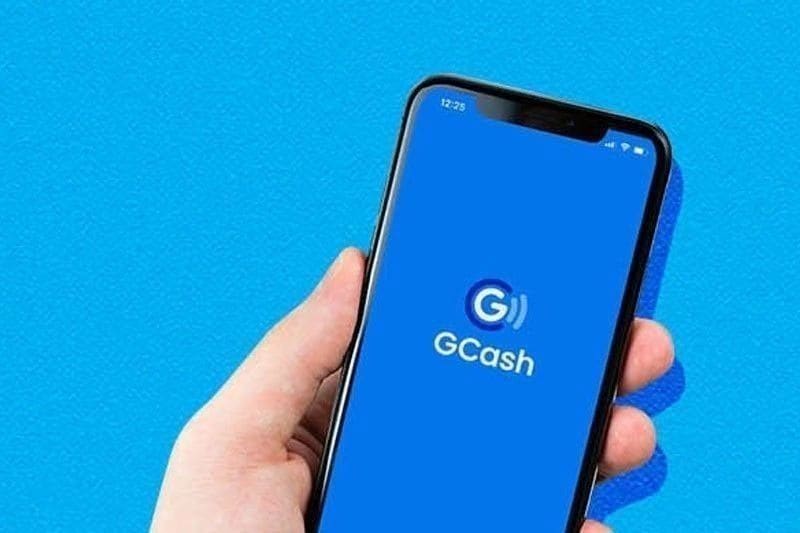
GCash IPO Could Turn Users Into Shareholders
The Philippine fintech giant's potential listing raises questions about retail participation in one of Southeast Asia's most widely used financial platforms.
KEY TAKEAWAYS
- ·GCash's anticipated IPO could enable millions of Filipino users to purchase equity in the mobile wallet platform they use for daily transactions.
- ·The listing arrives during a weak period for Philippine equities, with thin trading volumes and postponed offerings creating pressure for a successful debut.
- ·Retail allocation structure will determine whether the IPO translates financial inclusion from service access into actual ownership stakes for everyday users.
From Users to Owners
The anticipated GCash initial public offering has sparked debate in Manila's financial circles, but the conversation has largely centered on valuation multiples and pricing bands. The more significant question lies elsewhere: whether the listing will enable the platform's tens of millions of users to acquire equity stakes in the service they rely on daily.
GCash, operated by Mynt, processes transactions for a substantial portion of the Philippine population. The mobile wallet has become infrastructure for remittances, bill payments, and basic financial services across an archipelago of more than 7,600 islands. Unlike ride-hailing apps or food delivery platforms, payment services carry a different threshold for user confidence. A failed money transfer to family members creates consequences that delayed transportation does not.
That trust, built over years of operation, now forms the foundation for what could become one of the region's most significant fintech listings. The platform's reach extends to demographics historically excluded from formal banking systems, people without branch access or the documentation traditional institutions required.
Pricing and Market Context
Mynt has yet to finalize its offer price. Industry observers note that initial indicative maximums often shift during bookbuilding as institutional demand is tested. Recent Philippine IPOs, including Maynilad, Citicore Renewable Energy, and OceanaGold Philippines, all priced below their preliminary ceilings once investor appetite was gauged. The same pattern may emerge here.
The listing arrives during a challenging period for Philippine equities. Trading volumes have remained thin, and issuers have largely postponed public offerings while waiting for improved market sentiment. A successful GCash debut could shift that calculus, potentially rekindling interest in the local IPO pipeline.
Regional Implications
Southeast Asia's digital economy is projected to surpass $2 trillion in value by 2030, according to regional forecasts. Financial infrastructure sits at the center of that expansion. Earlier listings like Grab's SPAC merger and Sea Limited's Nasdaq debut established that the region could produce billion-dollar technology companies. GoTo's Jakarta listing signaled maturity in Indonesia's digital sector.
A strong GCash performance would add a different data point: proof that financial inclusion, historically funded by development banks and government programs, can generate venture-scale returns. The Philippines has often occupied a secondary position in Southeast Asian tech narratives, overshadowed by Singapore's regulatory sophistication or Indonesia's population scale. A fintech platform designed for Filipino market conditions, achieving significant valuation on public markets, would challenge those assumptions.
The FinTech Alliance Philippines, which represents organizations handling over 100 million aggregate users, views the listing as validation for the country's digital finance ecosystem. Industry figures suggest that successful public offerings influence not just capital allocation but founder ambition and ecosystem confidence.
Retail Participation
The structure of the offering will determine how accessible shares become to individual Filipino investors. IPO allocations typically favor institutional buyers, with retail tranches receiving smaller portions of total shares available. Whether Mynt opts for a structure that prioritizes broader retail distribution remains unclear.
If retail participation is substantial, the listing would introduce a new dimension to financial inclusion metrics. Development institutions and central banks measure inclusion through account penetration and transaction volumes. Ownership of equity in the platforms providing those services represents a separate category, one rarely available to the populations those platforms serve.
The mechanics matter. Primary shares fund company growth and expansion. Secondary shares provide liquidity to existing investors, often venture capital firms and strategic backers. The ratio between the two signals management's priorities and capital needs. Investors will also scrutinize profitability timelines, competitive dynamics with traditional banks and rival fintechs, and growth prospects as market penetration approaches saturation.
What Comes Next
Mynt has not disclosed a final timeline for the listing. Market conditions, regulatory approvals, and bookbuilding results will all influence the schedule. The Philippine Securities and Exchange Commission will review disclosure documents, and underwriters will conduct roadshows to gauge institutional interest across Asia and potentially in other regions.
For now, the platform continues operating as a private company, processing daily transactions for users who may soon have the option to become shareholders. Whether that option translates into meaningful retail ownership will depend on allocation decisions made during the offering process.
The outcome will be watched beyond Manila. Other Southeast Asian fintech companies considering public listings will study the reception GCash receives, the valuation metrics investors apply, and the role retail participation plays in the book. In a region where digital finance has grown faster than traditional banking infrastructure in many markets, the performance of a platform built for financial inclusion will provide useful signals about what investors value and what they will pay for.
RELATED STORIES

GCash Clears Regulatory Hurdle for Philippines' Largest-Ever IPO
Anand Sundaram · 3 min

GCash Chief Calls for Digital Tools That Help MSMEs Run Better Businesses
Mariel D. Santos · 3 min
GCash Parent Mynt Wins SEC Approval for $1.6 Billion Manila IPO
Tran Quoc Bao · 3 min

Manila Halts Approvals for Digital Payment Operators Pending Fraud Review
Jun-ho Seo · 4 min
Spot something wrong? Email editor@briefasia.com. We log every correction publicly.