Asia · Business
Indonesia Faces Critical Choice Between Resource Control and Industrial Growth
As Jakarta tightens grip on nickel revenues, the real question is whether the strategy will expand or constrain the sector's long-term potential
KEY TAKEAWAYS
- ·Indonesia plans to centralise strategic commodity exports through state entity Danantara Sumberdaya Indonesia, with nickel pig iron potentially included later, following 2026 mining quota cuts to 379 million tonnes.
- ·The government faces a choice between redistribution, which captures more resource rents today but risks deterring future investment, and upgrading, which builds industrial capabilities over time.
- ·Capital invested in midstream fabrication is estimated to support four to five times as many jobs as a single smelter, with spillovers into domestic suppliers and services.
The Pivot Toward State Control
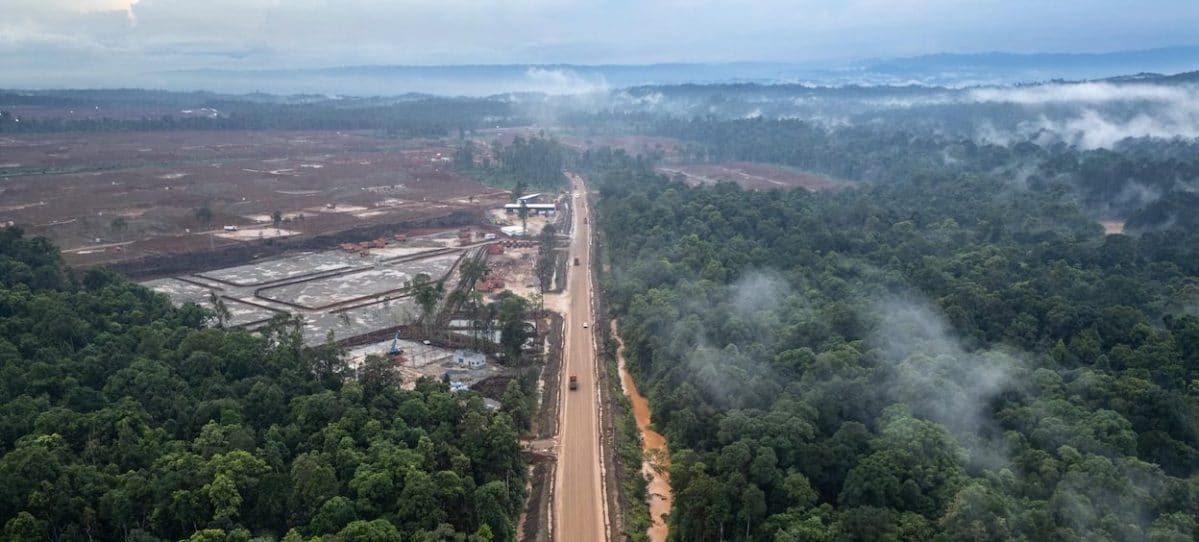
Indonesia controls the world's largest nickel reserves, and President Prabowo Subianto intends to extract more value from them. When he addressed Parliament in May 2026, Prabowo unveiled plans to centralise oversight of strategic commodity exports through Danantara Sumberdaya Indonesia, a state entity tasked with preventing under-invoicing and transfer pricing. Nickel pig iron, a lower-grade product that currently accounts for a significant share of exports, remains outside the policy for now but may be brought under state control later.
The move represents the latest escalation in Indonesia's resource nationalism. Since 2009, when Jakarta passed the Mineral and Coal Mining Law, the country has steadily tightened control over its mineral wealth. A ban on raw nickel exports took effect in 2014, was fully reimposed in 2020, and transformed Indonesia from a raw material supplier into the world's dominant nickel processing hub. Under Prabowo, the government has introduced stricter rules requiring resource earnings to remain in the domestic financial system, reverted to annual production approvals, and cut 2026 mining quotas to support commodity prices.
The strategic intent is clear: Indonesia wants to avoid the resource trap that has ensnared other commodity exporters, where raw materials leave the country and the high-margin processing happens elsewhere.
Two Paths, One Decision
The government now faces a choice between two distinct approaches. The first is redistribution: securing a larger share of existing resource rents. For a government managing fiscal pressures, this path offers immediate appeal. Higher revenues from current operations can fund social programmes, stabilise the economy, and signal that the state is reclaiming sovereignty over national wealth.
But redistribution carries risks. If Jakarta pushes too hard, investors may interpret policy as zero-sum, where the state's gain comes at their expense. Existing nickel-processing facilities, built on sunk capital, will likely continue operating. Future investment is another matter. When regulations, quotas, and feedstock access appear unpredictable, capital flows elsewhere.
Policy uncertainty is already visible. In early 2026, Indonesia slashed the year's nickel mining quota to 379 million tonnes, roughly a third below 2025 levels. By mid-year, reports suggested the government might restore quotas to 2025 levels, though officials later ruled out any broad increase. The mixed signals reflect a strategy still in flux.
The alternative is upgrading: using the nickel base not just to move up the value chain, but to build the industrial capabilities that anchor long-term competitiveness. This approach is harder to sell because the benefits take years to materialise, but the payoff is structural rather than transactional.
What Upgrading Requires
Decarbonisation is the starting point. Battery materials, cell manufacturing, and electric vehicles face increasing scrutiny over carbon footprints. Indonesia's nickel platform still relies heavily on captive coal, which could deter companies deciding where to locate downstream capacity. Transitioning to cleaner energy is essential if Indonesia wants to remain competitive in a decarbonising global market.
Beyond energy, upgrading demands midstream fabrication: tube mills, precision components, and the parts that turn processed metal into finished products. This segment remains underdeveloped in Indonesia. Sophisticated manufacturing requires a denser industrial ecosystem than mining and processing alone can provide. Qualified suppliers, engineering services, reliable logistics, energy infrastructure, quality control, and a trained workforce are all necessary.
The economic case is compelling. Capital invested in midstream fabrication is estimated to support four to five times as many jobs as the same capital directed into a single smelter. It also creates spillovers into the domestic value chain, including local suppliers and specialised services.
The Long Game
Industrial capabilities do not materialise with a single investment. They require patient policy and years of deliberate effort. Every new project creates demand for skills, suppliers, and infrastructure. The strategic opportunity lies in using that demand to help local suppliers meet higher technical standards, align workforce training with industrial needs, and build the specialised services that advanced manufacturing requires.
Once established, these capabilities can support industries far beyond nickel. That is the real prize: not a single factory, but the ecosystem in which future industries can grow. New industries need more than capital. They need skills, suppliers, infrastructure, and services.
Indonesia's resource wealth offers a rare opportunity to cultivate that ecosystem. The question is whether policy will prioritise capturing more from today's operations or building the platform for tomorrow's industries. The answer will determine whether Indonesia ends up with a bigger slice of a smaller pie, or a larger pie altogether.
RELATED STORIES
Indonesia Unveils Bid to Become Global Commodity Price-Setter
Priyanka V. Rao · 3 min
Indonesia's Wildfires Push Air Quality to World's Worst Levels
Siti Nuraini · 2 min
Indonesia's Record Current Account Deficit Threatens Rupiah Stability
Siti Nuraini · 3 min

Indonesia's Instant Noodle Consumption Falls for First Time in Five Years
Priyanka V. Rao · 3 min
Spot something wrong? Email editor@briefasia.com. We log every correction publicly.