Finance · Deals
SoftBank Prices ¥1 Trillion Retail Bond in Largest Offering Since 2020
The tech conglomerate's massive retail bond placement signals renewed appetite for corporate debt among Japanese individual investors
KEY TAKEAWAYS
- ·SoftBank Group priced a ¥1 trillion retail bond offering Friday, one of the largest placements targeting individual investors in Japan since 2020.
- ·The successful deal signals renewed appetite for corporate debt among Japanese households seeking yield as interest rates normalize and bank deposits offer minimal returns.
- ·Market participants expect the offering to encourage other large Japanese corporations to explore retail bond issuance, potentially expanding the retail debt market in coming quarters.
Record-Breaking Placement
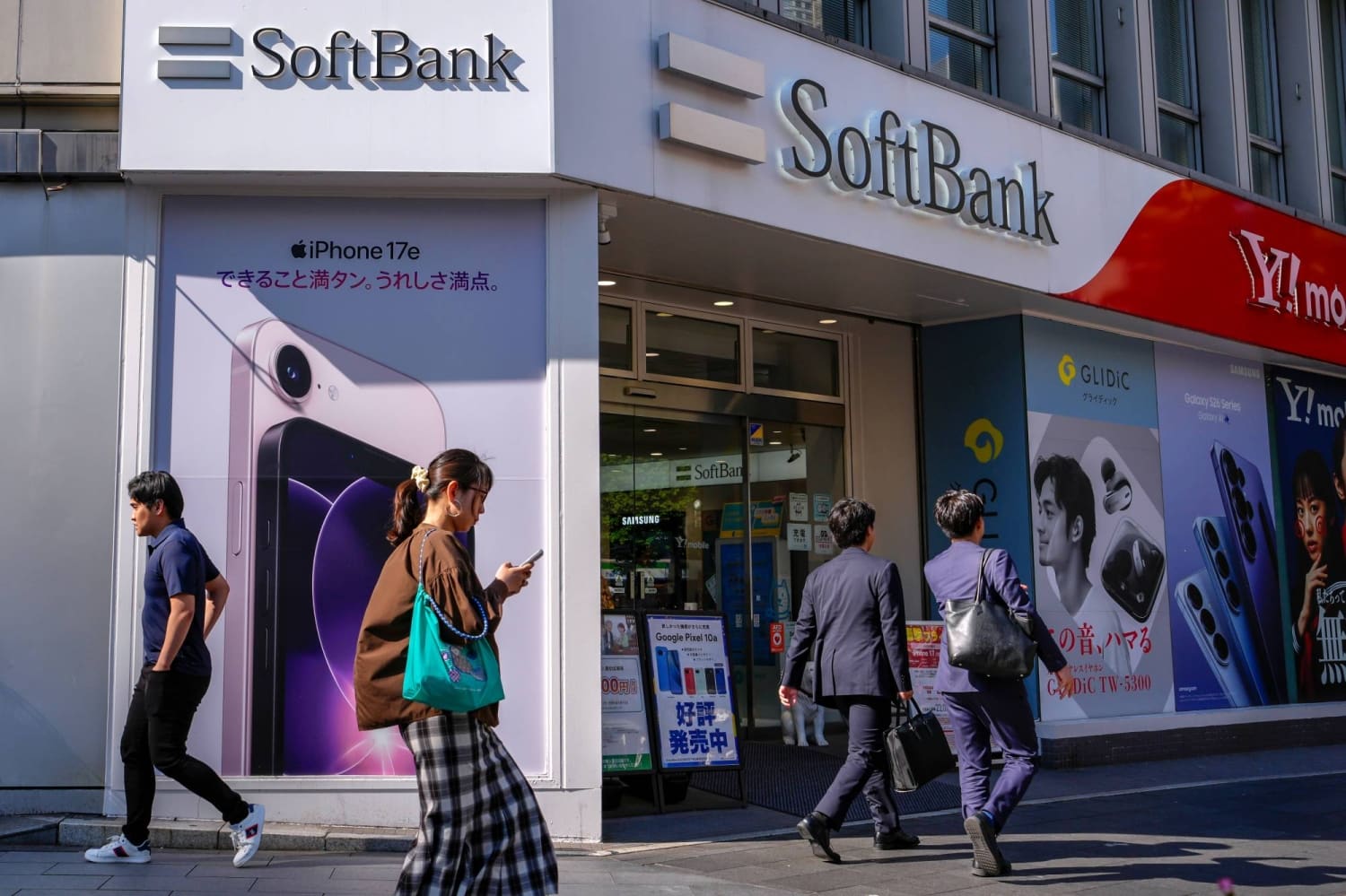
SoftBank Group completed pricing on a ¥1 trillion retail bond offering Friday, marking one of the largest debt placements targeted at individual investors in Japan's recent market history. The deal represents a significant test of retail appetite for corporate bonds after years of muted issuance activity.
The offering size places it among the largest retail bond deals in Japan since 2020, when pandemic-era uncertainty drove individual investors toward higher-yielding corporate debt alternatives. SoftBank's ability to place the full ¥1 trillion underscores continued demand from Japanese households sitting on substantial cash savings.
Japan's retail bond market has seen sporadic activity in recent years, with most corporate issuers favoring institutional placements or bank financing. The success of SoftBank's offering may signal a shift in corporate funding strategies as companies seek to diversify their investor base and tap into Japan's ¥2,000 trillion household savings pool.
Timing and Market Conditions
The placement comes as Japanese interest rates remain in positive territory following the Bank of Japan's gradual normalization of monetary policy. This environment has made fixed-income products more attractive to individual investors who spent years navigating near-zero or negative yields on traditional savings instruments.
SoftBank's retail bond offering also arrives at a moment when the company has been working to stabilize its balance sheet following significant portfolio losses in 2022 and 2023. The conglomerate has divested stakes in several technology holdings and curtailed new Vision Fund investments, prioritizing debt reduction and financial flexibility.
Retail bonds typically carry higher coupons than institutional debt to compensate for lower liquidity and attract individual buyers. The pricing details of SoftBank's offering were not disclosed, but market participants expect the yield to reflect both the company's credit profile and the competitive landscape for household savings.
Implications for Japan's Debt Market
The successful placement may encourage other Japanese corporations to explore retail bond issuance as a funding channel. Historically, retail bonds have been issued by a narrow group of well-known companies with strong brand recognition among individual investors - utilities, telecommunications firms, and major manufacturers.
SoftBank's name recognition and founder Masayoshi Son's public profile likely contributed to the offering's appeal. However, the deal's size suggests broader structural factors at play: Japanese households are seeking yield in an environment where bank deposits offer minimal returns, and demographic trends are pushing retirees toward income-generating assets.
Securities firms that distributed the bonds stand to benefit from increased retail engagement. Nomura, Daiwa, and other brokerages have been building digital platforms to facilitate bond purchases by individual investors, aiming to capture a larger share of household assets as Japan's aging population shifts from accumulation to income mode.
What Comes Next
Market observers will watch whether SoftBank's offering opens the door for a wave of retail bond issuance in the coming quarters. If other large corporates follow suit, Japan's retail debt market could see a meaningful expansion, providing households with more investment options and companies with an additional source of stable, long-term funding.
The deal also sets a benchmark for pricing and structure in future retail offerings. Companies with weaker credit profiles or less brand recognition may find it challenging to replicate SoftBank's success, but the overall market dynamic appears to favor increased retail participation in corporate debt.
For SoftBank, the ¥1 trillion injection provides additional liquidity to manage its existing debt maturities and maintain financial flexibility as it navigates ongoing portfolio adjustments. The company's ability to access retail capital at scale demonstrates the enduring appeal of its brand among Japanese investors, even after years of volatile performance in its technology bets.
RELATED STORIES
SoftBank Pursues Record $6.3 Billion Retail Bond Offering in Japan
Cheng Wei-Lun · 3 min

Bank of Japan Eyes Rate Increase as Inflation Risks Mount
Cheng Wei-Lun · 4 min

Tokyo Startup IPOs Reach Record Market Cap in 2026
Cheng Wei-Lun · 3 min
Japan's 10-Year Bond Yield Breaches 3% for First Time Since 1996
Aiko Nakamura · 4 min
Spot something wrong? Email editor@briefasia.com. We log every correction publicly.