Finance · Markets
Bank of Japan Eyes Rate Increase as Inflation Risks Mount
Governor Kazuo Ueda signals strong possibility of September hike amid US Treasury pressure and hawkish board member calls for nimble action
KEY TAKEAWAYS
- ·Bank of Japan Governor Kazuo Ueda indicated the central bank will debate a rate increase at its September 17-18 meeting, focusing on whether inflation risks are intensifying.
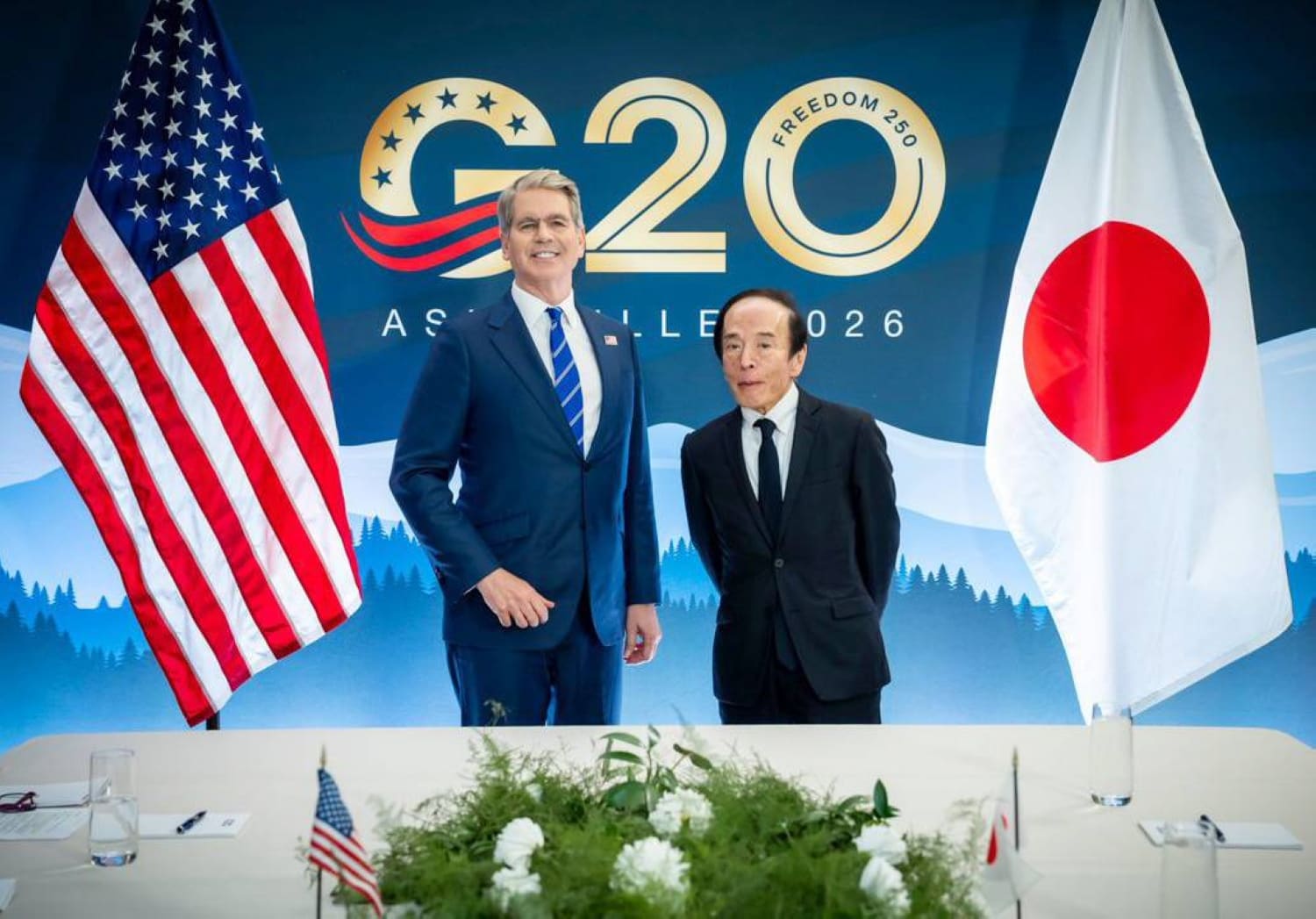
- ·US Treasury Secretary Scott Bessent met with Ueda on August 30 and called for decisive monetary action to address yen weakness, adding external pressure for a hike.
- ·Two-year Japanese government bond yields reached 1.830 percent on September 2, the highest since 1995, as hawkish BOJ board member Hajime Takata urged nimble rate increases.
September Decision Looms
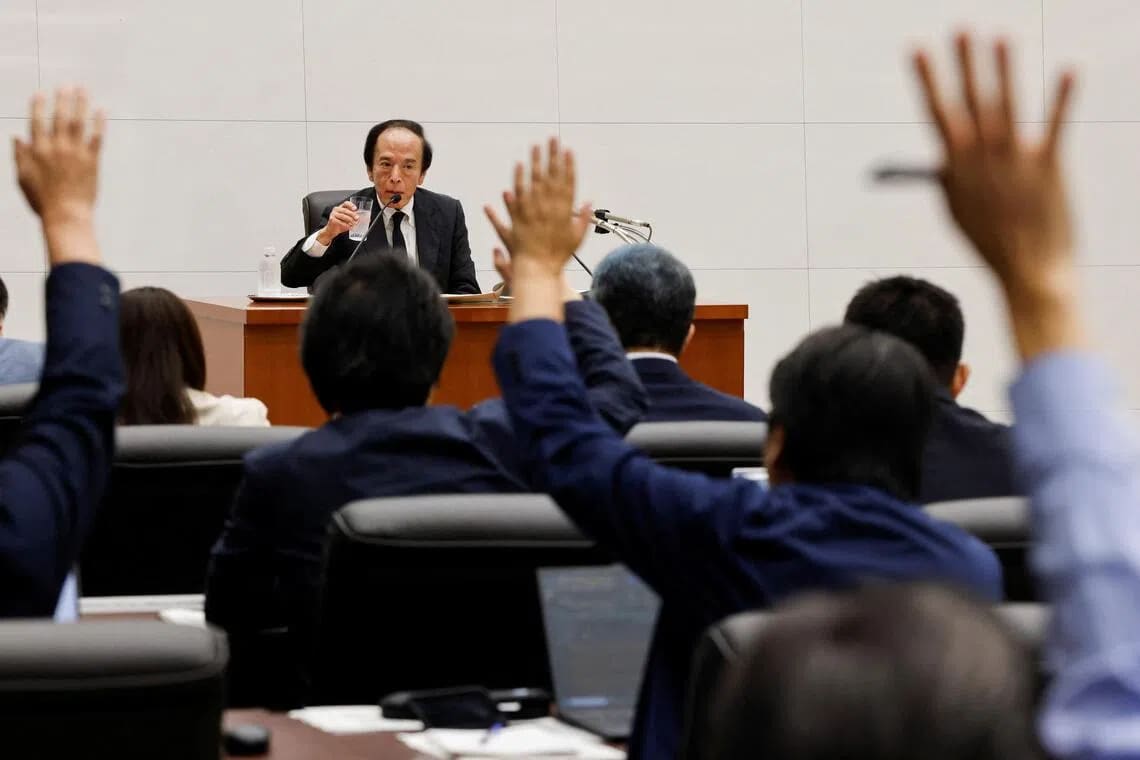
The Bank of Japan will weigh a potential rate increase at its upcoming September meeting, with Governor Kazuo Ueda pointing to heightened inflation risks as the central consideration. Speaking after the G-20 finance leaders' gathering in Asheville, North Carolina, on September 1, Ueda laid out the framework for the central bank's decision-making process ahead of its September 17-18 policy meeting.
Ueda emphasized that the board would examine whether economic conditions continue to align with the BOJ's July quarterly outlook and whether upside risks to prices have grown. Both factors serve as prerequisites for additional rate increases, according to the governor. The central bank has raised rates five times since beginning its normalization cycle, bringing the policy rate to 1 percent in June, the highest level in 31 years.
"We hope to continue raising interest rates as financial conditions remain accommodative," Ueda said. "On the other hand, we've raised rates five times so far, so we need to carefully assess the cumulative impact on the economy."
The comments represent Ueda's final public remarks before the pre-meeting blackout period, giving markets a clear signal that a September move remains on the table.
US Treasury Weighs In
External pressure for tighter monetary policy has intensified. The US Treasury Department confirmed that Treasury Secretary Scott Bessent met with Ueda on August 30, urging "decisive" monetary steps to address the yen's weakness. The currency has been under strain for months, with the BOJ's accommodative stance standing in sharp contrast to tightening cycles elsewhere in developed markets.
Bessent's intervention adds a diplomatic dimension to the rate debate, underscoring Washington's concern about currency stability and its potential ripple effects across Asia-Pacific trade flows. While Ueda confirmed the meeting took place, he declined to discuss specifics of the conversation.
The yen's depreciation has become a double-edged sword for Japanese policymakers. While it supports export competitiveness, it also drives up import costs, feeding into domestic inflation and complicating the BOJ's efforts to keep price growth stable near its 2 percent target.
Hawkish Voices Gain Volume
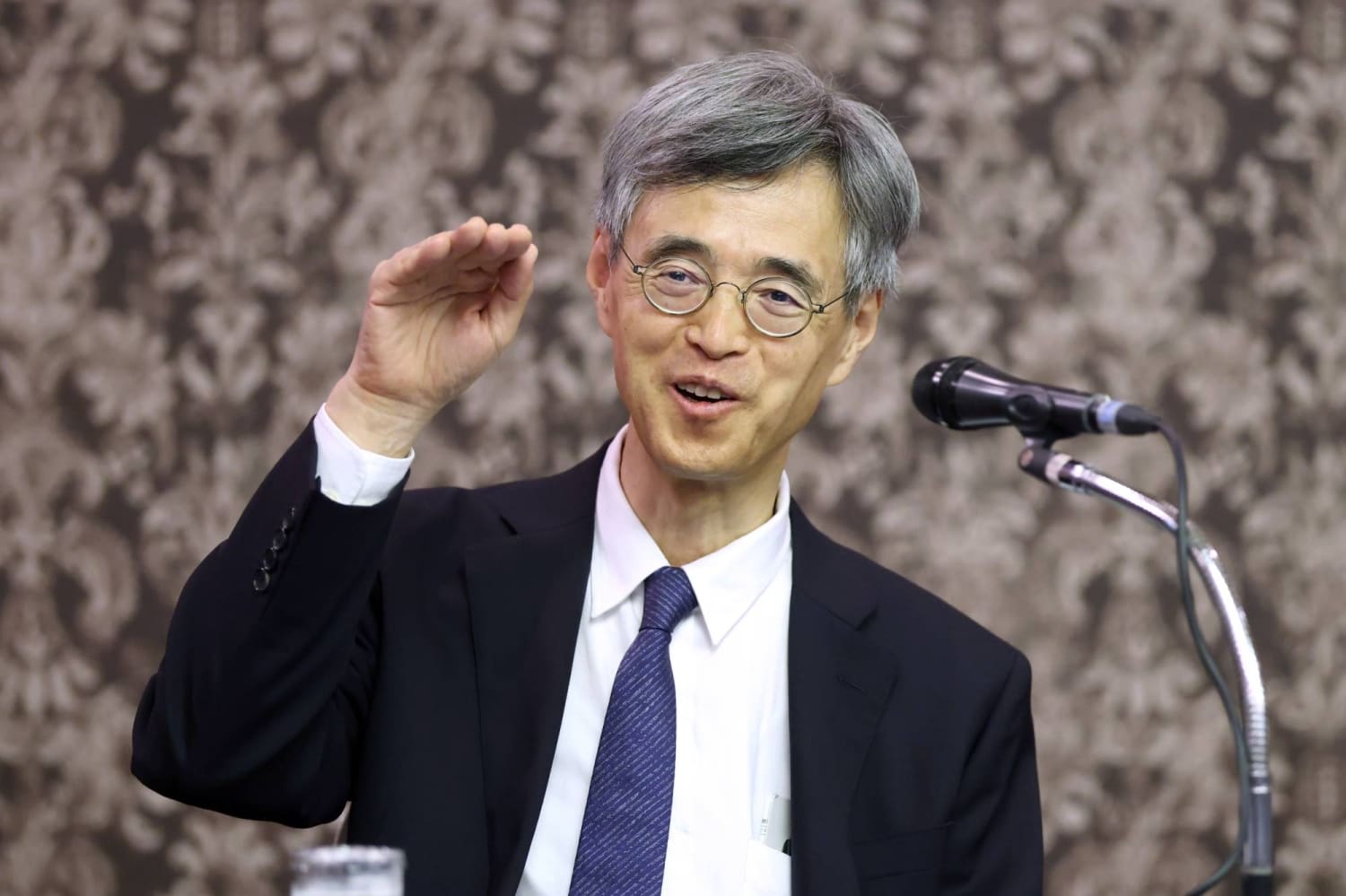
Beyond the governor's measured tone, a more assertive stance emerged from within the BOJ's policy board. Hajime Takata, a hawkish member, argued in a separate speech in northern Japan that the central bank should respond nimbly to inflationary pressures rather than adhering to a fixed schedule of semi-annual adjustments. Takata warned that delaying action could allow inflation to overshoot the target, forcing more aggressive tightening later.
His comments resonated in bond markets. The yield on two-year Japanese government bonds, the maturity most sensitive to monetary policy expectations, climbed to 1.830 percent on September 2, the highest level since 1995. The 10-year JGB yield crossed 3 percent for the first time since 1996, reflecting both global bond-market turbulence and rising expectations of domestic rate increases.
Ueda acknowledged the yield surge but attributed much of it to global factors, including inflation concerns and sell-offs in sovereign debt markets worldwide. Still, he stressed that the BOJ would remain vigilant to market developments.
Inflationary Pressures Build
Underlying inflation in Japan is now running close to the BOJ's 2 percent target, a threshold the central bank has long sought to achieve on a sustained basis. Ueda identified several upside risks that could push prices higher: geopolitical tensions in the Middle East, robust demand tied to artificial intelligence infrastructure, and the inflationary impact of a weaker yen.
Recent data suggest that economic and price conditions are moving roughly in line with the BOJ's July projections, Ueda said, adding that the central bank's basic policy approach remains unchanged. However, the proximity of inflation to target means the board must now pay particular attention to factors that could drive prices above expectations.
"We will scrutinise whether the economy and prices are moving in line with our baseline scenario, as well as risks," Ueda said. "We will debate these factors thoroughly, including at our next policy meeting."
Market pricing now reflects near certainty of a September rate hike, a shift driven by both Ueda's remarks and Bessent's repeated calls for action. The BOJ kept rates steady in July but signaled a strong likelihood of a near-term increase, citing mounting price pressures from the Middle East conflict and currency weakness.
Asia's Policy Divergence
The BOJ's deliberations come as central banks across Asia navigate divergent paths. While Japan edges toward further tightening, other regional economies face different trade-offs. The BOJ's 31-year high rate, though modest by global standards, marks a significant shift for an economy long defined by ultra-loose monetary policy and deflationary pressures.
For Tokyo, the challenge is to normalize policy without disrupting a fragile recovery or triggering financial instability. The cumulative effect of five rate increases is still working through the economy, and policymakers are wary of moving too quickly. At the same time, inflation risks and external pressure create a compelling case for continued action.
The September meeting will test whether the BOJ can balance these competing demands. With Ueda's remarks setting the stage and market expectations running high, the central bank faces a narrow window to act without surprising investors or undermining its credibility.
RELATED STORIES

Japan's Core Inflation Picks Up in July, Setting Stage for September Rate Move
Aiko Nakamura · 2 min
Bank of Japan Signals Possible Rate Increase This Month
Aiko Nakamura · 3 min
Bank of Japan Signals Possible Rate Move in September
Aiko Nakamura · 3 min
Japan's 10-Year Bond Yield Breaches 3% for First Time Since 1996
Aiko Nakamura · 4 min
Spot something wrong? Email editor@briefasia.com. We log every correction publicly.