Finance · Markets
Bank of Japan Signals Possible Rate Increase This Month
Governor Ueda's remarks fuel market speculation that the central bank may tighten policy as early as September amid rising inflation pressures
KEY TAKEAWAYS
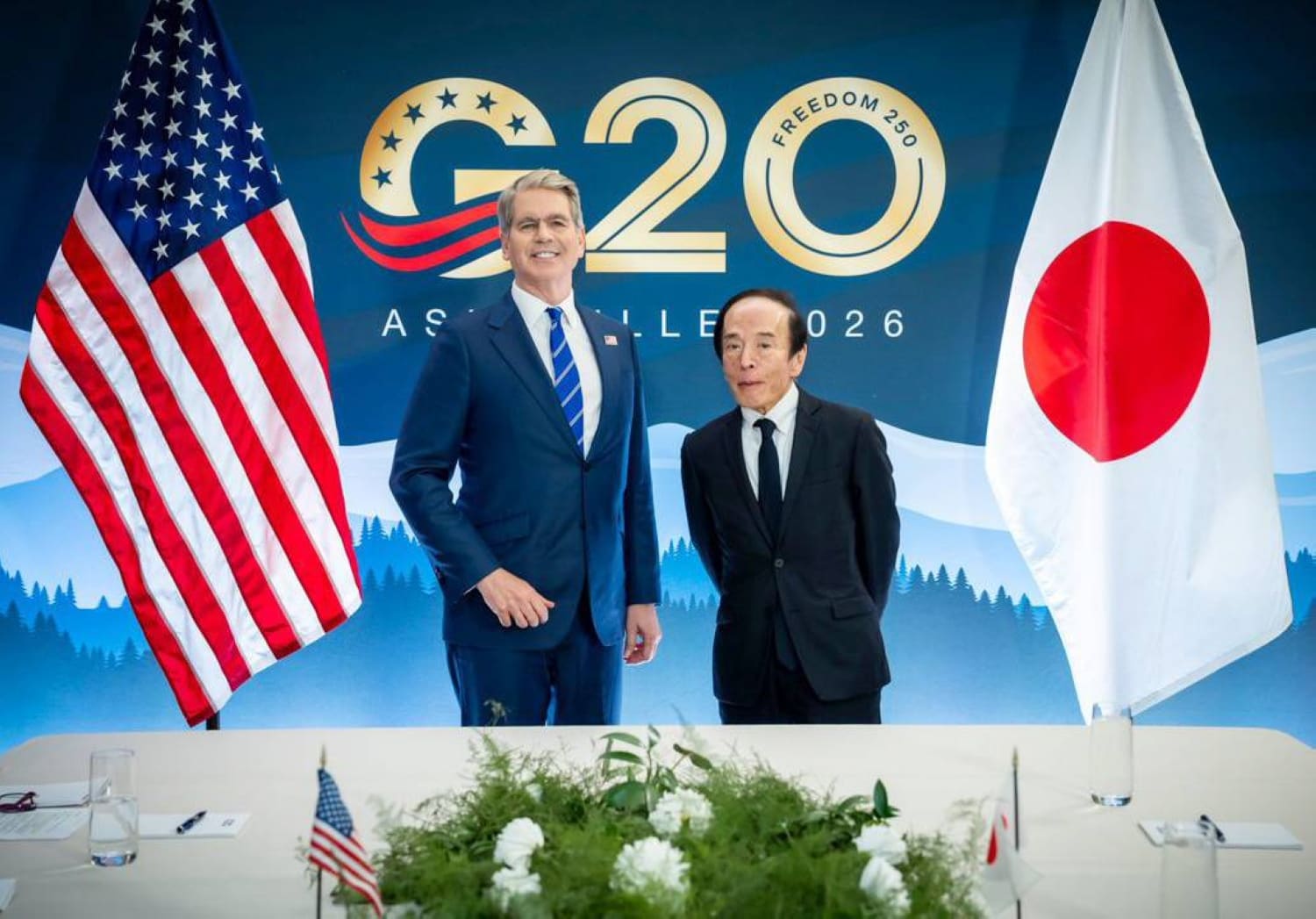
- ·Bank of Japan Governor Kazuo Ueda indicated the central bank may raise interest rates in September following remarks at the G-20 meeting in North Carolina.
- ·Japan's inflation has remained above the 2 percent target for consecutive months, driven by energy costs and a weaker yen pushing up import prices.
- ·A BOJ rate hike would affect Asian currencies and export competitiveness, particularly in electronics and automotive sectors where Japanese firms compete regionally.
Central Bank Turns Hawkish
Bank of Japan Governor Kazuo Ueda suggested the central bank may increase interest rates as soon as this month, marking a potential shift in monetary policy after an extended period of ultra-loose conditions. His comments, delivered on the sidelines of the Group of 20 finance ministers' and central bankers' meeting in Asheville, North Carolina, have amplified market bets on imminent tightening.
The remarks represent the clearest signal yet that Japan's central bank is preparing to act on rising inflation pressures. Ueda met with U.S. Treasury Secretary Scott Bessent during the G-20 gathering on Tuesday, where currency stability and monetary policy coordination dominated discussions among major economies.
Market participants have been watching the BOJ closely after months of speculation about when the institution would abandon its accommodative stance. Inflation in Japan has remained above the central bank's 2 percent target for consecutive months, driven by higher energy costs and a weaker yen that has pushed up import prices across consumer goods and industrial inputs.
Policy Crossroads
The timing of Ueda's comments is significant. Japan's economy has shown signs of moderate expansion, with wage growth finally picking up after decades of stagnation. Spring wage negotiations this year delivered the largest increases in over three decades, giving the BOJ room to consider policy normalization without derailing economic recovery.
A September rate hike would follow the BOJ's previous adjustment in March, when it ended negative interest rates after eight years. That move was widely interpreted as a cautious first step toward policy normalization, but the central bank had signaled it would proceed gradually to avoid disrupting financial markets or undermining fragile economic momentum.
Financial institutions across Tokyo have been preparing for higher borrowing costs. Major banks have already begun adjusting lending rates in anticipation of policy changes, while bond traders have repositioned portfolios to account for potential yield curve adjustments. The 10-year Japanese government bond yield has crept higher in recent weeks, reflecting market expectations of tighter monetary conditions ahead.
Regional Implications
A rate increase by the BOJ would carry implications beyond Japan's borders. Asian currencies have been under pressure as the U.S. Federal Reserve maintains elevated rates, creating capital flow dynamics that favor the dollar. A stronger yen resulting from higher Japanese rates could ease some of that pressure, potentially providing relief to other regional central banks grappling with currency depreciation.
Exporters in South Korea, Taiwan, and Southeast Asia are monitoring developments closely. A significant yen appreciation would affect competitive dynamics in electronics, automotive, and machinery sectors where Japanese manufacturers compete directly with regional rivals. Companies across Asia have already adjusted pricing strategies and hedging positions in response to volatile currency swings this year.
The BOJ's policy trajectory also matters for regional investors who have poured capital into Japanese equities over the past year. Foreign holdings of Japanese stocks reached record levels as investors bet on corporate governance reforms and improved shareholder returns. Higher interest rates could dampen some of that enthusiasm if they weigh on economic growth or corporate earnings, though much depends on the pace and magnitude of any tightening cycle.
What Comes Next
The central bank's policy board is scheduled to meet later this month, and markets will scrutinize every statement and economic projection for clues about the timing and scale of any rate adjustment. Ueda has emphasized data dependency in previous communications, suggesting the decision will hinge on incoming figures for inflation, wage growth, and consumption patterns.
Business sentiment surveys and household spending data due before the meeting will be critical inputs. If those indicators confirm sustained economic momentum, the case for a rate hike strengthens. Conversely, any signs of weakening demand could prompt the BOJ to delay action and maintain its wait-and-see approach for another quarter.
Currency markets remain a wild card. The yen has weakened considerably over the past two years, prompting concern from policymakers about the inflationary impact of import costs. Finance Minister Shunichi Katayama has repeatedly stated that authorities stand ready to intervene in foreign exchange markets if volatility becomes excessive, adding another layer of complexity to the BOJ's deliberations.
For investors and businesses across Asia, the next few weeks will clarify whether Japan's monetary policy era is truly ending or whether caution will prevail once again.
RELATED STORIES

Bank of Japan Signals Possible Rate Move in September
Aiko Nakamura · 3 min

Japan's Core Inflation Picks Up in July, Setting Stage for September Rate Move
Aiko Nakamura · 2 min
Bank of Japan Schedules July 2027 Meeting to Keep Rate Hike Window Open
Aiko Nakamura · 3 min
Japan Deploys $96.5 Billion in Currency Intervention to Halt Yen's Slide
Aiko Nakamura · 3 min
Spot something wrong? Email editor@briefasia.com. We log every correction publicly.