Finance · Deals
China Approves $6.84 Billion in New Overseas Investment Quotas
Beijing expands QDII allocations to mutual funds, insurers, and wealth managers as mainland investors seek global diversification
KEY TAKEAWAYS
- ·China's foreign-exchange regulator approved $6.84 billion in QDII quotas by end-August for mutual funds, insurers, and bank wealth units.
- ·The allocation expands the program by roughly 4 percent, addressing supply shortages in cross-border investment products as investors seek global diversification.
- ·Mutual-fund managers received approximately $4.2 billion, with plans to launch or reopen offshore equity and bond funds in the fourth quarter.
Fresh Capital Outflow Channels Open
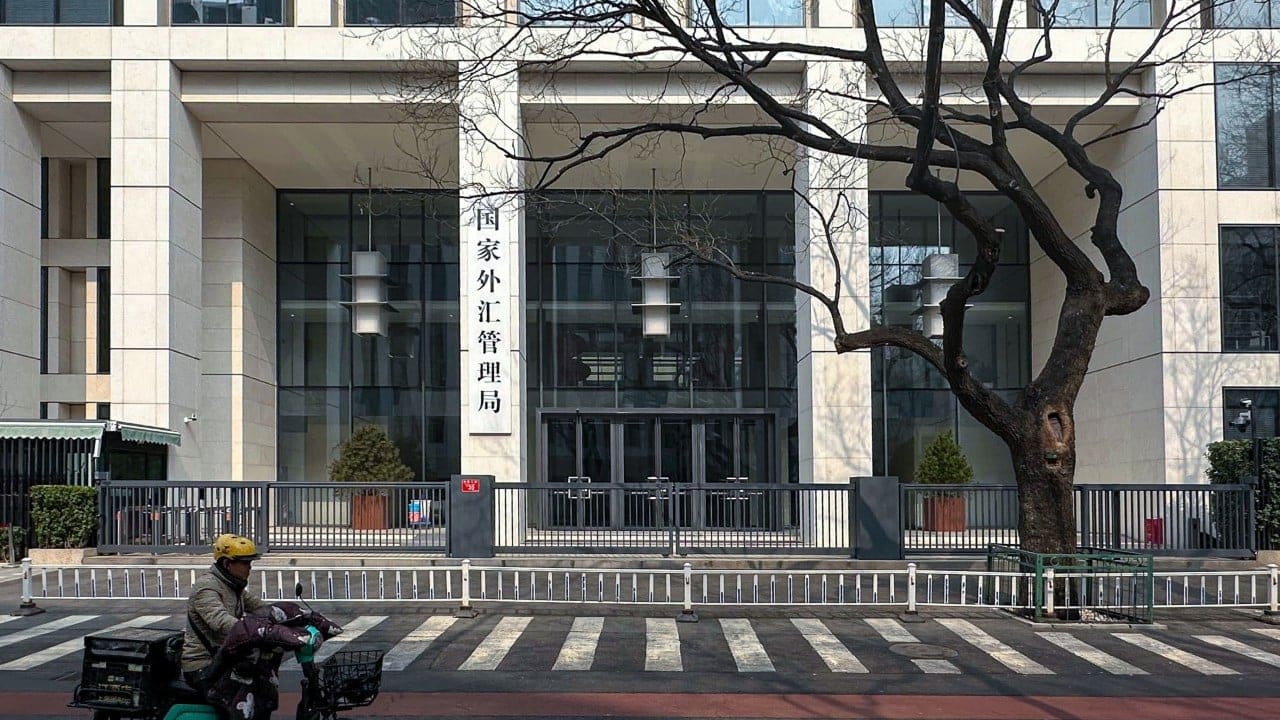
China's foreign-exchange regulator approved $6.84 billion in qualified domestic institutional investor (QDII) quotas by the end of August, according to official data. The allocations went to mutual-fund firms, insurance companies, and bank wealth-management units, expanding channels for mainland investors to access overseas securities.
The move addresses supply shortages in cross-border investment products, analysts said. Demand has grown as Chinese investors seek diversification beyond domestic equity and fixed-income markets. The new quotas enable financial institutions to launch or expand products that invest in US stocks, global bonds, and other offshore assets.
QDII System Context
The QDII program, launched in 2006, allows approved mainland institutions to invest client funds in foreign securities. Beijing controls total quota volume to manage capital outflows and currency stability. The State Administration of Foreign Exchange (SAFE) reviews applications and grants allocations based on macroeconomic conditions and foreign-exchange reserves.
Total QDII quota outstanding now exceeds $170 billion across hundreds of licensed institutions. The latest batch represents a roughly 4 percent expansion of the program. Mutual-fund companies received the largest share of the August approvals, followed by insurers and bank wealth units.
Allocation Breakdown
Mutual-fund managers secured approximately $4.2 billion of the new quotas, enabling them to scale existing offshore equity and bond funds or introduce new strategies. Insurance firms obtained around $1.8 billion, supporting their need for long-duration foreign assets to match policyholder liabilities. Bank wealth-management subsidiaries, a newer category of QDII participant, received the remainder.
The distribution reflects institutional demand patterns. Mutual funds face persistent investor appetite for US technology stocks and developed-market exposure. Insurers require stable foreign-currency income streams. Bank wealth units, established after 2019 regulatory reforms, are building out their offshore product shelves to compete with fund houses.
Market Implications
The quota expansion arrives as mainland equity markets show uneven performance. Selective sector strength has not offset broader valuation concerns, pushing retail and institutional investors to look offshore. US equities, despite their own volatility, remain attractive for diversification. European and Asian markets outside China also draw interest.
Product availability has been a bottleneck. Many existing QDII funds suspended subscriptions in recent quarters after hitting quota limits. The new allocations should allow managers to reopen these products and meet pent-up demand. Industry participants expect a wave of fund launches in the fourth quarter targeting global equity, commodity, and real-estate investment trust (REIT) exposure.
Regulatory Balancing Act
SAFE's quota grants signal measured liberalization. Beijing continues to prioritize capital-account stability, but recognizes that controlled outflows can support portfolio diversification and reduce domestic asset-price pressure. The regulator has maintained a cautious pace, granting quotas in batches rather than eliminating the system entirely.
Currency considerations also factor in. The renminbi has traded in a managed range this year, with SAFE intervening periodically to smooth volatility. Allowing incremental outbound investment helps absorb excess domestic liquidity without triggering sharp depreciation. The quota mechanism gives authorities a lever to adjust flows as conditions change.
Industry Response
Financial institutions welcomed the approvals. Several large mutual-fund houses confirmed plans to launch global equity funds before year-end. Insurers indicated they would deploy the quotas into US Treasuries and investment-grade corporate bonds to lock in yields. Bank wealth units are designing multi-asset products that blend offshore and onshore exposure.
Investor education remains a priority. Offshore markets carry currency risk, regulatory differences, and unfamiliar volatility patterns. Institutions are ramping up client communication to ensure suitability and manage expectations. The quota expansion provides the infrastructure; successful product adoption depends on investor readiness and market conditions.
Outlook
Analysts expect Beijing to continue gradual QDII quota increases, aligning with broader capital-market opening initiatives. The pace will depend on foreign-exchange reserve levels, cross-border flow balance, and domestic financial stability. For now, the $6.84 billion allocation offers meaningful relief to supply-constrained institutions and expands choice for mainland investors seeking global exposure.
The August approvals underscore China's pragmatic approach to capital-account management: controlled liberalization that serves diversification goals without compromising macroeconomic levers. As offshore investment becomes a larger component of household and institutional portfolios, the QDII framework will remain a critical policy tool.
RELATED STORIES

Guotai Haitong Asset Arm Fined $7.8 Million Over Offshore Capital Breaches
Cheng Wei-Lun · 3 min

Shein Drops 4% in Hong Kong Debut as Tariff Pressure Weighs on Valuation
Priyanka V. Rao · 4 min
Chinese Firms Lean on Global Banks to Navigate US Trade Friction
Cheng Wei-Lun · 3 min
China Bond Yields Slide as US Treasuries Face Hawkish Fed Pressure
Cheng Wei-Lun · 3 min
Spot something wrong? Email editor@briefasia.com. We log every correction publicly.