Finance · Banking
Chinese Firms Lean on Global Banks to Navigate US Trade Friction
Citi reports steady corridor revenue as mainland companies deploy hedging strategies to preserve market access amid escalating bilateral tensions
KEY TAKEAWAYS
- ·Citi reports steady revenue growth on its North America-China corridor as mainland firms use hedging to manage trade friction and currency risk.
- ·Chinese companies are deploying forward contracts and structured products to stabilize cash flows rather than retreating from the US market.
- ·Banks with dual-market presence are benefiting from demand for integrated treasury, trade finance, and supply-chain restructuring services.
Cross-Border Banking Holds Steady
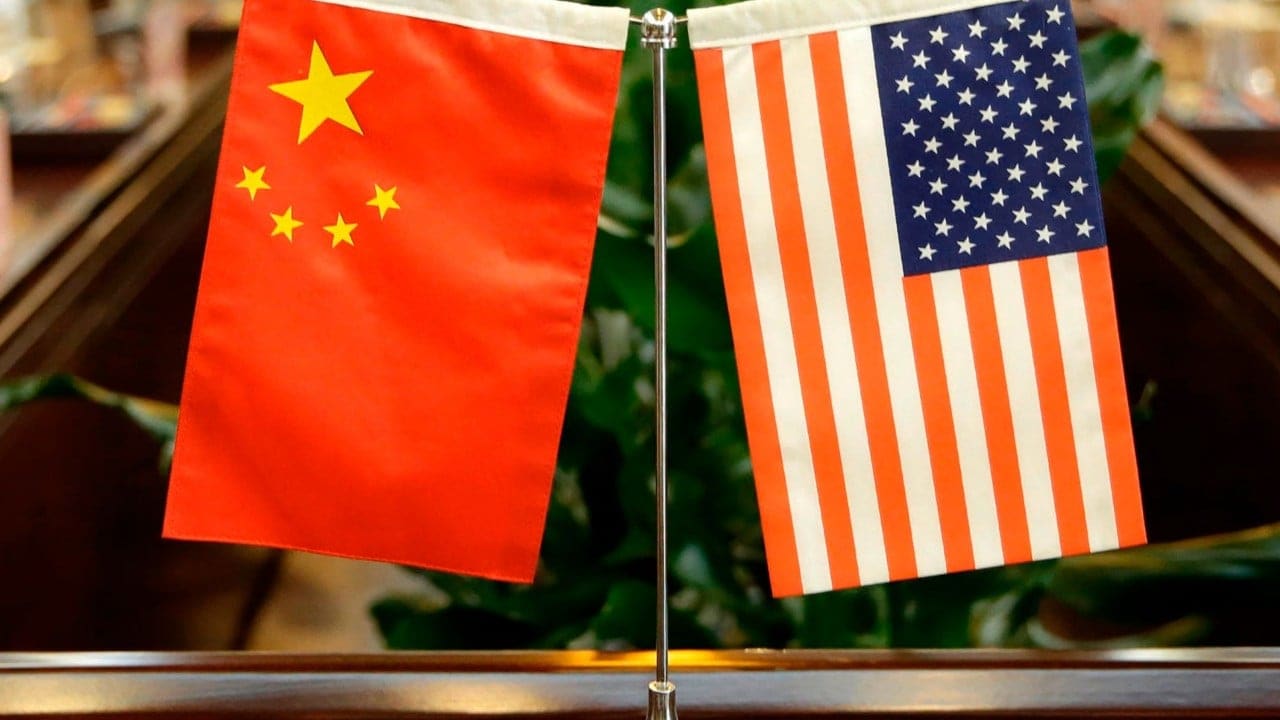
Escalating bilateral tensions have not translated into a slowdown in corporate banking between the United States and China. Citi disclosed steady revenue growth on its North America-China corridor, driven by mainland companies deploying sophisticated hedging strategies to safeguard their global footprint. Rather than pulling back from the US market, Chinese firms are intensifying their reliance on international financial institutions to manage currency exposure, supply-chain complexity, and regulatory uncertainty.
Greater China executives at the bank confirmed that demand for cross-border services has remained robust despite the political environment. Companies are seeking tools to lock in exchange rates, structure trade finance, and mitigate the impact of tariff adjustments. The activity reflects a strategic pivot: mainland exporters and multinationals are treating financial engineering as a buffer against policy volatility rather than retreating from established markets.
Hedging Takes Center Stage
Risk management has become a priority for Chinese corporates operating in or exporting to the United States. Firms are using forward contracts, options, and structured products to stabilize cash flows and protect margins. These instruments allow companies to set predictable costs for inputs priced in dollars and to shield revenue streams from sudden currency swings or trade-policy shifts.
The hedging activity spans sectors. Manufacturers exporting electronics, machinery, and consumer goods are layering in currency protection. Technology firms with US revenue streams are securing dollar liquidity. Even companies that have diversified supply chains to Southeast Asia or Mexico continue to manage exposures tied to dollar-denominated transactions.
Banks with deep presence in both markets have benefited from the trend. Citi, with long-standing operations in China and a dominant US franchise, is positioned to offer integrated treasury and trade solutions. The corridor business has proven resilient, with transaction volumes holding firm even as geopolitical rhetoric intensifies.
Supply-Chain Finance Adapts
Complex supply chains have created additional demand for financial intermediation. As companies relocate production or add suppliers in third countries, they face new financing and settlement challenges. Banks are structuring facilities that bridge multiple jurisdictions, currencies, and regulatory regimes.
Chinese firms moving assembly operations to Vietnam or Thailand still rely on components sourced from the mainland and often sell finished goods into the US market. This triangular flow requires coordination across payment systems, letters of credit, and working-capital lines. Financial institutions that can connect these dots are seeing sustained deal flow.
Trade finance has also evolved to accommodate longer lead times and higher compliance costs. Enhanced due diligence, export-control screening, and sanctions checks have become standard. Banks are investing in technology and legal expertise to help clients navigate the thicket of regulations without interrupting operations.
Corporate Strategy Shifts
The data suggests that Chinese companies are treating the US market as too large to abandon. Rather than disengaging, they are adjusting how they operate. Some have established subsidiaries in third countries to serve as intermediaries. Others are partnering with local distributors or contract manufacturers to maintain market presence while reducing direct exposure.
Financial institutions are facilitating these structural changes. They provide the capital, foreign-exchange management, and cross-border payment rails that make new operating models viable. The role of banks has expanded from simple transaction processing to strategic advisory, helping clients redesign their financial architecture for a more fragmented world.
Citi's steady corridor performance underscores a broader pattern: trade and investment flows between the United States and China have proven more resilient than headlines suggest. While policy uncertainty has increased costs and complexity, it has not severed the commercial ties that underpin the relationship. Companies are adapting, and financial intermediaries are profiting from the adaptation.
Outlook for Cross-Border Banking
The outlook for US-China financial corridors depends on the trajectory of trade policy and the willingness of corporates to absorb higher hedging costs. If tariffs and restrictions remain in place but stable, companies will continue to invest in risk-management infrastructure. If volatility spikes, demand for hedging and restructuring services could accelerate further.
Banks with the scale and regulatory standing to operate in both jurisdictions hold a structural advantage. Smaller institutions and local players lack the capital and compliance capacity to manage the full spectrum of cross-border risks. Consolidation of corridor business among a handful of global banks is likely to continue.
For now, the message from Citi and its peers is clear: Chinese firms are not walking away from the US market. They are paying more to stay in it, and they are turning to global banks to manage the cost.
RELATED STORIES
China Bond Yields Slide as US Treasuries Face Hawkish Fed Pressure
Cheng Wei-Lun · 3 min

Hong Kong Wealth Hub Resilient Despite Beijing Investment Restrictions
Cheng Wei-Lun · 3 min
Asia-Pacific Institutions Turn to Foreign-Issued Bonds for Higher Yields
Cheng Wei-Lun · 3 min

Global Traders Turn to Perpetual Futures for China Tech Access
Cheng Wei-Lun · 3 min
Spot something wrong? Email editor@briefasia.com. We log every correction publicly.