Asia · Business
China Shifts Pharma Strategy From Manufacturing to Drug Ownership
Two recent developments in Jiangsu province signal Beijing's push beyond contract production toward controlling intellectual property in the pharmaceutical sector
KEY TAKEAWAYS
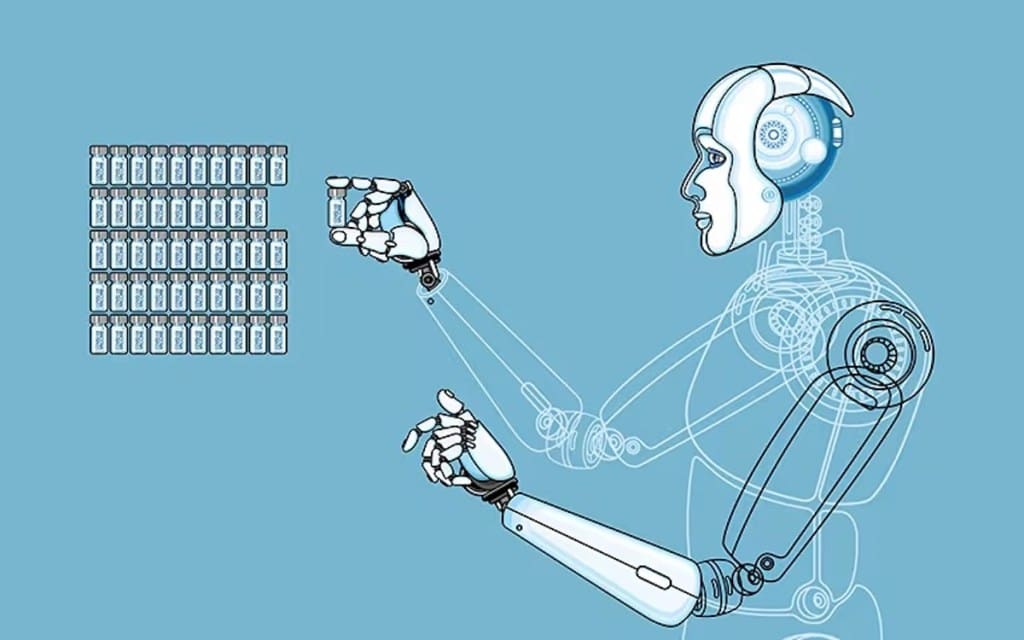
- ·Jiangsu province has introduced policy incentives to shift China's pharmaceutical sector from contract manufacturing toward drug discovery and intellectual property ownership.
- ·Control over pharmaceutical patents provides geopolitical leverage during health crises and trade disputes, reducing dependency on foreign-owned intellectual property.
- ·China's domestic market scale and growing research infrastructure position it to compete in drug development, though regulatory acceptance in Western markets remains limited.
Beyond the Factory Floor
The pharmaceutical industry's power structure has long been defined by a simple division of labor. Western companies discover patented drugs, India manufactures affordable generics, and China operates the supply chain machinery that keeps both running. That hierarchy is starting to fracture.
Two developments in Jiangsu province this week reveal how Beijing is rewriting the rules of pharmaceutical competition. The focus is no longer just on making pills efficiently but on controlling the intellectual property that determines which pills get made in the first place.
The Jiangsu Model
Jiangsu province has emerged as the testing ground for China's pharmaceutical ambitions. The region already hosts a dense cluster of biotech firms and research facilities, but recent policy moves suggest a deliberate effort to accelerate the transition from contract manufacturing to drug discovery and ownership.
Local authorities have introduced incentives targeting early-stage drug development, clinical trial infrastructure, and partnerships between research institutions and commercial enterprises. The goal is straightforward: create an ecosystem where Chinese firms can develop, patent, and commercialize their own therapeutic candidates rather than producing molecules invented elsewhere.
This approach differs fundamentally from the contract manufacturing model that built China's pharmaceutical sector over the past two decades. In that system, Chinese facilities gained scale and technical expertise but remained subordinate to foreign patent holders. The new strategy prioritizes ownership of the underlying science.
Geopolitical Implications
The shift carries weight beyond industrial policy. Control over pharmaceutical intellectual property translates into leverage during public health crises, trade negotiations, and technology transfer disputes. A country that owns drug patents can decide where those drugs are manufactured, who gets access, and at what price.
China's move also responds to vulnerabilities exposed during recent supply chain disruptions. Reliance on foreign-owned patents left Chinese manufacturers exposed when geopolitical tensions escalated. Developing domestic intellectual property reduces that dependency and creates reciprocal leverage.
India faces a different calculus. Its generic drug industry thrives on producing off-patent medicines at scale, a model that depends on intellectual property protections eventually expiring. China's push into drug discovery creates a potential competitor in the patent-holding tier, not just the manufacturing tier.
The Research Infrastructure Gap
Transitioning from production to innovation requires more than policy incentives. Drug discovery demands sustained investment in basic research, clinical trial capacity, regulatory frameworks that can evaluate novel therapies, and talent pipelines trained in molecular biology and pharmacology.
China has been building that infrastructure for years. Government funding for life sciences research has grown steadily, and the country now produces a significant share of global scientific publications in relevant fields. Regulatory reforms have accelerated approval timelines for new drugs, making the domestic market more attractive to innovators.
However, gaps remain. Clinical trial quality, data transparency, and intellectual property enforcement still lag behind standards in the United States and Europe. Foreign pharmaceutical companies remain cautious about conducting sensitive research in China or sharing proprietary data with Chinese partners.
Market Access and Reciprocity
China's large domestic market gives it a structural advantage in pharmaceutical development. A company that can successfully launch a drug in China gains access to over a billion potential patients, creating revenue streams that can fund further research. That scale makes Chinese firms attractive partners for smaller biotech companies elsewhere in Asia that lack the capital to complete clinical development independently.
The reciprocal question is whether Chinese-developed drugs will gain regulatory acceptance in Western markets. Approval by the U.S. Food and Drug Administration or the European Medicines Agency remains the gold standard for pharmaceutical legitimacy. Chinese firms have made limited progress in securing those approvals for novel therapies, though several are in late-stage trials.
What Comes Next
The pharmaceutical landscape is fragmenting along lines that mirror broader geopolitical tensions. The integrated global supply chain that characterized the industry for decades is giving way to regional ecosystems with overlapping but not identical priorities.
China's strategy in Jiangsu and similar initiatives elsewhere in the country represent a bet that intellectual property ownership will matter more than manufacturing efficiency in the next phase of competition. If that bet pays off, the balance of power in global pharmaceuticals will shift in ways that extend far beyond factory output statistics.
For now, the transition remains incomplete. China still relies heavily on contract manufacturing revenue, and most of its pharmaceutical exports are either generic drugs or active ingredients for medicines patented elsewhere. But the direction of travel is clear, and the implications for India, Southeast Asia, and Western pharmaceutical companies are only beginning to come into focus.
RELATED STORIES
Eurasian Security Bloc Convenes as Shein Prices Hong Kong IPO
Cheng Wei-Lun · 3 min

China Shifts Auto Strategy as Regulators Warn on Quality Over Features
Cheng Wei-Lun · 3 min

China Builds Alternative Supply Chain Standards for Global Trade
Cheng Wei-Lun · 3 min
China Drafts National Liquid-Cooling Standard as AI Racks Near 1MW Power Draw
Cheng Wei-Lun · 2 min
Spot something wrong? Email editor@briefasia.com. We log every correction publicly.