Asia · Politics
China Shifts Auto Strategy as Regulators Warn on Quality Over Features
Ministry launches nationwide inspection campaign targeting vehicle manufacturing standards as domestic market pressures mount
KEY TAKEAWAYS
- ·China's Ministry of Industry and Information Technology initiated a nationwide quality inspection targeting domestic vehicle manufacturers, with Vice-Minister Xin Guobin announcing the campaign at a Beijing briefing this week.
- ·Dealers report customers are postponing purchases pending inspection results, adding pressure to a passenger vehicle market that already contracted in the first half of this year.
- ·The regulatory shift prioritizes fundamental manufacturing standards over technology features, signaling Beijing's intent to consolidate an oversupplied sector through tighter compliance requirements.
Beijing Tightens Oversight
China's Ministry of Industry and Information Technology has launched a nationwide inspection campaign focused on vehicle manufacturing quality, marking a regulatory shift that dealers and market watchers expect will slow purchase decisions in an already shrinking auto sector. Vice-Minister Xin Guobin announced the initiative at a Beijing briefing this week, emphasizing standards enforcement over the technology-driven sales strategies that have defined recent competition among Chinese carmakers.
The move arrives as domestic automakers face mounting pressure from excess inventory and slowing demand. Industry data shows the passenger vehicle market contracted in the first half of this year, with production capacity significantly outpacing sales across most manufacturers. The quality assessment program will examine production processes, component sourcing, and vehicle safety systems at factories nationwide.
Market Impact Takes Shape
Dealers across major Chinese cities report the inspection campaign has already influenced showroom traffic. Several regional distributors indicate customers are delaying commitments until inspection results become public, concerned about potential quality issues flagged by regulators. The hesitation compounds existing headwinds from economic uncertainty and a saturated urban market where most middle-class households already own vehicles.
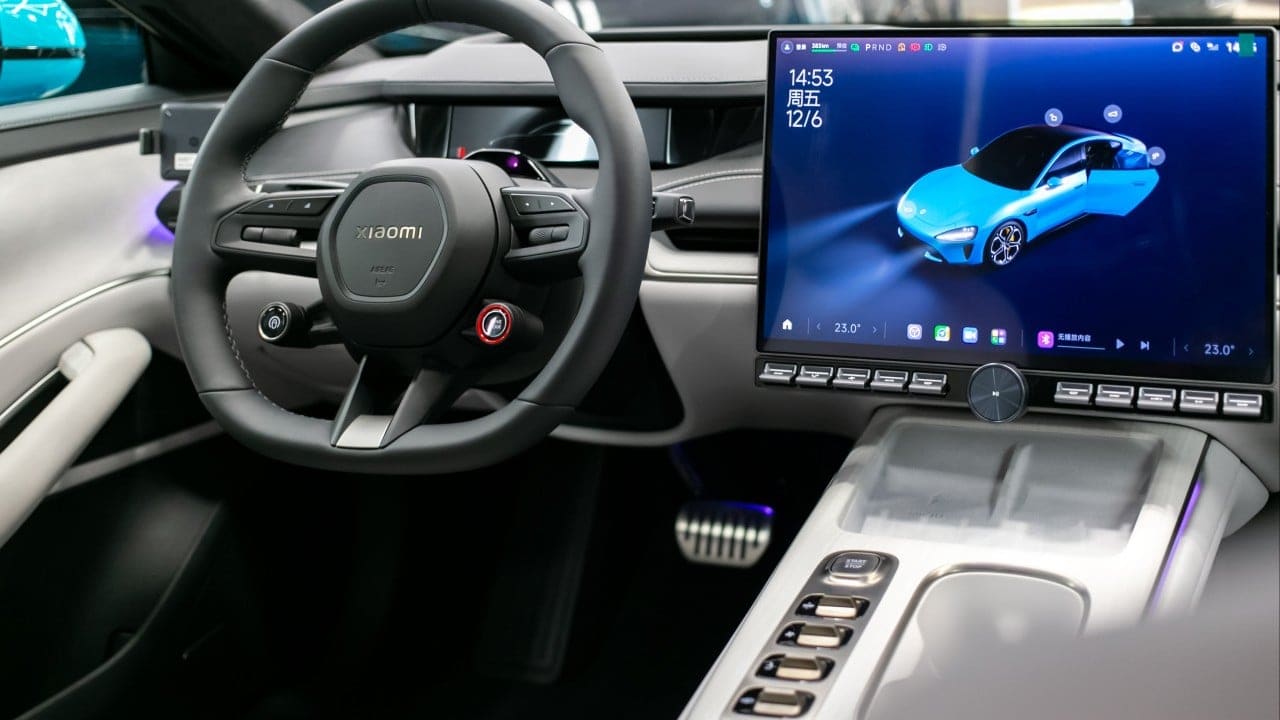
Automakers had increasingly relied on advanced technology features to differentiate products and justify premium pricing. Autonomous driving capabilities, sophisticated infotainment systems, and battery range improvements became central marketing themes as brands competed for market share. The regulatory emphasis on fundamental quality metrics suggests authorities view this approach as misaligned with industrial priorities.
Production Standards Under Scrutiny
The inspection framework targets several core areas where quality lapses have emerged. Battery safety protocols face particular attention following isolated incidents involving thermal management failures. Manufacturing consistency across different production facilities within the same brand will be assessed, addressing consumer complaints about variable build quality between models ostensibly sharing platforms and components.
Supply chain transparency represents another focus area. Regulators plan to verify that component suppliers meet declared specifications and that automakers maintain adequate quality control over outsourced parts. The move reflects broader government efforts to upgrade manufacturing standards across strategic industries, applying pressure that extends beyond final assembly to the entire production ecosystem.
Strategic Recalibration
The policy intervention signals Beijing's intent to stabilize the domestic auto sector through consolidation rather than continued expansion. Overcapacity has driven price wars that squeezed margins industry-wide, with some manufacturers selling vehicles below cost to maintain market position. By elevating quality standards, authorities effectively raise the barrier for marginal producers while protecting larger state-linked enterprises better positioned to absorb compliance costs.
Export ambitions also factor into the regulatory calculus. Chinese brands expanding into Southeast Asian and European markets have encountered quality concerns that threatened reputation in those regions. Tightening domestic standards provides a foundation for international credibility, particularly as trade partners scrutinize Chinese manufacturing practices more closely.
Industry Adjustment Ahead
The inspection campaign duration and specific enforcement measures remain unclear, leaving manufacturers uncertain about compliance timelines. Some analysts expect the initiative will accelerate consolidation among smaller automakers lacking resources to meet elevated standards. Joint ventures between domestic and foreign brands may gain relative advantage if regulators view established quality systems favorably.
Consumer sentiment will likely determine the campaign's market impact. If inspections uncover significant quality gaps, purchase hesitation could extend beyond the assessment period as buyers reassess brand reliability. Conversely, manufacturers passing inspection cleanly may leverage results in marketing, turning regulatory compliance into competitive differentiation in a crowded field where trust has become increasingly valuable.
The shift toward quality enforcement marks a pragmatic acknowledgment that technology features alone cannot sustain a healthy domestic auto industry. As the market matures and growth slows, fundamental vehicle reliability emerges as the metric that will separate viable manufacturers from those unable to transition from rapid expansion to sustainable operations.
RELATED STORIES

Eight Chinese Automakers Launch Electric Models in Single Day
Cheng Wei-Lun · 3 min
Multinationals Navigate New Wave of Chinese Manufacturing Dominance
Cheng Wei-Lun · 4 min
Nine Automakers Face China's Largest Vehicle Recall Over Retractable Door Handles
Cheng Wei-Lun · 3 min
Chinese Automakers Target Hybrid Market After Electric Vehicle Success
Cheng Wei-Lun · 3 min
Spot something wrong? Email editor@briefasia.com. We log every correction publicly.