Sustainability · Mobility
Chinese Automakers Target Hybrid Market After Electric Vehicle Success
Geely and Changan report strong hybrid sales as domestic manufacturers challenge Toyota's traditional dominance in the full-hybrid segment
KEY TAKEAWAYS
- ·Geely Auto and Changan Automobile are reporting strong hybrid vehicle sales as Chinese manufacturers expand beyond their electric vehicle dominance to challenge brands like Toyota in the hybrid segment.
- ·Chinese automakers leverage battery and electric motor expertise developed for EVs to enter the hybrid market with cost advantages from integrated supply chains.
- ·The hybrid push intensifies competitive pressure on Japanese and Korean brands that have dominated the category for two decades while Chinese manufacturers demonstrate rapid capability building.
The Hybrid Pivot
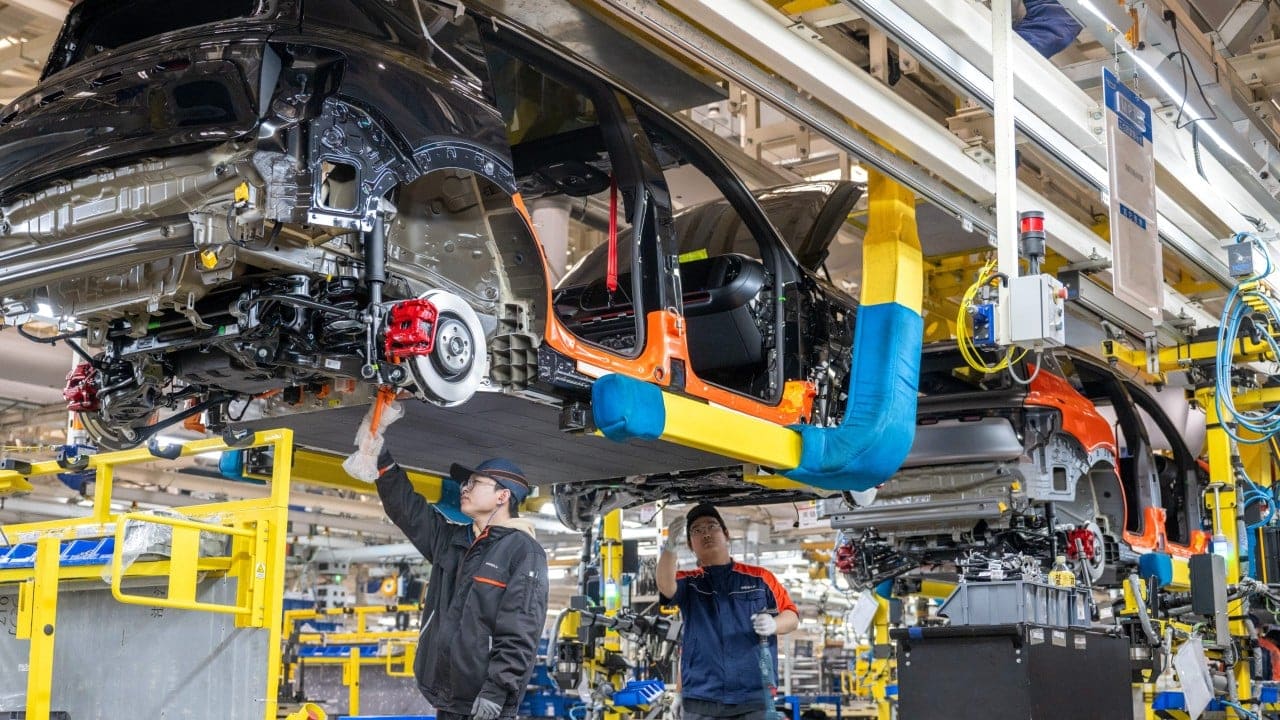
China's automotive giants are setting their sights on a new battleground. After establishing dominance in battery-electric vehicles, manufacturers including Geely Auto and Changan Automobile are now targeting the hybrid segment traditionally controlled by Japanese and other international brands.
The shift marks a strategic expansion for Chinese carmakers who have spent the past decade building expertise in electrification. Recent sales figures show the strategy is working. Domestic hybrid models are pulling buyers away from established nameplates, with Chinese-developed hybrid electric vehicles gaining traction in a market segment long associated with vehicles like Toyota's Prius.
Building on Electric Foundations
The move into hybrids represents a natural extension of capabilities Chinese manufacturers developed while becoming global leaders in pure electric vehicles. The technical overlap between battery-electric and hybrid powertrains - battery management systems, electric motors, power electronics - gives Chinese automakers an advantage as they expand their product portfolios.
Geely Auto and Changan Automobile have both reported notable sales momentum in their hybrid offerings, according to company data. The performance suggests Chinese consumers are increasingly willing to consider domestic alternatives to the Japanese and Korean brands that have dominated the hybrid category since its mainstream emergence two decades ago.
For Chinese manufacturers, hybrids offer a pragmatic bridge technology. While battery-electric vehicles face infrastructure constraints in some regions and buyer hesitation around range, hybrids eliminate charging anxiety while still delivering improved fuel economy and reduced emissions compared to conventional internal combustion engines.
Competitive Pressure
The hybrid push intensifies pressure on international automakers already grappling with China's electric vehicle surge. Toyota, Honda, and Hyundai built their hybrid reputations over years of refinement and marketing. Now they face competition from domestic players who can price aggressively, understand local preferences intimately, and iterate rapidly.
Chinese manufacturers benefit from integrated supply chains for batteries, motors, and control systems - components they've scaled for electric vehicle production. This vertical integration translates to cost advantages that can be passed to consumers or reinvested in features and technology.
The domestic market remains the primary focus, but success in hybrids at home could lay groundwork for international expansion. Chinese electric vehicles have already made inroads in Southeast Asia and Europe. Competitive hybrid offerings would broaden the product range available for export markets where charging infrastructure remains sparse or where consumers prefer the flexibility of dual powertrains.
Market Dynamics
China's automotive market has undergone rapid transformation. Government incentives accelerated electric vehicle adoption, creating a competitive domestic industry that now exports globally. The hybrid segment represents the next frontier - a category where established players have strong positions but where Chinese manufacturers see opportunity.
The technical demands of hybrid systems differ from pure electric vehicles. Coordinating an internal combustion engine with electric motors and managing transitions between power sources requires sophisticated software and calibration. Chinese automakers are demonstrating they can meet these requirements while delivering vehicles that appeal to domestic buyers on price, features, and brand perception.
Industry observers note that Chinese manufacturers have compressed development timelines that would have taken international competitors far longer. The pace of iteration in China's automotive sector - driven by fierce domestic competition and supportive industrial policy - enables rapid capability building across new vehicle categories.
What Comes Next
The hybrid push arrives as the global automotive industry navigates an uncertain transition period. Pure electric vehicles continue gaining share, but hybrids offer a compromise for buyers not ready to commit fully to battery power. Chinese manufacturers are positioning to serve both segments, hedging against regulatory shifts and consumer preference changes.
For international brands, the challenge is clear: defend hybrid market share while also competing in electric vehicles where Chinese manufacturers already lead. The two-front battle tests resources and strategic focus, particularly for companies balancing legacy combustion engine businesses with electrification investments.
Chinese automakers have demonstrated they can disrupt established hierarchies. Their hybrid ambitions signal that disruption is expanding beyond electric vehicles into adjacent categories. Whether they can replicate their electric success in hybrids will depend on execution, brand building, and continued technical advancement - but early sales figures suggest they're making progress.
RELATED STORIES
China's Smart Vehicle Makers Hit by Component Shortage as AI Demand Surges
Cheng Wei-Lun · 3 min

Malaysian Rubber Prices Climb on China Restocking and Supply Risks
Priyanka V. Rao · 3 min
Taiwan's National Security Council Expands Role in Defense Strategy
Cheng Wei-Lun · 3 min

Wall Street's Access to Beijing's Leadership Fades Despite Market Opening
Cheng Wei-Lun · 3 min
Spot something wrong? Email editor@briefasia.com. We log every correction publicly.