Asia · Business
Hyundai Motor Faces First Full-Day Strike in a Decade as Wage Talks Stall
Production halted at South Korean plants as union escalates labor action over stalled negotiations, testing automaker's domestic recovery strategy
KEY TAKEAWAYS
- ·Hyundai Motor workers staged a full eight-hour strike Friday, the first since 2016, halting production across all major South Korean plants.
- ·The labor action stems from deadlocked wage negotiations between management and the Korea Metal Workers' Union with no immediate resolution in sight.
- ·Prolonged strikes could disrupt Hyundai Motor's domestic sales recovery strategy and delay new vehicle launches aimed at recapturing market share.
Production Grinds to a Halt
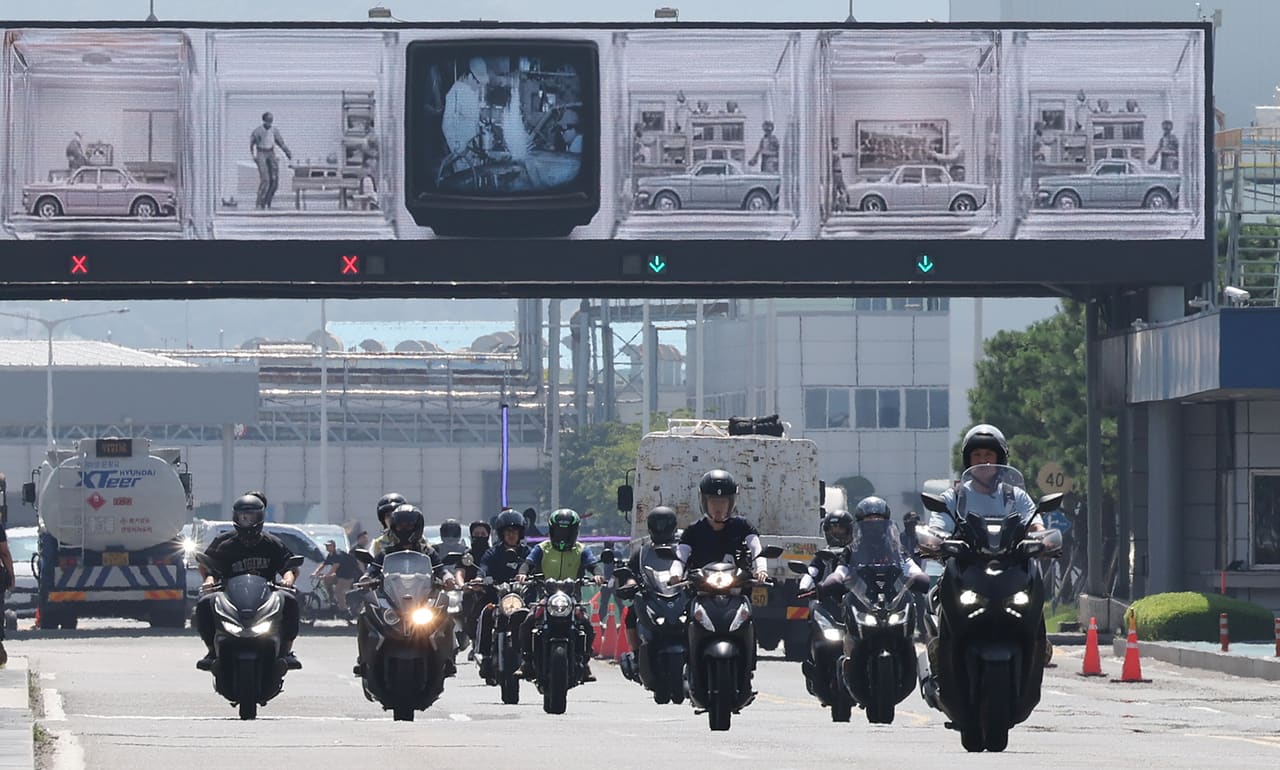
Hyundai Motor's manufacturing operations in South Korea came to a standstill Friday as union members walked off the job for a full eight-hour shift, according to the company. The coordinated action affected all major domestic production facilities, bringing assembly lines to a complete halt for the first time in a decade under this level of sustained labor protest.
The Hyundai Motor branch of the Korea Metal Workers' Union organized the full-day strike for each shift rotation, marking a significant escalation from previous partial work stoppages. Workers last staged a full-day strike of this duration in 2016, when similar wage disputes led to extended production interruptions.
Wage Negotiations at an Impasse
The current labor action stems from unresolved wage negotiations between Hyundai Motor management and union representatives. Talks have reached a deadlock, with neither side indicating imminent progress toward a settlement. The union has not disclosed specific wage increase demands publicly, but the decision to escalate to a full-day strike signals mounting frustration among workers.
South Korea's automotive sector has long been characterized by powerful labor unions that regularly negotiate for wage increases and improved working conditions. Hyundai Motor, the country's largest automaker, typically faces annual wage negotiations that occasionally result in work stoppages when agreements cannot be reached.
The timing of the strike poses particular challenges for Hyundai Motor as the company attempts to strengthen its position in the domestic market. Management has been rolling out new vehicle models aimed at reversing declining sales in South Korea, where competition from both domestic rivals and imported brands has intensified.
Broader Implications for Korean Manufacturing
The labor disruption at Hyundai Motor reflects ongoing tensions within South Korea's manufacturing sector, where unions have historically maintained significant leverage in wage negotiations. A prolonged strike could disrupt supply chains, delay vehicle deliveries, and impact the company's financial performance in the third quarter.
Beyond immediate production losses, extended labor actions risk damaging Hyundai Motor's reputation for reliability among domestic customers at a critical moment. The automaker has invested heavily in new product launches designed to recapture market share lost to competitors in recent years.
The strike also comes as South Korea's automotive industry faces broader headwinds, including the transition to electric vehicles, rising raw material costs, and increased global competition. Labor costs represent a significant portion of manufacturing expenses, making wage negotiations a central concern for management seeking to maintain competitiveness.
What Comes Next
The full-day strike represents a test of resolve for both union leadership and Hyundai Motor management. Historical precedent suggests that such escalations often lead to renewed negotiating efforts, though the timeline for resolution remains uncertain.
If the dispute continues without resolution, the union may consider additional full-day strikes or other forms of labor action. Conversely, management pressure to resume production and meet delivery commitments could push both sides back to the negotiating table in the coming days.
For now, Hyundai Motor's South Korean plants remain vulnerable to further disruptions as long as wage talks stay deadlocked. The company has not announced contingency plans or commented publicly on potential impacts to production targets for the remainder of 2026.
RELATED STORIES
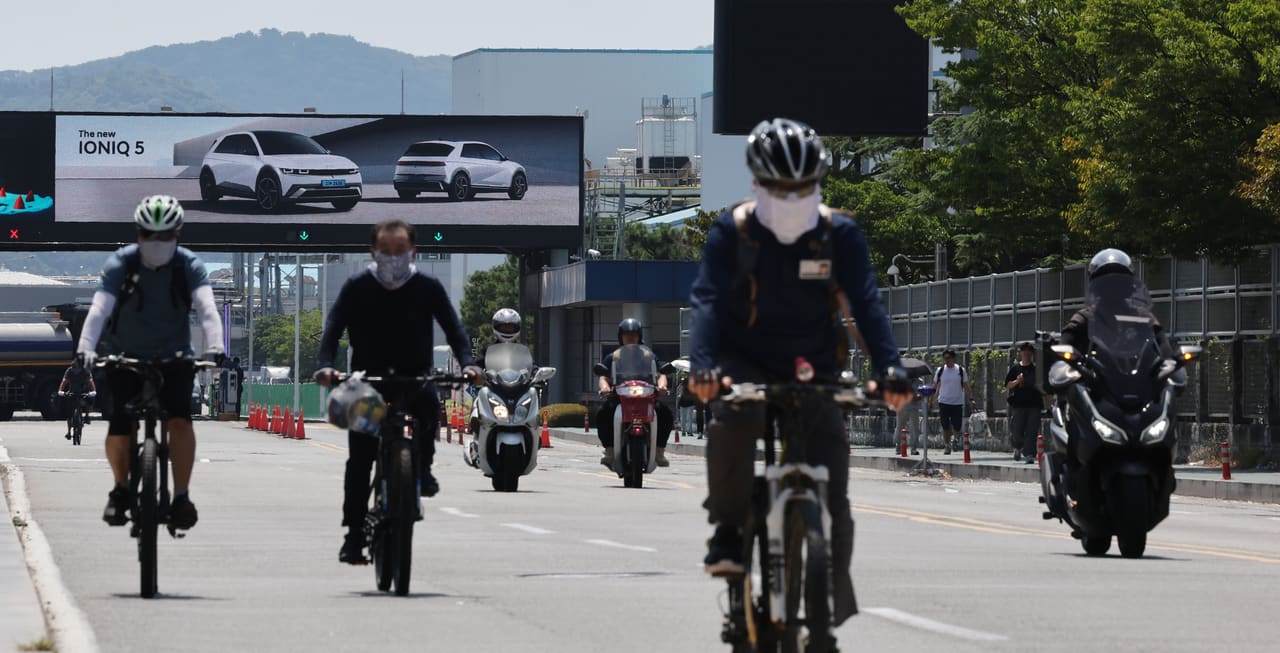
Hyundai Workers Launch First Full-Day Strike in a Decade
Jun-ho Seo · 2 min

South Korea's Alcohol Production Hits 27-Year Low as Wellness Trends Reshape Drinking Culture
Cheng Wei-Lun · 3 min
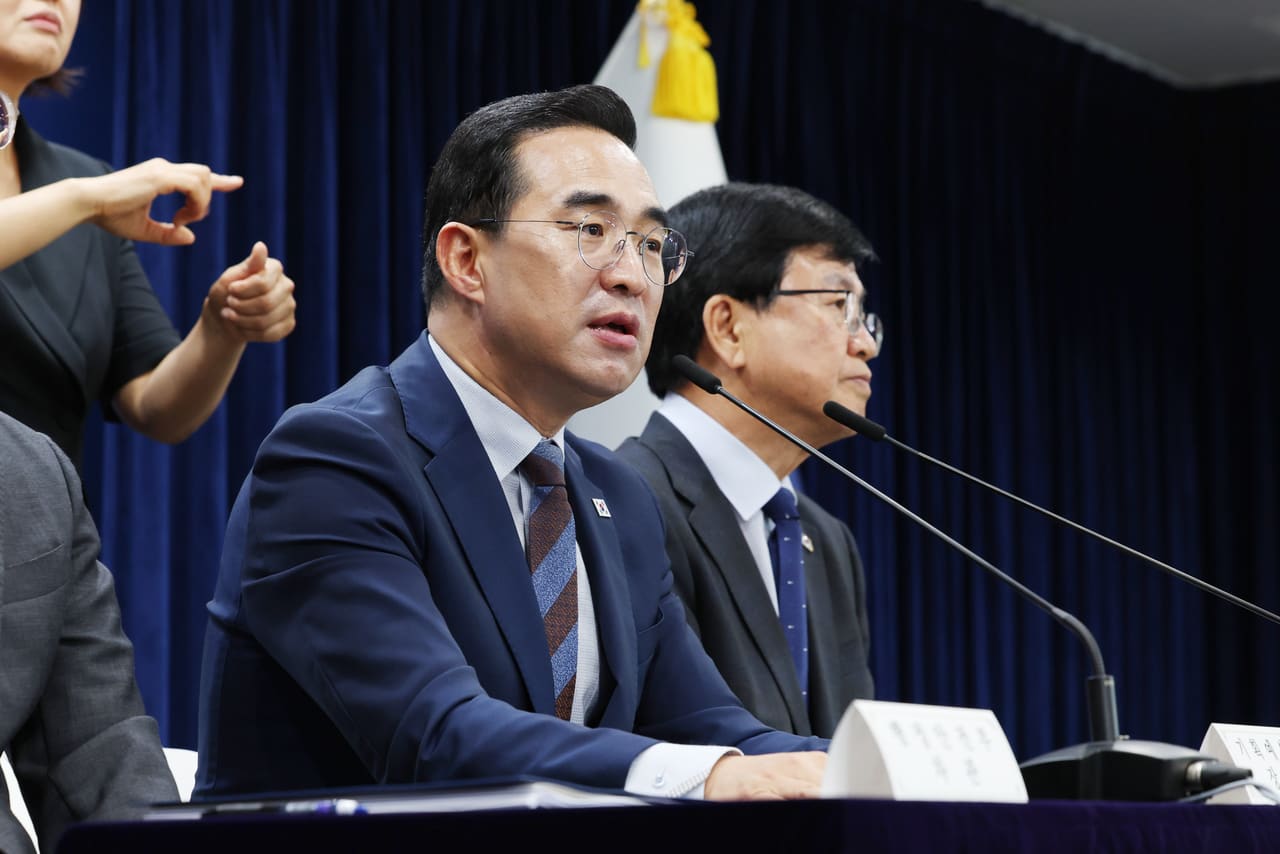
South Korea Creates Fiscal Buffer Fund to Manage Semiconductor Tax Surge
Cheng Wei-Lun · 4 min
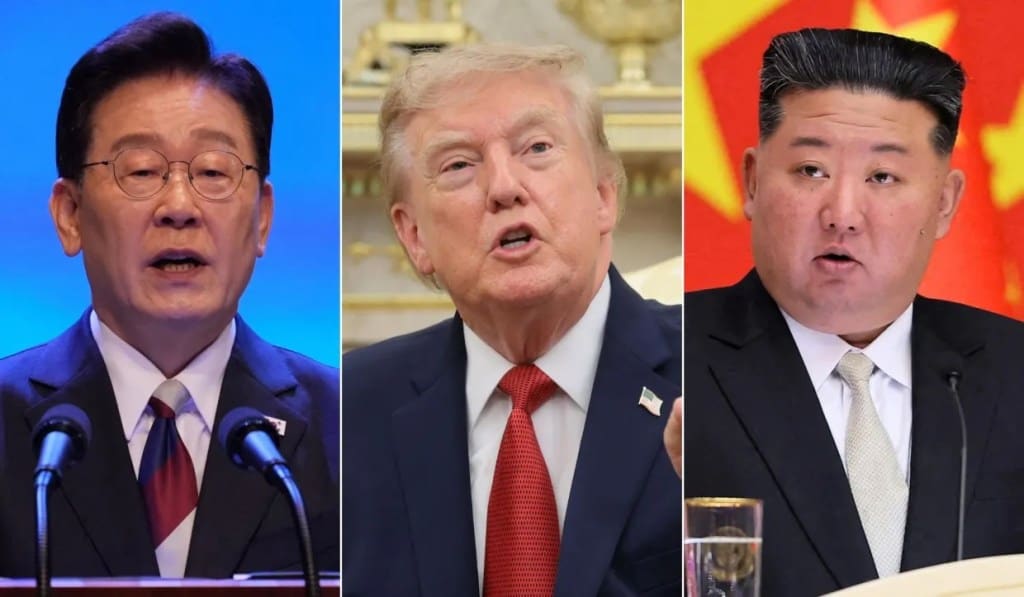
Seoul Faces Economic Pressure as US Policy Shift Strains Trade and Security Ties
Cheng Wei-Lun · 4 min
Spot something wrong? Email editor@briefasia.com. We log every correction publicly.