Asia · Trending
South Korea's Alcohol Production Hits 27-Year Low as Wellness Trends Reshape Drinking Culture
The country's beverage industry faces its steepest decline since the late 1990s, with beer, soju, and traditional rice liquor all recording consecutive years of falling shipments
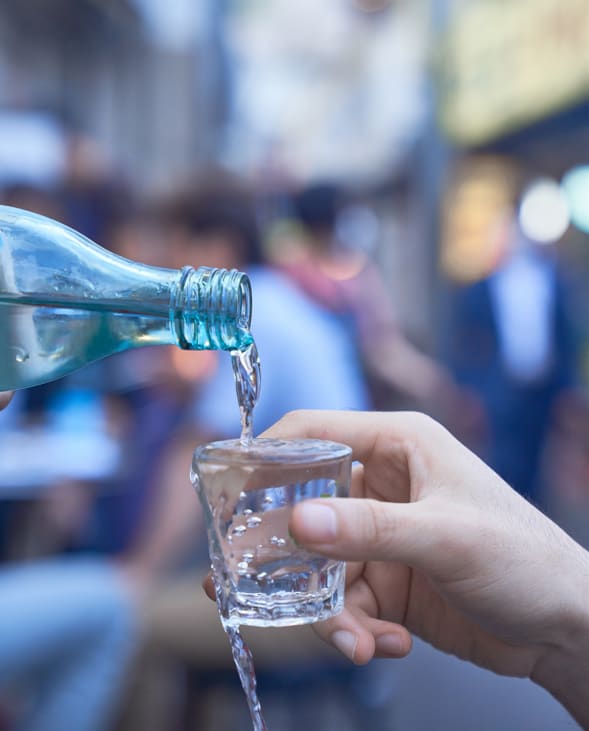
KEY TAKEAWAYS
- ·South Korea's alcoholic beverage production dropped below 3 million kiloliters in 2025, the lowest level in 27 years, according to National Tax Service data.
- ·Beer and soju shipments have declined for three consecutive years since 2022, while traditional rice liquor takju has fallen for five straight years through 2025.
- ·The sustained decline reflects younger South Koreans embracing wellness lifestyles and moving away from the heavy drinking culture that defined previous generations.
A Generational Shift in Drinking Habits
South Korea's alcohol industry recorded its lowest production volume in 27 years during 2025, with total output falling below 3 million kiloliters, according to data from the National Tax Service. The decline marks a turning point for an industry that has long been central to Korean social and business culture, reflecting broader demographic and lifestyle changes sweeping across the peninsula.
The contraction spans the country's most popular categories. Beer and soju shipments have declined for three consecutive years beginning in 2022, while takju, the traditional fermented rice liquor often enjoyed in rustic bowls at countryside restaurants, has seen five straight years of falling sales through 2025. The breadth of the downturn suggests this is not a temporary cyclical dip but a fundamental recalibration of consumption patterns.
The Wellness Wave
The shift coincides with a growing health consciousness among South Korean consumers, particularly younger cohorts who are rethinking the drinking-heavy social norms that defined previous generations. Office workers in Seoul's Gangnam and Jongno districts, once reliably filling soju tents and beer halls until late evening, are increasingly opting for gym sessions, specialty coffee, or alcohol-free socializing.
This transformation is visible in retail and hospitality data across major cities. Convenience stores have expanded shelf space for zero-alcohol beverages and functional drinks, while traditional pojangmacha (street food tents) report thinner crowds on weekday evenings. The trend mirrors patterns observed in Japan over the past decade, where younger workers similarly pulled back from after-hours drinking culture.
Industry Under Pressure
For South Korea's beverage manufacturers, the sustained decline presents a strategic challenge. Domestic producers have historically relied on strong local consumption, with exports playing a secondary role despite recent international interest in soju and makgeolli. The multi-year contraction forces brewers and distillers to reconsider product portfolios, marketing strategies, and distribution channels.
Some companies have begun diversifying into non-alcoholic alternatives or premium segments, betting that consumers willing to drink less might pay more for quality. Others are targeting overseas markets more aggressively, particularly in Southeast Asia and North America, where Korean food and beverage culture has gained traction alongside the broader Korean Wave.
The decline also carries fiscal implications. Alcohol taxes represent a meaningful revenue stream for the government, and sustained production drops may eventually pressure public finances or prompt policy adjustments to stabilize the industry.
Demographic Headwinds
South Korea's aging population and low birth rate compound the industry's challenges. With fewer young adults entering prime drinking years and older cohorts reducing consumption for health reasons, the domestic market is structurally shrinking. The working-age population, which traditionally drove weekday alcohol sales through corporate drinking culture, is expected to contract further over the next decade.
Regional variations add complexity. Rural areas, where traditional liquors like takju have cultural significance, are experiencing sharper declines as younger residents migrate to cities and older populations age. Urban centers, meanwhile, show more appetite for craft beer and imported wines, creating a fragmented market that complicates national-level strategies.
What Comes Next
The 2025 figures position South Korea's alcohol industry at a crossroads. Producers must navigate a consumer base that drinks less frequently, prioritizes wellness, and shows more diverse tastes than any previous generation. The companies that adapt quickly by innovating around low-alcohol or functional beverages, expanding export reach, and shedding legacy assumptions about Korean drinking culture will be best positioned to weather the transition.
For policymakers, the data raises questions about how to support an industry undergoing structural change while respecting shifting public health priorities. The coming years will test whether South Korea's beverage sector can reinvent itself for a market that no longer resembles the one that sustained it for decades.
RELATED STORIES
Hyundai Motor Faces First Full-Day Strike in a Decade as Wage Talks Stall
Jun-ho Seo · 2 min
South Korea Creates Fiscal Buffer Fund to Manage Semiconductor Tax Surge
Cheng Wei-Lun · 4 min

Seoul Faces Economic Pressure as US Policy Shift Strains Trade and Security Ties
Cheng Wei-Lun · 4 min
South Korea's Central Bank Set to Lift 2026 Growth Forecast Above 3 Percent
Cheng Wei-Lun · 3 min
Spot something wrong? Email editor@briefasia.com. We log every correction publicly.