Asia · Business
South Korea's Central Bank Set to Lift 2026 Growth Forecast Above 3 Percent
Semiconductor export strength and recovering consumer spending push the Bank of Korea toward its most optimistic revision in two years
KEY TAKEAWAYS
- ·The Bank of Korea is expected to raise its 2026 growth forecast from 2.6 percent to as high as 3.4 percent, according to six economists surveyed.
- ·Semiconductor exports, led by memory chips for AI applications, have recovered faster than anticipated, driving the upward revision.
- ·Domestic consumer spending has strengthened in the first half of 2026, reducing downside risks the central bank flagged earlier this year.
Upgrade in the Pipeline
The Bank of Korea is poised to revise its 2026 economic growth forecast upward to more than 3 percent, a meaningful shift from its current 2.6 percent projection. The anticipated adjustment reflects two converging forces: semiconductor exports running ahead of expectations and domestic consumption showing renewed life after months of caution.
Six economic analysts polled recently expect the central bank to announce the revision as high as 3.4 percent. The range of estimates signals broad agreement that South Korea's export engine, particularly in memory chips and advanced logic semiconductors, has outperformed even bullish scenarios laid out earlier this year.
Chip Cycle Turns Faster Than Expected
South Korea's semiconductor sector, which accounts for roughly one-fifth of total merchandise exports, has staged a faster recovery than most forecasters anticipated at the start of 2026. Demand for high-bandwidth memory used in artificial intelligence accelerators has remained resilient, while inventory corrections in mainstream DRAM and NAND flash wrapped up faster than the multi-quarter drag many had penciled in.
Samsung Electronics and SK hynix, the country's two dominant memory producers, have both reported tighter supply conditions and firmer pricing through the second quarter. That pricing power, absent for much of 2023 and early 2024, is now translating into stronger revenue and a more confident outlook for capital expenditure.
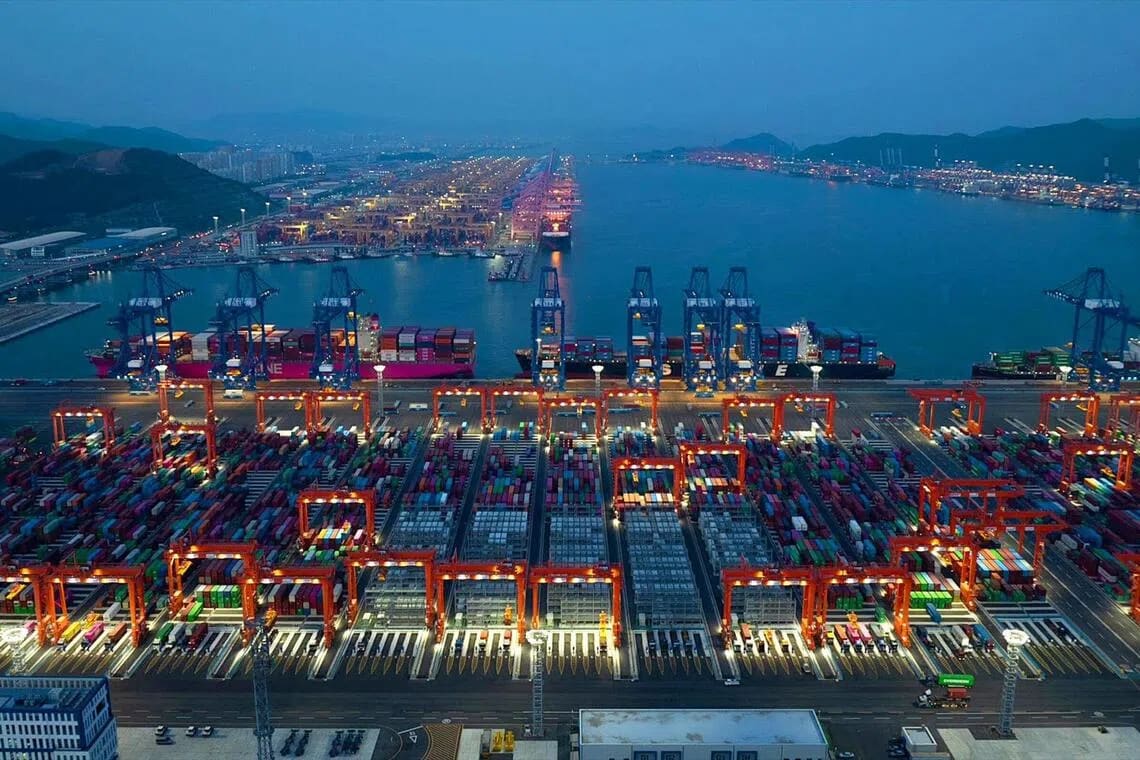
The improved semiconductor backdrop matters beyond the chip makers themselves. South Korea's industrial economy remains tightly woven around electronics manufacturing, logistics, and the chemicals and equipment firms that supply fabrication plants. When chip exports accelerate, the multiplier effect ripples through Incheon port volumes, trucking demand, and industrial-area employment from Pyeongtaek to Cheongju.
Domestic Demand Finds Its Footing
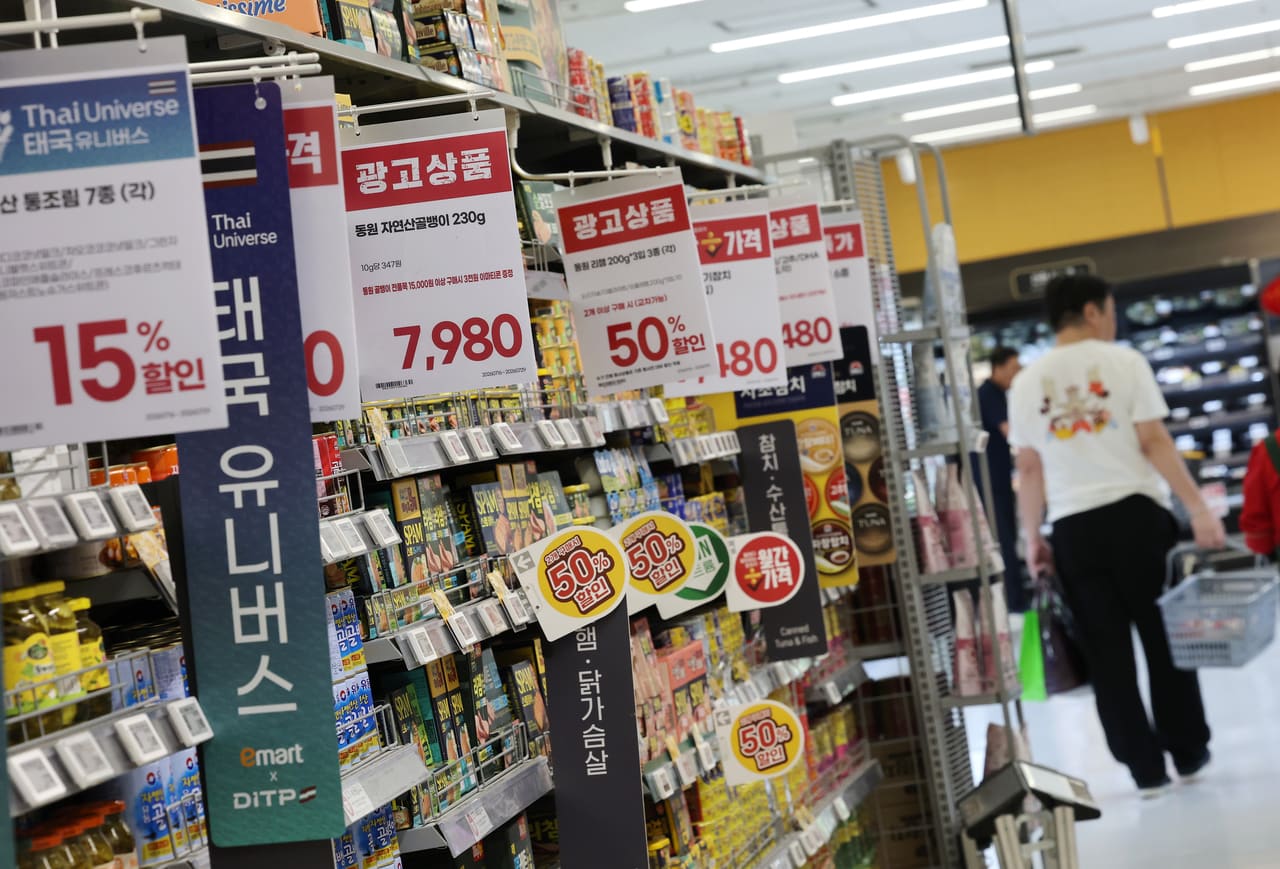
Alongside the export story, household spending has begun to recover from the prolonged softness that marked much of 2025. Retail sales data for the first half of 2026 showed a sequential pickup, and consumer sentiment indices have climbed back above their long-run averages.
Wage growth, supported by a tight labor market and negotiated increases in key manufacturing sectors, has given households more room to spend. Inflation, which spiked uncomfortably in 2024, has moderated to levels the central bank considers manageable, reducing the real-income squeeze that weighed on discretionary purchases last year.
The BOK had flagged weak private consumption as a downside risk in its April policy statement. That risk now appears to be fading, giving the central bank's growth and inflation committee more confidence in a sustained expansion rather than an export-only upswing vulnerable to external shocks.
What the Revision Signals
A growth forecast above 3 percent would place South Korea comfortably ahead of Japan and in line with several Southeast Asian economies that have posted strong first-half numbers. It would also represent the BOK's most optimistic annual outlook since the post-pandemic rebound of 2021-2022.
The revision carries implications for monetary policy. The BOK has held its benchmark rate steady for five consecutive meetings, balancing concerns about household debt against the need to support growth. A stronger growth outlook reduces the urgency for near-term cuts, though policymakers have signaled they remain data-dependent and will adjust if external conditions shift.
For investors and corporates with exposure to South Korea, the upgraded forecast reinforces the view that the economy has navigated the semiconductor downcycle and is entering a more balanced expansion. Equity markets in Seoul have already priced in much of the semiconductor recovery, but a broadening growth story that includes consumer spending and services could support sustained inflows into domestic-facing sectors that lagged in 2025.
The Bank of Korea is expected to release its updated Economic Outlook report in the coming weeks, providing detailed breakdowns of growth drivers, inflation projections, and risk assessments for the remainder of 2026 and into 2027.
RELATED STORIES
Seoul's Semiconductor Surge Fuels Debate Over Central Bank Tightening
Cheng Wei-Lun · 3 min
South Korea Extends Fuel Price Caps as Middle East Tensions Lift Oil Markets
Cheng Wei-Lun · 3 min
South Korea Channels AI Tax Windfall Into New Growth Fund
Cheng Wei-Lun · 3 min
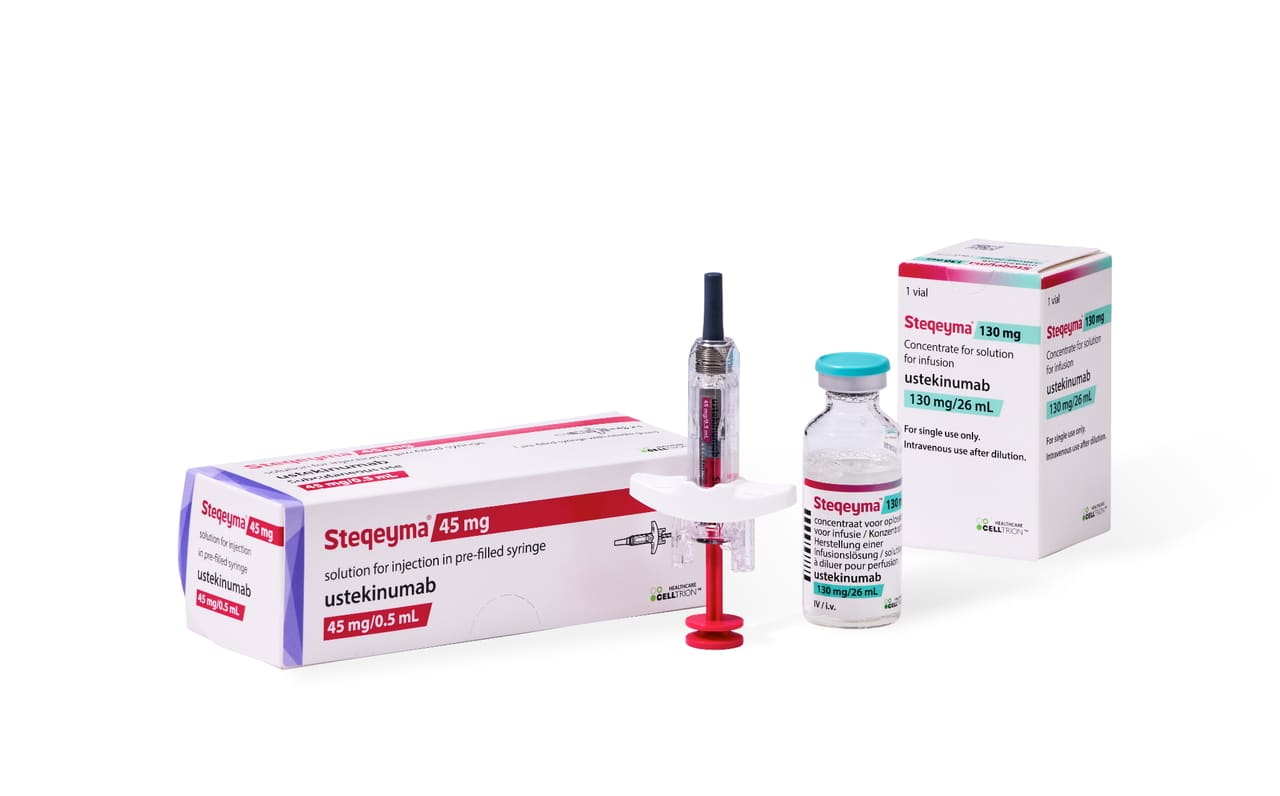
Celltrion Launches IV Version of SteQeyma in Japan's Growing Biologics Market
Cheng Wei-Lun · 3 min
Spot something wrong? Email editor@briefasia.com. We log every correction publicly.