Finance · Markets
Seoul's Semiconductor Surge Fuels Debate Over Central Bank Tightening
Memory chip demand from AI infrastructure investments pushes August trade gains past 60 percent, setting stage for potential consecutive rate increases
KEY TAKEAWAYS
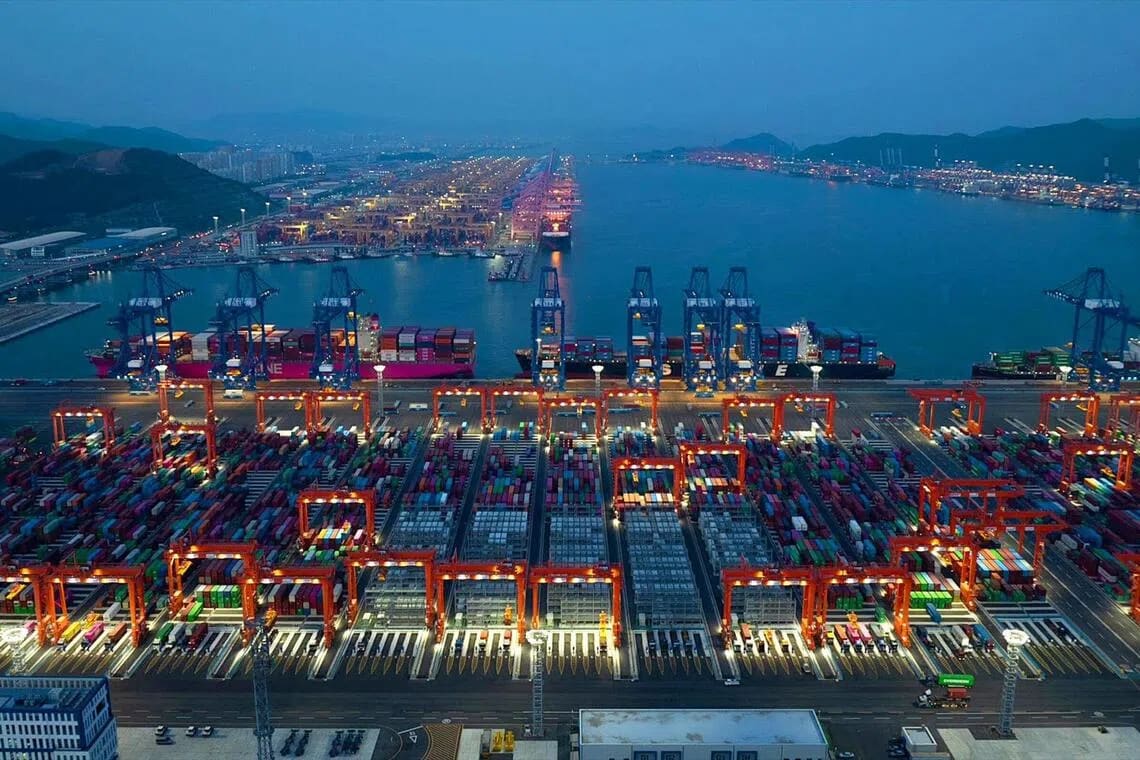
- ·South Korea's working-day-adjusted exports rose 61.5 percent year-over-year through August 20, with semiconductor shipments up 198.8 percent driven by AI infrastructure demand.
- ·The trade surplus neared 14 billion dollars for the period, with June's current account reaching a record 49.7 billion dollars as export prices surged 49 percent.
- ·The Bank of Korea meets next week with economists divided on consecutive rate hikes, as July inflation slowed to 2.8 percent while core prices accelerated to 2.6 percent.
Tech Hardware Drives Trade Performance
South Korea's outbound shipments extended their winning streak through the third week of August, with working-day-adjusted figures showing 61.5 percent year-over-year expansion, according to Customs office data released August 21. The headline number marks a slight deceleration from July's 62.9 percent pace, yet maintains the economy's position as one of Asia's strongest trade performers this year.
Unadjusted export volumes climbed 56 percent while inbound cargo rose 19 percent, producing a trade surplus approaching 14 billion dollars for the 20-day period. The gap reflects widening divergence between technology hardware demand and energy-driven import costs, a pattern that has defined Korean trade dynamics throughout 2026.
Semiconductor shipments remain the engine behind the performance, posting 198.8 percent growth compared to the same August window last year. Computer equipment exports surged 242.1 percent, underscoring how data center construction and enterprise AI adoption continue to reshape demand for Korean manufacturing output. Vehicle shipments, by contrast, dropped roughly 45 percent, highlighting uneven sector performance beneath the aggregate numbers.
Monetary Policy Implications
The figures arrive six days before the Bank of Korea convenes for its next policy decision, with economists split on whether Governor will deliver consecutive rate increases or pause after July's 25-basis-point move to 2.75 percent. The July adjustment marked the first tightening since 2023 and carried unanimous support from the board.
Minutes from that meeting revealed broad consensus that additional tightening would prove necessary, though policymakers left the pace and timing contingent on evolving inflation, growth, and financial stability indicators. The latest trade data strengthens the argument that economic momentum can absorb higher borrowing costs without stalling recovery.
Inflation trends present a mixed picture. Headline consumer price growth decelerated to 2.8 percent in July, falling below market expectations. Core inflation, however, accelerated to 2.6 percent, signaling that underlying price pressures persist despite softer top-line readings. Second-quarter GDP expanded 0.6 percent quarter-over-quarter, exceeding forecasts and reinforcing perceptions of durable growth.
Terms-of-Trade Windfall
The semiconductor boom is generating unusually large spillover effects across the broader economy. Export prices jumped approximately 49 percent in July from year-earlier levels, the steepest increase since March 1998, according to central bank data released last week. Terms of trade improved by a record 24.7 percent, reflecting both higher unit values for chip exports and relatively stable import costs outside energy.
The external account has reached historic proportions. June's current account surplus hit 49.7 billion dollars, an all-time high, with the goods balance climbing to unprecedented levels as monthly exports topped 100 billion dollars for the first time on record. This accumulation of foreign exchange reserves provides fiscal authorities with additional flexibility to manage currency volatility and external shocks.
Regional Demand Patterns
Geographic breakdowns reveal where the technology spending wave is concentrated. Shipments to China surged 118.6 percent, driven largely by semiconductor components destined for mainland assembly operations and domestic data center projects. Exports to the United States rose 59.4 percent, reflecting enterprise AI infrastructure buildouts and cloud service provider capacity expansion.
Hong Kong emerged as the fastest-growing destination, with exports jumping 245.5 percent, a figure likely inflated by re-export flows and relatively low base effects from the prior year. Vietnam recorded 67.4 percent growth, consistent with that country's role as a manufacturing hub absorbing intermediate goods for electronics assembly.
Outlook and Risks
Sustained strength in early-cycle indicators suggests the export boom retains momentum heading into the final months of 2026. Memory chip pricing remains elevated, and order backlogs at major foundries point to continued capacity constraints through early 2027. The question for policymakers is whether this windfall justifies tighter monetary conditions or whether external risks warrant caution.
Middle East tensions and elevated energy costs represent the primary downside scenarios. Oil price volatility could erode terms-of-trade gains and pressure import bills, while geopolitical disruptions to shipping lanes would affect logistics costs. On the domestic front, household debt levels remain elevated, and aggressive rate increases could strain consumer balance sheets.
The Bank of Korea faces a narrow path: tighten enough to contain inflation expectations and prevent financial imbalances, but avoid choking off credit flows that support domestic consumption. Export strength provides room to maneuver, yet the durability of AI-driven demand remains untested through a full business cycle. Next week's decision will signal how much weight policymakers place on current momentum versus forward-looking uncertainty.
RELATED STORIES
Bank of Korea Signals Cautious Approach to Future Rate Decisions
Cheng Wei-Lun · 3 min

South Korea's Producer Prices Drop as Oil Costs Ease
Cheng Wei-Lun · 3 min

Samsung Pledges Up to $80 Billion in Shareholder Returns This Year
Cheng Wei-Lun · 3 min
Samsung Electronics Sets Aside Up to $79.5 Billion for Shareholder Returns in 2026
Cheng Wei-Lun · 3 min
Spot something wrong? Email editor@briefasia.com. We log every correction publicly.