Finance · Deals
Samsung Pledges Up to $80 Billion in Shareholder Returns This Year
The South Korean chipmaker plans cash dividends and buybacks as AI boom profits fuel pressure to reward investors
KEY TAKEAWAYS
- ·Samsung Electronics plans to return up to 110 trillion won or $79.54 billion to shareholders in 2026, over five times its 2020 record of 20.3 trillion won.
- ·The package includes 30 trillion won in third-quarter cash dividends and 15 trillion won in share buybacks for employee bonuses, with remaining structure decided in January 2027.
- ·Samsung and SK Hynix are projected to hold a combined $263 billion in net cash by year-end, exceeding Nvidia's $102 billion and the other six Magnificent Seven companies combined.
Record-Breaking Capital Allocation
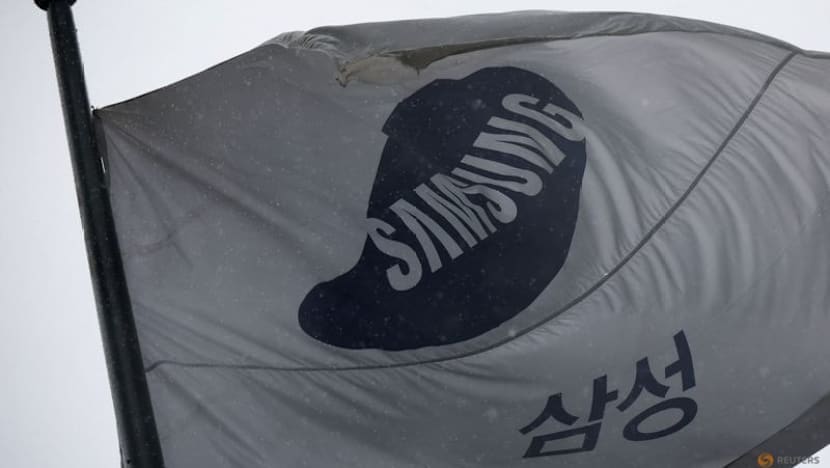
Samsung Electronics will return up to 110 trillion won ($79.54 billion) to shareholders this year, the company announced Friday, marking a dramatic escalation in capital allocation as the artificial intelligence boom fills its coffers with record profits.
The figure represents more than five times Samsung's previous shareholder return high of 20.3 trillion won set in 2020. The package includes 30 trillion won in cash dividends scheduled for the third quarter, according to Samsung Electronics. The company has already executed 15 trillion won in share buybacks designated for employee stock bonuses.
Samsung's board will determine the remaining payout structure in January 2027, with options including additional cash dividends, further buybacks, and share cancellations. The announcement comes as Samsung and rival SK Hynix face mounting pressure from investors to distribute gains from the AI-fueled surge in memory chip demand.
Shareholder Pressure Mounts Across Korean Chipmakers
Under its 2024-2026 shareholder return framework, Samsung committed to distributing 50 percent of free cash flow accumulated over the three-year period. The policy shift reflects broader expectations among investors that South Korean tech giants should mirror the capital discipline of their Western counterparts.
SK Hynix announced earlier this week it would buy back and cancel 40 trillion won of treasury shares while allocating more than 50 percent of free cash flow generated between 2025 and 2027 to shareholder returns. The competing announcements underscore how quickly capital allocation has become a battleground for investor loyalty in Seoul.
Sanjeev Rana, head of research at CLSA Securities Korea, noted the returns should establish a floor for Samsung's share price, though some market participants expected the entire package delivered immediately rather than staged across quarters. "From a share price perspective a buyback would have been better as it would have created additional demand for shares in the market," Rana said.
AI Windfall Drives Unprecedented Cash Positions
The shareholder distributions follow extraordinary earnings growth. Samsung reported a more than 250-fold jump in chip division operating profit to 89 trillion won in the second quarter, driven by surging demand for high-bandwidth memory used in AI training systems. The company's shares have climbed 300 percent over the past 12 months, though they retreated from a June peak as concerns emerged about potential slowdowns in AI infrastructure spending.
Samsung and SK Hynix are projected to hold a combined $263 billion in net cash by year-end, according to LSEG data. That figure exceeds the estimated $102 billion held by Nvidia, the AI chip leader whose processors power most large language model training, and surpasses the combined cash reserves of the other six "Magnificent Seven" U.S. technology companies.
The cash accumulation reflects both the profitability of advanced memory chips and the relatively modest capital expenditure requirements compared to logic chipmakers. While Samsung invests heavily in fabrication capacity for its foundry business, its memory operations generate substantial free cash flow even during expansion cycles.
Market Response and Strategic Implications
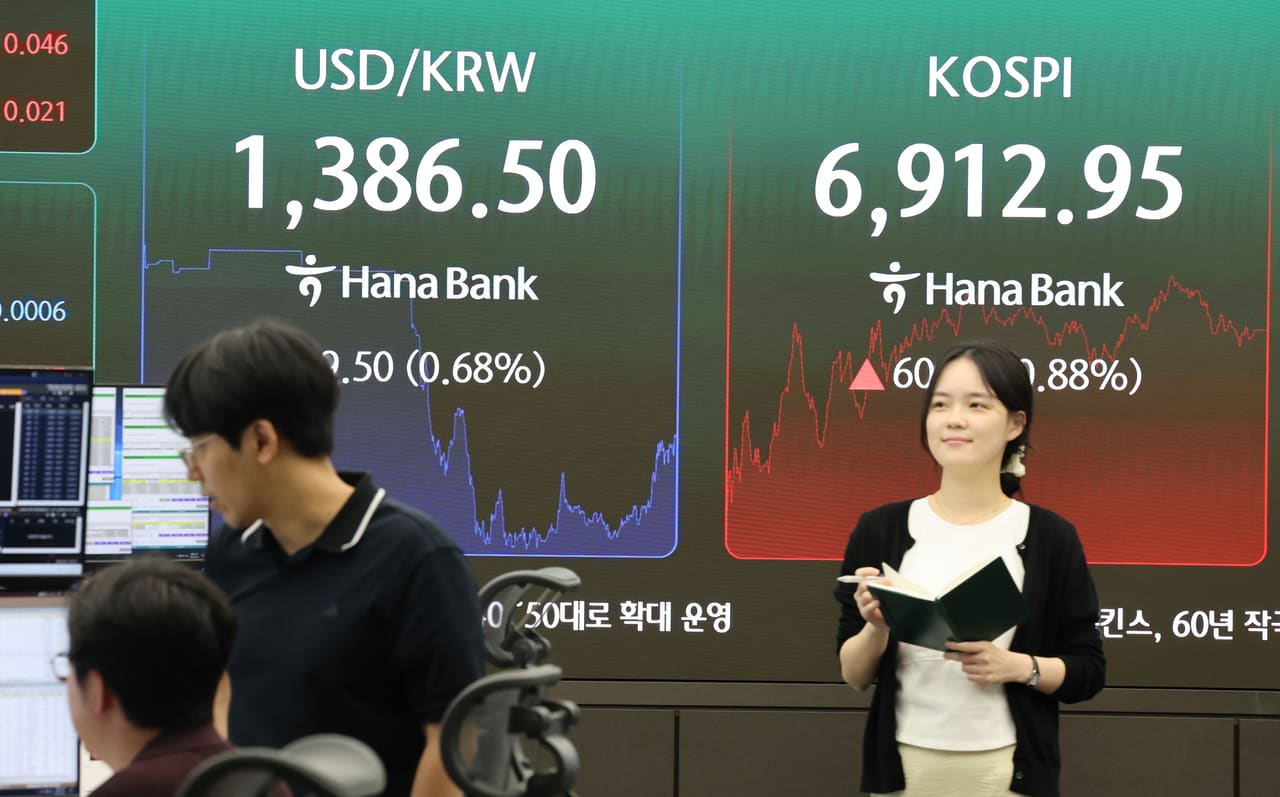
Samsung shares rose 3.5 percent Friday following the announcement, while SK Hynix gained 4.4 percent. The broader Korean market advanced 0.8 percent.
The scale of Samsung's shareholder returns signals confidence that elevated AI chip demand will persist even as some analysts question sustainability. Memory chip prices have stabilized at elevated levels after more than doubling from 2023 lows, supported by data center buildouts and enterprise AI adoption across sectors.
For Samsung, the capital allocation also addresses a persistent discount Korean technology stocks face compared to global peers, often attributed to concerns about governance and shareholder treatment. By committing half of free cash flow to returns over a multi-year period, Samsung aims to demonstrate alignment with shareholder interests while maintaining flexibility for strategic investments in foundry technology and advanced packaging capabilities.
RELATED STORIES
Samsung Unveils $80 Billion Buyback in Bid to Restore Investor Confidence
Cheng Wei-Lun · 3 min
Samsung Electronics Sets Aside Up to $79.5 Billion for Shareholder Returns in 2026
Cheng Wei-Lun · 3 min
Seoul Stocks Climb on Chipmaker Shareholder Return Expectations
Cheng Wei-Lun · 2 min
Samsung Announces Historic $65 Billion Shareholder Return Program
Cheng Wei-Lun · 4 min
Spot something wrong? Email editor@briefasia.com. We log every correction publicly.