Sustainability · Energy
Brent Crude Climbs Past $93 as US Sanctions Threat Tightens Iran Oil Flows
Heightened geopolitical tension around the Strait of Hormuz pushes benchmark oil toward seven percent weekly gains, with Asian energy buyers facing tighter supply and higher costs
KEY TAKEAWAYS
- ·Brent crude rose 6.1 percent this week to $93.97 per barrel, with WTI up 5.4 percent to $86.97, as US threats of unprecedented sanctions on Iran tighten oil export flows.
- ·Strait of Hormuz traffic fell to seven commodity ships on Thursday, half the prior day's count, sustaining disruption to a waterway that once handled one-fifth of global oil and LNG supplies.
- ·Chinese buyers face declining Iranian crude offers and higher prices as the US naval blockade persists and the expired peace deal shows no sign of revival, raising costs for Asian energy importers.
Prices Rise Amid Supply Concerns
Oil markets extended gains on Friday, with Brent crude futures climbing 19 cents to reach $93.97 per barrel by midday European trading. West Texas Intermediate added 14 cents to $86.97. The moves capped a second consecutive week of advances, with Brent up more than 6.1 percent and WTI rising 5.4 percent over the five-day period.
The rally pushed both benchmarks to their highest levels since late July, driven by escalating tensions between Washington and Tehran that threaten to further constrain oil flows from the Persian Gulf region. Markets are now pricing in prolonged disruption to a waterway that, before February, handled roughly one-fifth of global oil and liquefied natural gas shipments.
Soni Kumari, an analyst at ANZ, noted that the United States has adopted an increasingly firm posture toward Iran, with a blockade already in place and warnings of tougher export penalties. That combination has been sufficient to lift benchmark crude back above the $90 threshold, a level not seen consistently since midsummer.
Strait of Hormuz Throughput Drops
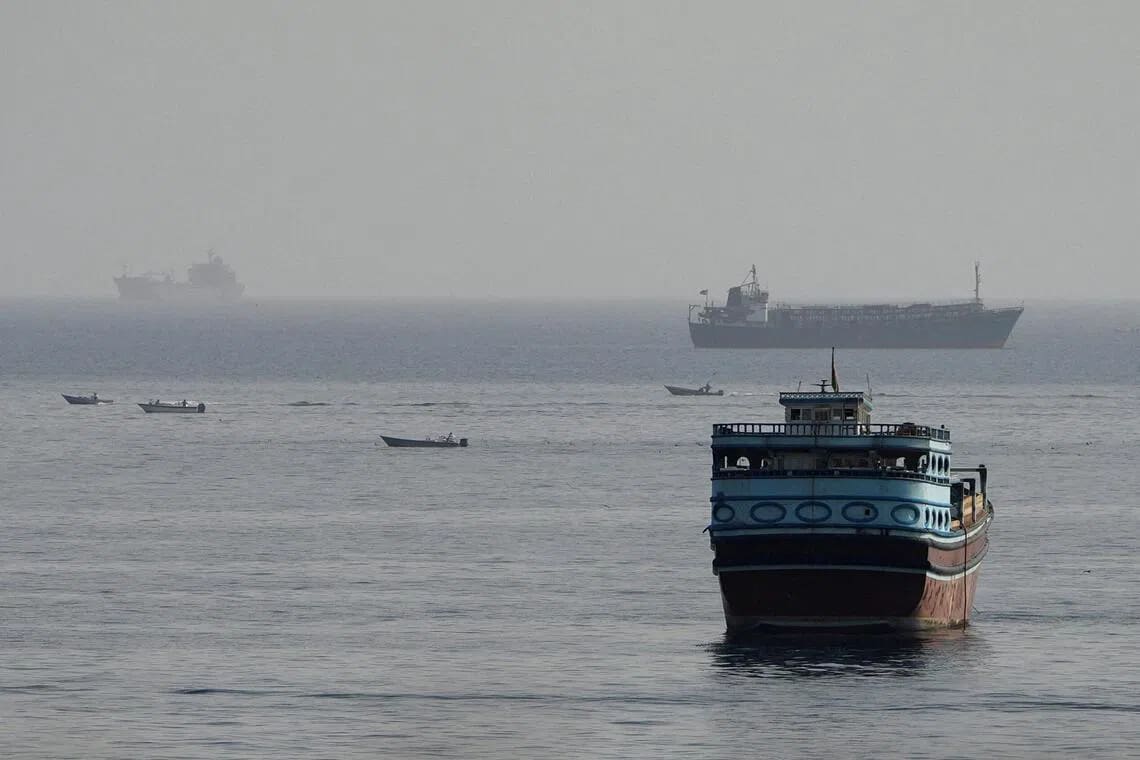
Shipping data from Kpler showed just seven commodity vessels transiting the Strait of Hormuz on Thursday, half the tally recorded the previous day. The narrow waterway, which separates the Persian Gulf from the Gulf of Oman, remains a critical chokepoint for energy flows to Asia.
The reduction in traffic reflects the cumulative impact of a US naval blockade and heightened regional tensions that have persisted for nearly six months. Iranian exports, already under pressure from enforcement measures, face additional constraints as Washington prepares what it describes as the most severe financial penalties in history.
Tehran responded on Friday, warning that any new threats would meet a devastating reply. The statement came as the earlier peace agreement between the two countries expired this week with no indication either side intends to resume negotiations.
Asian Buyers Face Tighter Supply
Trade sources reported that offers of Iranian crude to Chinese buyers have declined sharply this week, with prices jumping as the blockade cuts available shipments. The tightening supply comes at a time when major producers in the Gulf, including Saudi Arabia, Iraq, the United Arab Emirates, and Kuwait, continue to manage output in response to market conditions.
Crispus Nyaga, a research analyst at Empire FX, observed that while the immediate supply impact may be limited given existing constraints on Iranian exports, the risk of escalation remains significant. An increase in shipping incidents or retaliatory measures against economic sanctions could further complicate the situation, particularly with Strait of Hormuz traffic well below normal levels.
For Asian economies heavily reliant on Middle Eastern crude, the sustained disruption presents both cost and security challenges. Japan, South Korea, India, and China together account for a substantial share of global oil imports, and any prolonged constraint on Persian Gulf flows forces buyers to seek alternative supplies at higher freight costs.
Refinery Strikes Extend Energy Volatility
Beyond the Gulf, energy infrastructure in other regions also faced disruption. Ukrainian forces struck a Russian oil refinery in Perm overnight, more than 1,600 kilometers from the Ukrainian border, according to President Volodymyr Zelenskiy. The attack underscores the widening geographic scope of actions targeting energy assets, adding another layer of uncertainty to global supply chains.
The combined effect of Middle Eastern supply constraints, naval blockades, and strikes on refining capacity has kept volatility elevated across energy markets. Traders are closely monitoring not only diplomatic developments between Washington and Tehran but also the pace of any potential output adjustments by OPEC-plus members and the trajectory of demand in major consuming economies.
What Comes Next
Market participants expect oil prices to remain sensitive to geopolitical signals in the near term. With the US-Iran peace deal now expired and no talks scheduled, the risk of further escalation looms. Any additional sanctions targeting Iranian oil exports or retaliatory actions affecting shipping lanes would likely add upward pressure to crude benchmarks.
At the same time, the sustained reduction in Strait of Hormuz traffic raises questions about the durability of current supply arrangements. Asian refiners, in particular, will need to assess whether to lock in higher-priced alternatives or gamble on a de-escalation that could reopen flows. For now, the market is pricing in continued disruption, and the six-month mark of the conflict offers little indication that a resolution is imminent.
RELATED STORIES
Oil Climbs on US Blockade Threat to Iran as Strait of Hormuz Traffic Slows
Priyanka V. Rao · 3 min
Oil Climbs as Trump Sanctions Threat Tightens Iran Supply Outlook
Priyanka V. Rao · 3 min
Crude Prices Climb as Iran Tightens Grip on Hormuz Transit
Priyanka V. Rao · 3 min
Oil Markets Hold Steady as Lebanon Clashes and Hormuz Threats Complicate US-Iran Talks
Priyanka V. Rao · 3 min
Spot something wrong? Email editor@briefasia.com. We log every correction publicly.