Sustainability · Energy
Oil Climbs on US Blockade Threat to Iran as Strait of Hormuz Traffic Slows
Crude futures head for 4.5% weekly gains as Washington signals indefinite economic isolation and shipping through key energy corridor falls below monthly average
KEY TAKEAWAYS
- ·Brent and WTI crude futures are on track for weekly gains of approximately 4.5 per cent after the US threatened indefinite naval and economic pressure on Iran.
- ·Shipping traffic through the Strait of Hormuz, which carried one-fifth of global oil and LNG before late February, has fallen below the month's average amid escalating tensions.
- ·US crude inventories posted their largest weekly increase in over three and a half years, signaling weaker demand growth that may limit further price rallies.
Crude Rallies on Supply Concerns
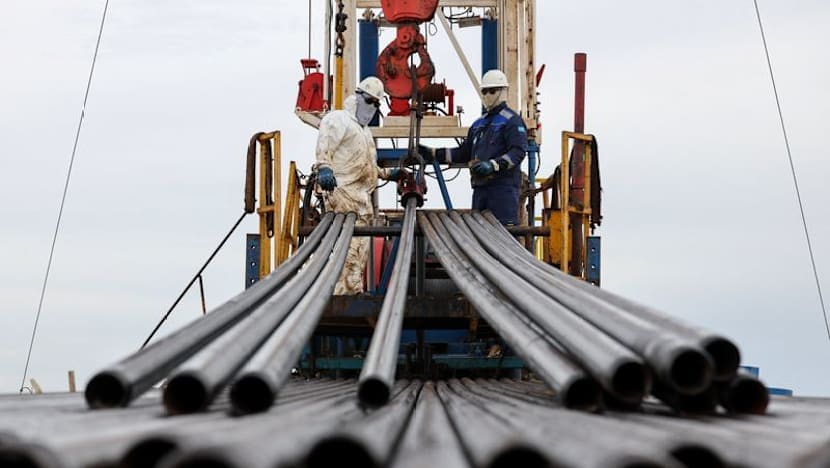
Global crude prices rose Friday, positioning Brent and West Texas Intermediate for weekly gains near 4.5 per cent after Washington signaled it would maintain indefinite naval pressure on Iran and escalate economic isolation measures.
Brent futures climbed 25 cents to $87.32 per barrel by midday GMT, a 0.29 per cent increase, while WTI added 49 cents to reach $81.74, up 0.6 per cent. Both benchmarks have strengthened throughout the week as geopolitical uncertainty around Middle Eastern energy flows intensified.
Treasury Secretary Scott Bessent told Newsmax on Thursday that the United States could sustain its naval posture around Iran without time limits while ramping up economic pressure. "Watch this space for more announcements coming next week because we are going to apply measures like have never been seen in the history of economic isolation of a country," Bessent said.
Hormuz Bottleneck Tightens
Shipping traffic through the Strait of Hormuz, the narrow waterway between Iran and the Arabian Peninsula, dropped below the month's average as both Washington and Tehran made competing claims over control of the channel. Before conflict erupted in late February, the strait carried roughly one-fifth of daily global oil and liquefied natural gas volumes.
The UAE government condemned what it described as an Iranian attack on two Abu Dhabi National Oil Company vessels transiting the strait Thursday, according to state news agency WAM. The incident underscores the fragility of energy flows through the chokepoint.
Bjarne Schieldrop at SEB Research noted that higher crude prices reflect diminishing prospects for a near-term resolution. "A return to normal flows out of the Strait of Hormuz is now suddenly without any near-term hopes," Schieldrop said.
Asia Exposure to Energy Corridor Risk
The Strait of Hormuz remains critical infrastructure for Asian economies, which rely heavily on Middle Eastern crude imports. Japan, South Korea, China, and India collectively draw a significant portion of their energy supplies through the waterway, making any sustained disruption a direct threat to industrial activity and inflation outlooks across the region.
Asian refiners and petrochemical complexes have limited alternatives if Hormuz flows remain constrained. While some buyers have increased purchases from the Atlantic Basin and West Africa, logistical costs rise sharply and available volumes cannot fully offset potential shortfalls from the Gulf.
Singapore, the region's trading and refining hub, has seen increased volatility in oil product spreads as market participants price in heightened supply risk. Traders in Tokyo and Seoul are monitoring developments closely, with contingency planning underway at state-backed energy importers.
Demand Outlook Clouds Rally
Despite the geopolitical premium, forecasts from OPEC and data from the US Energy Information Administration pointed to softer demand growth and rising inventories. US crude stocks posted their largest weekly build in more than three and a half years, suggesting consumption has not kept pace with earlier expectations.
Norbert Rucker, head of economics and next generation research at Julius Baer, said recent reports from the International Energy Agency and EIA were revealing. "Storage is holding up much better than feared, which should pull oil prices lower," Rucker said.
The tension between supply-side risk and demand-side weakness leaves crude markets in a delicate balance. If Washington follows through with additional isolation measures next week, the geopolitical premium could deepen. Conversely, evidence of weakening consumption in major economies may cap further gains and pressure prices lower in the coming weeks.
Asian buyers face a dual challenge: managing exposure to Middle Eastern supply disruptions while navigating a global demand environment that remains uncertain. How regional governments and energy importers respond to these competing forces will shape market dynamics through the remainder of the year.
RELATED STORIES
Oil Surges Past $88 as Tanker Attacks Choke Hormuz Strait
Priyanka V. Rao · 3 min
US Naval Blockade Threat Pushes Oil Above $87 as Iran Tightens Strait Control
Priyanka V. Rao · 3 min
Crude Prices Climb as Iran Tightens Grip on Hormuz Transit
Priyanka V. Rao · 3 min
OPEC+ Eyes Final Output Hike as Iraq Presses for Higher Quotas
Rajesh K. Iyer · 3 min
Spot something wrong? Email editor@briefasia.com. We log every correction publicly.