Sustainability · Energy
OPEC+ Eyes Final Output Hike as Iraq Presses for Higher Quotas
The cartel plans to add 188,000 barrels per day in September, completing the rollback of 2023 cuts even as Hormuz bottlenecks and Russian infrastructure damage limit real supply gains.
KEY TAKEAWAYS
- ·OPEC+ is expected to approve a 188,000 barrel-per-day output increase for September, completing the rollback of cuts imposed in 2022 and 2023.
- ·Many members cannot reach their official quotas due to declining capacity, Iranian disruption of the Strait of Hormuz, and Ukrainian drone strikes on Russian infrastructure.
- ·Iraq is pressing for a higher production allocation ahead of 2027 quota negotiations, while the UAE's May exit has highlighted risks to coalition cohesion.
The Last Increment
Saudi Arabia, Russia, and five other OPEC+ producers are expected to authorize a 188,000 barrel-per-day output increase for September when the group convenes online Sunday. The move will complete the reversal of the second wave of supply cuts the alliance imposed in late 2022 and 2023, according to Rystad Energy.
Between those years, OPEC+ withdrew nearly six million barrels per day from the market to arrest a slide in crude prices. The coalition then pivoted in 2025, gradually restoring volumes. The September adjustment marks the final step in that sequence, Rystad analyst Jorge Leon said.
Yet the significance of higher quotas is fading. Many member states lack the infrastructure or spare capacity to pump at their official ceiling, turning the quota exercise into an accounting ritual rather than a supply lever. Giovanni Staunovo at UBS noted that declining production capacity across the bloc has rendered target increases less meaningful.
Strait of Hormuz and Drone Strikes
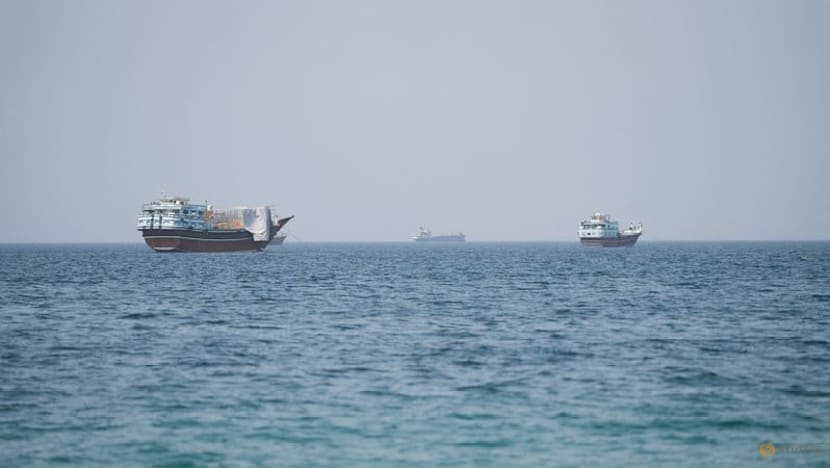
The gap between quota and reality is widest in the Gulf. Saudi Arabia, Kuwait, and Oman have struggled to lift shipments because Iranian action has brought the Strait of Hormuz close to a standstill during the regional conflict. A brief uptick in tanker traffic followed a US-Iran memorandum of understanding signed in June, but the waterway remains severely constrained.
Russia faces a different bottleneck. Repeated Ukrainian drone strikes on refineries and export terminals have kept output near nine million barrels per day, well below its 9.8 million barrel target. The attacks have damaged pumping stations in the Volga-Urals basin and export infrastructure on the Black Sea coast, limiting Moscow's ability to monetize higher quotas even if granted.
Iraq's Push and the Quota Debate
Iraq has made clear it wants a larger allocation. Baghdad argues that years of investment in southern fields and new water-injection projects justify a higher baseline. The country currently produces around four million barrels per day but has technical capacity approaching five million.
OPEC+ is now working through a process to establish maximum sustainable capacity levels for all members, according to Staunovo. That exercise will set the stage for potentially contentious negotiations over 2027 quotas once the September hike is finalized.
DNB Carnegie analysts warn that the group faces difficult talks on new production shares. The departure of the United Arab Emirates in May has exposed the fragility of internal cohesion. Abu Dhabi cited national interests and long-term strategic objectives when it announced its exit, a reference to the billions of dollars it has invested in expanding production capacity over the past five years.
Leon at Rystad said he does not see an immediate risk to the alliance's unity, but the UAE's move has set a precedent. Other members with ambitious capacity plans may weigh whether the benefits of coordination outweigh the costs of restraint.
Asia's Stake in the Balance
For buyers across Asia, the calculus is mixed. Higher OPEC+ quotas in theory mean more barrels available, but the Hormuz disruption hits the region hardest. Japan, South Korea, India, and China collectively import more than fifteen million barrels per day through the strait. Any prolonged closure would force refiners to source costlier Atlantic Basin crude or draw strategic reserves.
Chinese refiners have already begun shifting term contracts toward West African and Brazilian grades to reduce exposure to Gulf risk. Indian state-owned companies have increased spot purchases from the US and Guyana. The reorientation adds freight costs and complicates refinery optimization, but it buys insurance against a supply shock.
OPEC+ quota policy still matters for setting the floor under prices, but the group's ability to deliver incremental volume to Asia now depends less on production decisions in Riyadh or Moscow than on the security situation in the thirty-nine-kilometer-wide shipping lane between Oman and Iran.
RELATED STORIES
Brent Crude Climbs Past $93 as US Sanctions Threat Tightens Iran Oil Flows
Priyanka V. Rao · 3 min
Oil Climbs as Trump Sanctions Threat Tightens Iran Supply Outlook
Priyanka V. Rao · 3 min
US Naval Blockade Threat Lifts Oil Prices Amid Iran Strait Tensions
Priyanka V. Rao · 3 min
Oil Climbs on US Blockade Threat to Iran as Strait of Hormuz Traffic Slows
Priyanka V. Rao · 3 min
Spot something wrong? Email editor@briefasia.com. We log every correction publicly.