Asia · Trade
Japan's August Exports Rise 19.3% on Semiconductor Demand
Shipments of chips and manufacturing equipment drive growth, though pace moderates from July's surge
KEY TAKEAWAYS
- ·Japan's exports rose 19.3 per cent year-on-year in August 2026, down from July's 23.2 per cent but sustained by semiconductor and equipment shipments.
- ·Chip-related exports remain strong as Taiwan, South Korea, and US manufacturers expand fabrication capacity for AI, automotive, and consumer electronics.
- ·Growth rates are moderating as base effects fade and export concentration in semiconductors creates exposure to cyclical demand shifts.
Strong Growth Continues
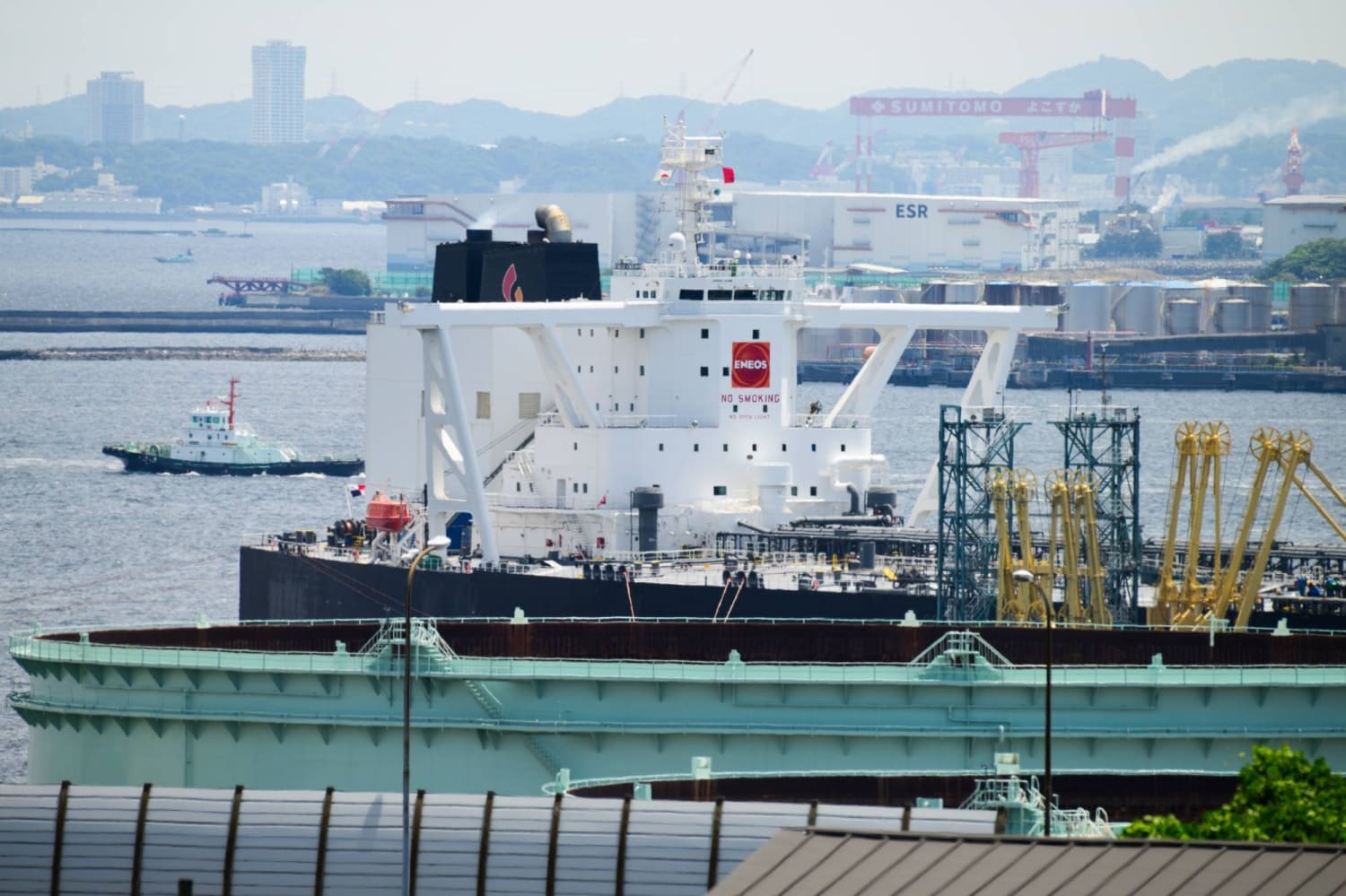
Japan recorded export growth of 19.3 per cent year-on-year in August 2026, marking another month of solid expansion driven by international demand for semiconductors and the equipment used to manufacture them. The figure represents a moderation from July's 23.2 per cent increase but maintains the momentum that has characterised Japan's trade performance through 2026.
The continued strength in chip-related shipments reflects Japan's position as a critical supplier in the global semiconductor supply chain. Japanese manufacturers produce both finished chips and the specialised tools required for fabrication, positioning the country to benefit from sustained investment in semiconductor capacity worldwide.
Semiconductor Shipments Lead
Semiconductor and chipmaking equipment exports accounted for the bulk of August's growth. Japan's semiconductor manufacturing equipment producers hold dominant market positions in lithography tools, chemical vapour deposition systems, and precision testing instruments. Demand for these products has remained elevated as chip manufacturers in Taiwan, South Korea, and the United States expand production capacity to meet requirements from artificial intelligence computing, automotive electronics, and consumer devices.
The strong performance in chip-related categories offset softer results in other export segments. Japan's diversified industrial base means that semiconductor strength can compensate for weakness in sectors such as automobiles or steel products, which face different demand dynamics.
Regional Trade Patterns
Asia remains the primary destination for Japanese exports, absorbing the majority of semiconductor equipment shipments. Taiwan and South Korea, home to the world's largest contract chipmakers and memory producers, continue to invest heavily in new fabrication facilities. China, despite facing export controls on advanced chips from Western nations, maintains demand for older-generation semiconductor equipment that Japan supplies.
Shipments to North America also contributed to August's growth. US semiconductor manufacturers have accelerated domestic capacity expansion following government subsidies introduced through industrial policy initiatives. Japanese equipment makers have secured contracts to supply tools for new fabrication plants under construction in Arizona, Texas, and Ohio.
Moderating Pace
The deceleration from July's 23.2 per cent growth rate to August's 19.3 per cent suggests that export expansion may be approaching a more sustainable trajectory. Year-on-year comparisons benefited from weak base effects in mid-2025, when global semiconductor demand experienced a cyclical trough. As those base effects diminish in coming months, growth rates are likely to moderate further even if absolute export values remain high.
Currency movements also influence Japan's export figures. The yen has traded in a relatively stable range against the US dollar through August, providing less of a tailwind than earlier in the year when a weaker yen boosted the yen-denominated value of overseas sales.
Outlook for Trade
Japan's export trajectory through the remainder of 2026 will depend on several factors. Semiconductor demand shows no signs of immediate weakness, with fabrication equipment orders remaining robust. However, the industry operates in cycles, and capacity additions currently underway will eventually lead to questions about utilisation rates and the timing of the next investment wave.
Geopolitical considerations add complexity. Export controls on semiconductor technology continue to evolve, with Japan coordinating with the United States and the Netherlands on restrictions affecting shipments to China. These measures target the most advanced equipment categories, but their scope could expand if strategic competition intensifies.
The automotive sector, traditionally a pillar of Japanese exports, faces headwinds from slowing demand in key markets and the ongoing transition to electric vehicles. Japan's automakers are investing in battery production and EV platforms, but the shift requires retooling supply chains and manufacturing processes.
Japan's trade performance in August underscores the economy's reliance on technology exports as a growth engine. Semiconductor-related shipments provide substantial support, though the concentration in this sector creates vulnerability to any downturn in chip demand. The government and industry will monitor global investment patterns closely as they assess the durability of the current export cycle.
RELATED STORIES
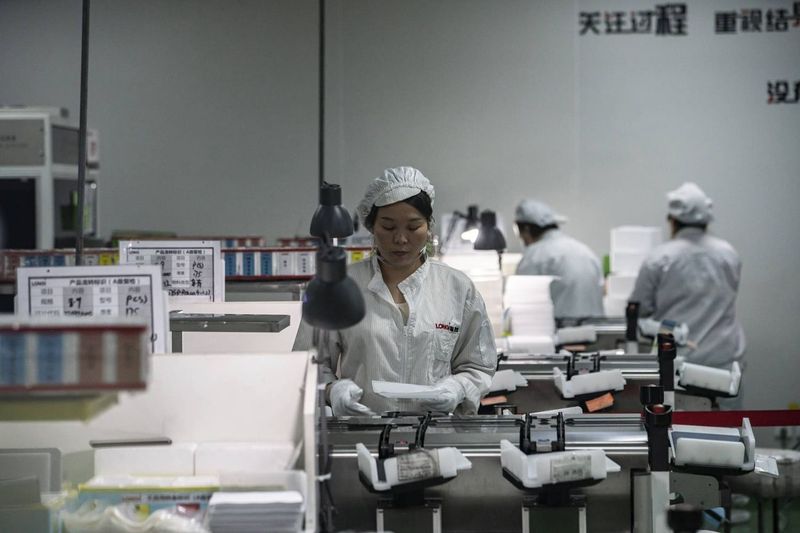
China Imposes Anti-Dumping Measures on Japanese Semiconductor Chemical Imports
Jun-ho Seo · 3 min

Honda Demands 30% Price Cuts From Suppliers in $9.4 Billion Cost Plan
Cheng Wei-Lun · 3 min

Berkshire Hathaway Eyes Larger Stakes in Japan's Top Trading Houses
Cheng Wei-Lun · 3 min

Fujitsu to Exit Commodity Hardware as AI Shifts Production Strategy
Aiko Nakamura · 4 min
Spot something wrong? Email editor@briefasia.com. We log every correction publicly.