Sustainability · Energy
US Naval Blockade Threat Pushes Oil Above $87 as Iran Tightens Strait Control
Treasury Secretary signals unprecedented economic measures as Hormuz tensions offset global demand concerns
KEY TAKEAWAYS
- ·Brent crude rose to $87.16 per barrel after the US Treasury signaled indefinite naval and economic pressure on Iran, which controls the Strait of Hormuz handling 20 percent of global oil.
- ·Two Abu Dhabi National Oil Company tankers were attacked in the strait Thursday evening, underscoring operational risks for Gulf exporters and Asian crude importers.
- ·Weekly gains near four percent were tempered by OPEC and IEA demand downgrades and the largest US inventory build in over three and a half years.
Supply Risk Returns to the Fore
Oil markets steadied above $87 per barrel on Friday as the United States signaled it would maintain indefinite naval pressure on Iran, reviving supply concerns that had briefly eased after demand forecasts weakened earlier in the week.
Brent futures climbed nine cents to $87.16 by early Asian trading, while West Texas Intermediate added four cents to $81.29. Both benchmarks remained on track for weekly gains near four percent, despite pulling back more than two percent in the previous session following a multi-day rally.
The price action reflects competing forces: tightening supply risks from the Middle East set against softening demand projections from major forecasting agencies. For now, the geopolitical premium is holding.
Washington Escalates Economic Pressure
Treasury Secretary Scott Bessent announced Thursday that the administration is preparing to impose economic measures "like have never been seen in the history of economic isolation on a country." Speaking on Newsmax, he indicated further details would emerge next week.
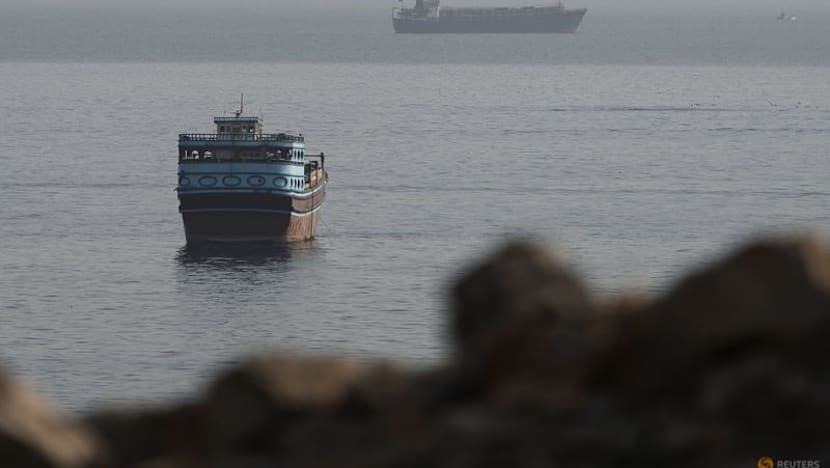
The threat comes as ceasefire negotiations have stalled and Iran continues to limit vessel traffic through the Strait of Hormuz. Before the current conflict, the strait handled roughly 20 percent of global oil flows, making any disruption there a systemic risk to Asian refiners and European buyers alike.
Hossein Taeb, recently appointed head of Iran's Basij paramilitary unit, stated that the strait remains "under the management and control of the Islamic Republic," according to Fars news. The comment underscores Tehran's willingness to use the chokepoint as leverage.
UAE Tankers Attacked in Transit
Two vessels operated by Abu Dhabi National Oil Company were attacked while passing through the strait Thursday evening, the UAE's state news agency reported. The government attributed the incident to Iran and issued a formal condemnation.
The attacks highlight the operational risks facing Gulf exporters and the shipping insurers that underwrite their cargoes. Any sustained pattern of such incidents could push freight and insurance premiums higher, adding another layer of cost to Asian crude imports.
Demand Forecasts Weigh on Sentiment
Earlier in the week, both OPEC and the International Energy Agency lowered their outlooks for demand growth, citing weaker consumption in China and slower industrial activity across Europe. The revisions helped trigger Thursday's selloff and kept a ceiling on prices despite the geopolitical headlines.
US inventory data added to the bearish demand narrative. Crude stocks posted their largest weekly build in more than three and a half years, suggesting domestic consumption remains tepid even as refinery runs approach seasonal norms.
Tim Waterer, chief market analyst at KCM, described the dynamic as two counterweights in balance. "The result is a market that remains supported but struggles to break meaningfully higher while these opposing pressures remain in place," he said.
Asia's Exposure
The standoff has particular resonance for Asian buyers. Japan, South Korea, India, and China together import millions of barrels per day through Hormuz, and alternative routes via pipeline or longer tanker voyages carry higher costs and logistical complexity.
If the blockade persists or Iran further restricts passage, Asian refiners may need to draw more heavily on Atlantic Basin crudes or stockpiles, tightening regional balances and potentially widening the Brent-Dubai spread.
Singapore trading desks are already pricing in a higher risk premium for Middle East grades, and term buyers are reportedly seeking force majeure clauses in new contracts to hedge against supply interruptions.
What Comes Next
Market participants are now watching for the Treasury's promised announcements next week. Additional sanctions targeting Iranian crude exports, petrochemical sales, or shipping networks could further constrain supply, though enforcement will depend on cooperation from Asian and European counterparties.
At the same time, any sign that ceasefire talks are resuming could quickly deflate the geopolitical premium, particularly if OPEC spare capacity remains ample and US shale producers continue to add rigs.
For now, oil is caught between a tightening physical backdrop in the Gulf and a weakening macroeconomic outlook globally. That tension is likely to keep prices range-bound unless one side decisively tips the balance.
RELATED STORIES
Crude Prices Climb as Iran Tightens Grip on Hormuz Transit
Priyanka V. Rao · 3 min
OPEC+ Eyes Final Output Hike as Iraq Presses for Higher Quotas
Rajesh K. Iyer · 3 min
Tehran's New Conditions Push Brent Back Above $84
Priyanka V. Rao · 4 min
Brent Crude Climbs Past $84 as Hormuz Talks Stall on US Compensation Demand
Priyanka V. Rao · 4 min
Spot something wrong? Email editor@briefasia.com. We log every correction publicly.