Finance · Banking
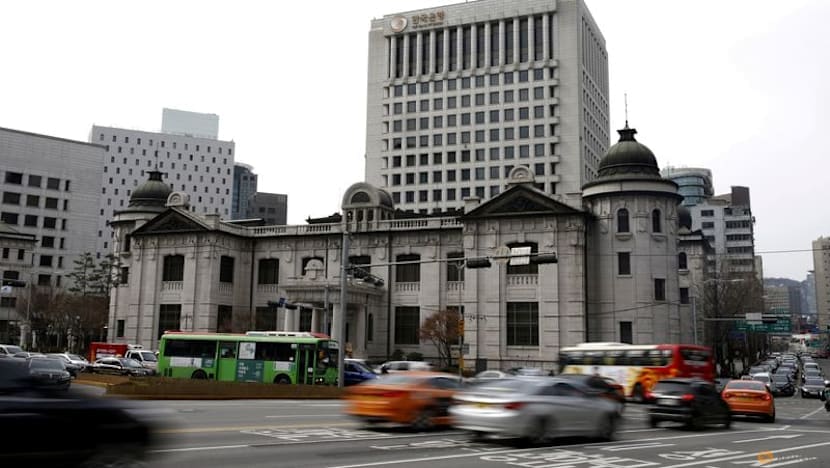
Bank of Korea Signals Cautious Approach to Future Rate Decisions
Senior Deputy Governor Kwon Min-soo emphasizes flexibility and careful deliberation as the central bank navigates inflation, growth, and financial stability concerns
KEY TAKEAWAYS
- ·Bank of Korea's new Senior Deputy Governor Kwon Min-soo says rate decisions will be made carefully and flexibly, considering growth, inflation, financial stability, and side effects of tightening.
- ·South Korea's economic growth is exceeding expectations while inflation remains above target, creating a complex policy environment ahead of the August 27 meeting.
- ·The won has strengthened to 11-month highs, and the central bank will monitor currency movements as a policy variable despite fundamentals suggesting further appreciation.
A Measured Stance on Rates
The Bank of Korea's newly appointed senior deputy governor opened his three-year term with a pledge to handle monetary policy with heightened caution, signaling that future rate decisions will balance multiple economic pressures rather than follow a predetermined path.
Senior Deputy Governor Kwon Min-soo told reporters on Friday that policy choices would be made "very carefully" and with flexibility, taking into account not only economic growth and inflation but also financial stability and the potential drawbacks of raising interest rates. The comments came on his first day in the role and ahead of the central bank's August 27 policy meeting.
"It is time to make policy decisions very carefully, and flexibly if needed," Kwon said, according to the central bank. He emphasized that rate hike side effects would be weighed alongside their intended benefits.
Economic Crosscurrents
Kwon noted that South Korea's economic growth has been improving more robustly than anticipated, while inflation continues to run above the central bank's target. Financial stability risks persist, and the deputy governor also flagged foreign exchange volatility and geopolitical uncertainties as factors shaping policy considerations.
The remarks reflect the delicate position facing Asia's fourth-largest economy. Last month, the Bank of Korea raised interest rates for the first time in three and a half years, citing brisk growth that was stoking inflation risks. The move marked a shift after a prolonged pause, and the central bank indicated that additional tightening could follow.
Kwon, who will serve as a member of the seven-seat monetary policy board, declined to characterize himself as either a hawk or a dove when asked by reporters. Instead, he said policy decisions would be driven by economic conditions and data, underscoring a pragmatic approach.
Currency Strength and External Factors
The South Korean won has appreciated sharply since last month, trading near 11-month highs on Friday. Kwon acknowledged the currency's strength but said it would remain a policy variable to monitor, given the array of external factors at play. He noted that while economic fundamentals suggest further won appreciation, the central bank would continue to consider exchange rate movements in its deliberations.
The won's recent rally reflects improved investor sentiment toward South Korea's growth outlook and the central bank's tightening bias. However, a stronger currency can weigh on export competitiveness, a key concern for an economy heavily reliant on overseas sales.
What Comes Next
The Bank of Korea's next policy meeting on August 27 will be closely watched for clues on the pace and magnitude of future rate increases. Kwon's emphasis on careful, data-driven decisions suggests the central bank is unlikely to rush into aggressive tightening, even as inflation remains above target.
The central bank's challenge is to cool price pressures without derailing the economic recovery or triggering financial instability. With growth exceeding expectations and inflation still elevated, the policy path remains uncertain. Kwon's comments indicate that the bank will weigh each decision individually rather than commit to a fixed tightening cycle.
South Korea's experience mirrors broader dynamics across Asia, where central banks are navigating the tension between supporting growth and containing inflation. The region's policymakers have taken divergent approaches, with some moving quickly to tighten while others remain on hold. Korea's careful stance reflects both the strength of its recent economic performance and the complexity of the risks ahead.
RELATED STORIES
Seoul's Semiconductor Surge Fuels Debate Over Central Bank Tightening
Cheng Wei-Lun · 3 min
South Korea's Producer Prices Drop as Oil Costs Ease
Cheng Wei-Lun · 3 min
South Korea's Import Prices Drop 1% in July on Currency Strength and Lower Oil
Cheng Wei-Lun · 2 min
Seoul's Leveraged ETF Experiment Leaves Retail Investors Nursing Psychiatric Wounds
Jun-ho Seo · 4 min
Spot something wrong? Email editor@briefasia.com. We log every correction publicly.