Finance · Markets
South Korea's Import Prices Drop 1% in July on Currency Strength and Lower Oil
The second consecutive monthly decline reflects won appreciation and easing crude costs, though annual figures still show inflationary pressure
KEY TAKEAWAYS
- ·South Korea's import price index fell 1 percent in July, the second consecutive monthly decline, driven by won appreciation and softer oil prices.
- ·The annual import price index still rose 18.7 percent in July, reflecting earlier currency weakness and elevated commodity costs from 2025.
- ·Continued won stability and soft energy markets could ease inflationary pressure, giving the Bank of Korea more policy flexibility in coming months.
Currency and Commodity Forces Align
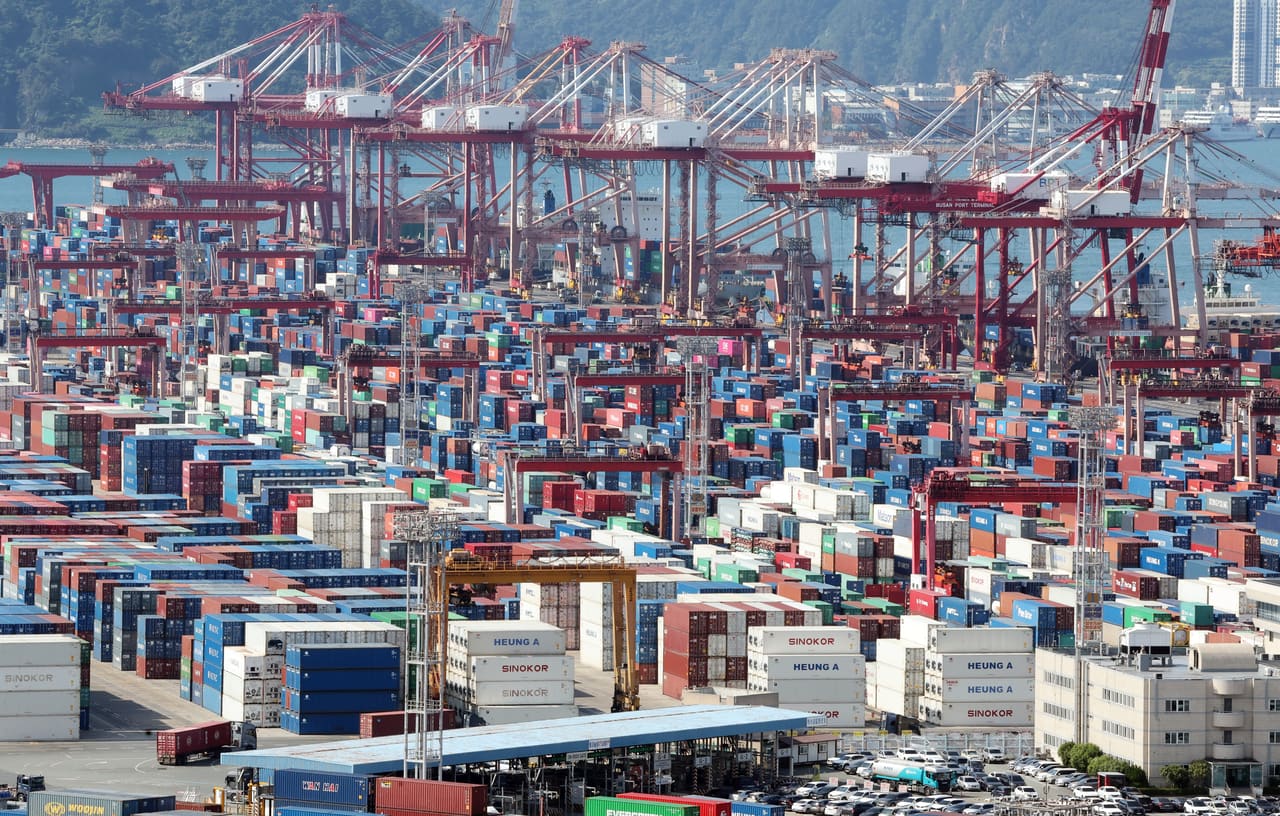
South Korea's import prices declined for the second straight month in July, pulled down by a firmer won and softer crude prices even as geopolitical tensions in the Middle East kept energy markets on edge. The import price index dropped 1 percent from June, following a sharper 4.2 percent slide the previous month, according to preliminary data from the Bank of Korea released Friday.
The monthly retreat masks persistent inflationary pressure from a year-ago perspective. On an annual basis, the index climbed 18.7 percent in July, reflecting the compound effect of earlier won weakness and elevated commodity costs that have worked through the supply chain over the past twelve months.
Won Appreciation Cuts Dollar-Denominated Costs
The central bank attributed the month-on-month decline primarily to won strength against the US dollar. A stronger domestic currency reduces the won-denominated cost of imports priced in dollars, which include crude oil, industrial materials, and a wide range of manufactured goods. The won's appreciation has offered Korean importers and manufacturers relief from the cost pressures that built up earlier in the year when the currency traded at weaker levels.
Oil prices also contributed to the July decline. Crude markets have softened in recent weeks despite ongoing uncertainties in the Middle East, where supply risks remain elevated. Lower petroleum costs flow quickly into import price indices, given that energy accounts for a substantial share of South Korea's total import bill. The country relies heavily on imported oil and gas to fuel its manufacturing sector and power generation.
Divergence Between Monthly and Annual Trends
The contrast between the monthly drop and the nearly 19 percent annual gain highlights the lag effect in inflation data. While recent months have seen downward pressure from currency and commodity dynamics, the year-on-year comparison still captures the impact of earlier won depreciation and the surge in global commodity prices that began in late 2025. Import price inflation feeds into producer costs and, with a delay, consumer prices, making the annual figure a key input for monetary policy deliberations.
For the Bank of Korea, the sequential declines in June and July offer some breathing room. Policymakers have been balancing concerns about imported inflation with the need to support domestic growth. A sustained easing in import prices, if it continues, could reduce the urgency of further rate adjustments and give the central bank more flexibility to monitor domestic demand and labor market conditions.
Outlook Hinges on Currency and Energy Markets
The trajectory of import prices in the coming months will depend on two main variables: the won-dollar exchange rate and global oil markets. Any renewed weakness in the won or a spike in crude prices tied to Middle East supply disruptions could reverse the recent downward trend. Conversely, continued currency stability and soft energy prices would extend the relief for importers and dampen inflationary pressures across the economy.
South Korea's heavy reliance on imported energy and raw materials makes it particularly sensitive to shifts in both currency and commodity markets. The July data suggests that, for now, those forces are working in favor of lower import costs. Whether that continues will shape inflation expectations and policy choices in Seoul as the year progresses.
RELATED STORIES
South Korea's Economy Holds Steady as Stock Market Volatility Tests Investor Nerves
Cheng Wei-Lun · 3 min
Seoul Equities Jump 2.7% as Inflation Easing Lifts US Markets
Cheng Wei-Lun · 3 min
Seoul Tech Stocks Surge 5% as US Inflation Data Lifts Asian Markets
Cheng Wei-Lun · 3 min
LG Energy Solution Locks in $3.8 Billion LFP Deal with Chinese Supplier
Cheng Wei-Lun · 3 min
Spot something wrong? Email editor@briefasia.com. We log every correction publicly.