Finance · Markets
South Korea's Economy Holds Steady as Stock Market Volatility Tests Investor Nerves
First-half GDP growth accelerates to 3.8 percent while equity turbulence remains contained to trading floors, exposing a disconnect between market sentiment and underlying strength
KEY TAKEAWAYS
- ·South Korea's economy expanded 3.8 percent year-on-year in the first half of 2026, accelerating from 1.8 percent in the previous six months.
- ·Stock-market volatility has not spread to the financial system, with banking indicators, credit conditions, and foreign-exchange reserves all remaining stable.
- ·Shipbuilding, biohealth, cosmetics, and semiconductor exports are driving growth, reducing dependence on any single sector for economic momentum.
Growth Momentum Defies Market Noise
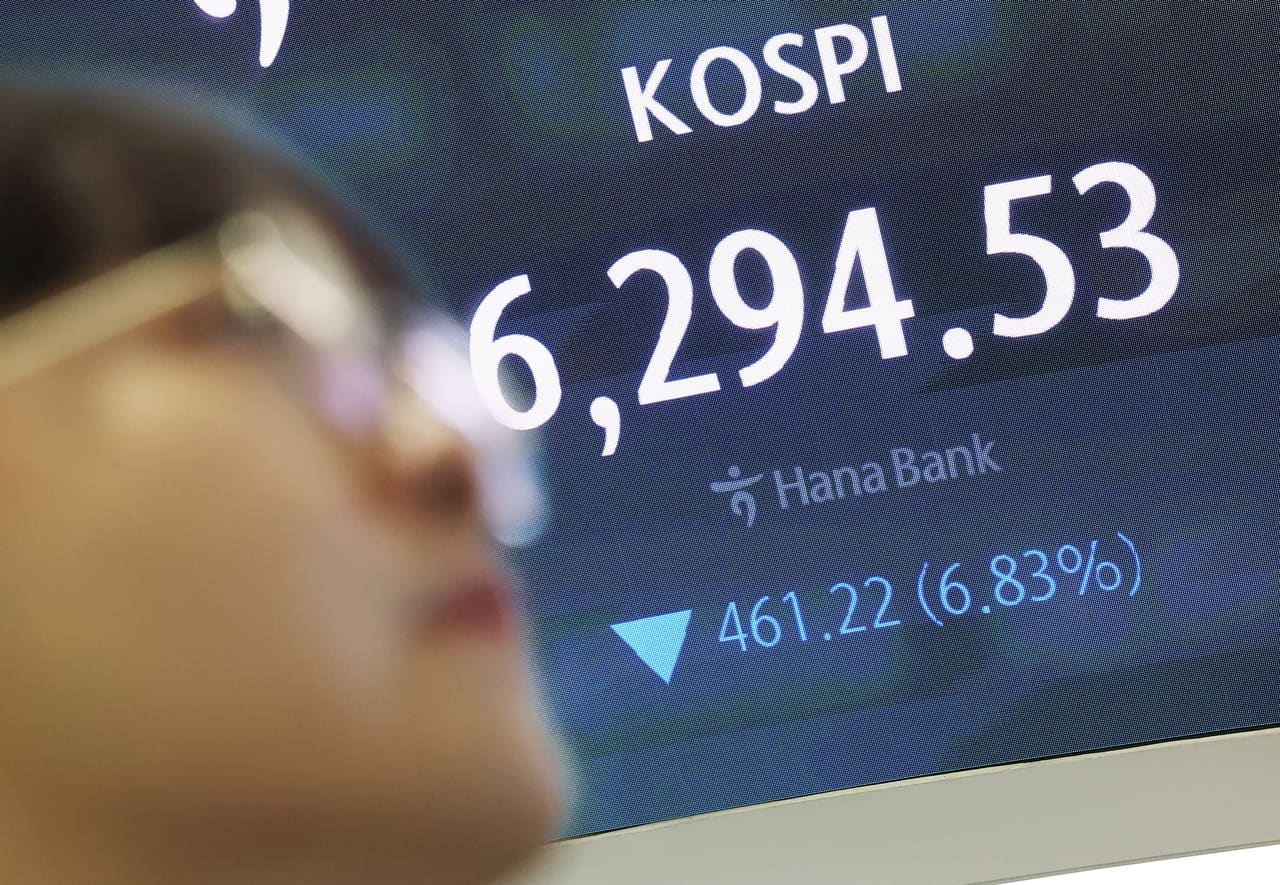
South Korea's economy expanded 3.8 percent year-on-year in the first half of 2026, more than doubling the 1.8 percent pace recorded in the second half of last year. The acceleration arrives amid sharp equity-market swings that have unsettled investor sentiment yet failed to penetrate the country's broader financial architecture or real economy.
Domestic consumption has proven resilient through the market turbulence. Household spending patterns show little sign of the caution typically associated with prolonged equity declines, and credit conditions remain stable across both consumer and corporate lending channels.
The divergence between trading-floor volatility and economic performance underscores a structural disconnect. While headline indices have whipsawed through wide intraday ranges, the underlying drivers of output, employment, and investment continue to function without material disruption.
Sector Rotation Powers Expansion
The first-half growth spurt draws strength from multiple industries rather than a single export pillar. Shipbuilding orders have surged on the back of global fleet renewal cycles and decarbonization mandates, with Korean yards securing contracts for liquefied natural gas carriers and container vessels at rates not seen since the pre-2008 boom.
Biohealth exports have climbed as Korean pharmaceutical and diagnostics firms win regulatory approvals in North America and Europe. Contract manufacturing partnerships with multinational drug developers have added high-margin revenue streams, while domestic biotech startups attract venture capital at levels that rival previous peaks.
Cosmetics shipments continue to expand, particularly into Southeast Asian markets where Korean beauty brands command premium shelf space. The category's resilience reflects both brand loyalty and the sector's ability to pivot quickly to direct-to-consumer channels when traditional retail slows.
Semiconductors remain a core contributor. Memory-chip demand from cloud-service providers and artificial-intelligence infrastructure builders has sustained production volumes at major fabrication plants, even as spot prices oscillate. Capital expenditure on next-generation process nodes proceeds on schedule, signaling industry confidence in medium-term demand trajectories.
Financial System Shows No Stress
Banking-sector indicators reveal no transmission of equity-market volatility into credit markets. Loan-to-deposit ratios remain within historical norms, and interbank lending rates have held steady. Corporate bond spreads have widened modestly but remain well below levels that would suggest systemic concern.
Regulatory capital buffers at major financial institutions exceed Basel III requirements by comfortable margins. Stress tests conducted in recent months show that even severe equity-market scenarios would leave core banks with adequate capital to absorb losses without curtailing lending.
Household balance sheets display limited direct exposure to equity markets relative to other advanced economies. The majority of retail savings remain in bank deposits, real estate, and insurance products, insulating consumer spending from mark-to-market fluctuations in listed securities.
Foreign-exchange reserves stand at robust levels, providing ample ammunition to smooth currency volatility should capital flows reverse abruptly. The central bank has refrained from intervention, viewing recent won movements as orderly adjustments rather than disorderly retreats.
Policy Levers Remain Available
Monetary authorities retain flexibility to respond should market turbulence begin to weigh on real activity. Interest rates sit at levels that permit cuts without entering deeply accommodative territory, and inflation readings give policymakers room to maneuver without risking price-stability mandates.
Fiscal space exists for targeted support measures if specific sectors show strain. Government debt ratios remain among the lowest in the OECD, and bond markets continue to absorb sovereign issuance without demanding higher yields.
The absence of systemic financial stress means policymakers can afford to watch and wait rather than deploy emergency measures. This patience reflects confidence that current volatility stems from sentiment shifts and technical trading dynamics rather than deteriorating fundamentals.
Confidence Gap Narrows Slowly
The challenge for Korean authorities lies in bridging the perception gap between market anxiety and economic reality. Equity investors focus on near-term earnings revisions and global risk appetite, while GDP data capture longer-cycle trends in production, employment, and investment.
Closing this gap requires sustained evidence that corporate earnings will track the economy's upward trajectory. Early second-quarter results from major exporters will provide the first test of whether profit growth can match output expansion.
If earnings disappoint despite strong macro data, the disconnect may persist or widen. Conversely, positive surprises could catalyze a sentiment shift that brings equity valuations back into line with underlying economic performance.
For now, South Korea's economy continues to advance while its stock market searches for direction. The durability of this divergence will depend on whether corporate fundamentals validate the optimism embedded in GDP figures or the caution reflected in equity prices.
RELATED STORIES
Fitch Flags Market Concentration Risk After Korea Stock Sell-Off
Cheng Wei-Lun · 4 min
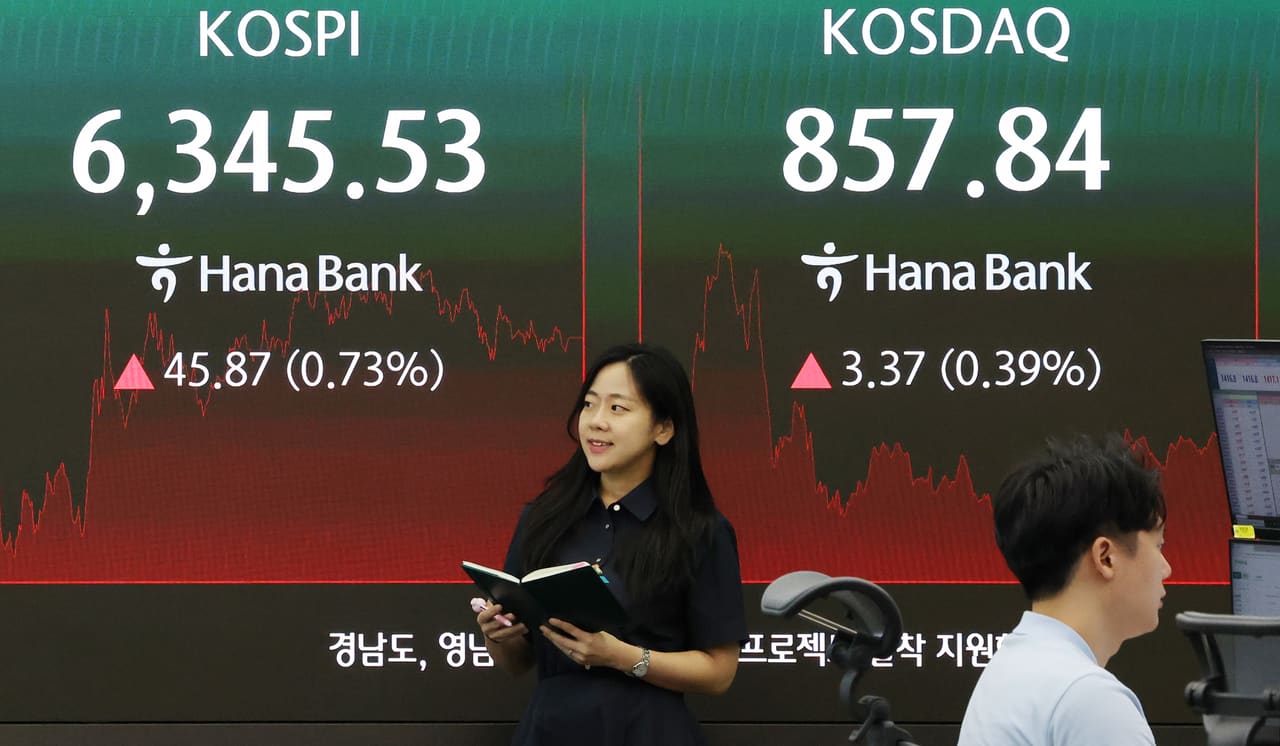
Seoul Stocks Climb on Semiconductor Rally Amid Bargain Buying
Cheng Wei-Lun · 3 min
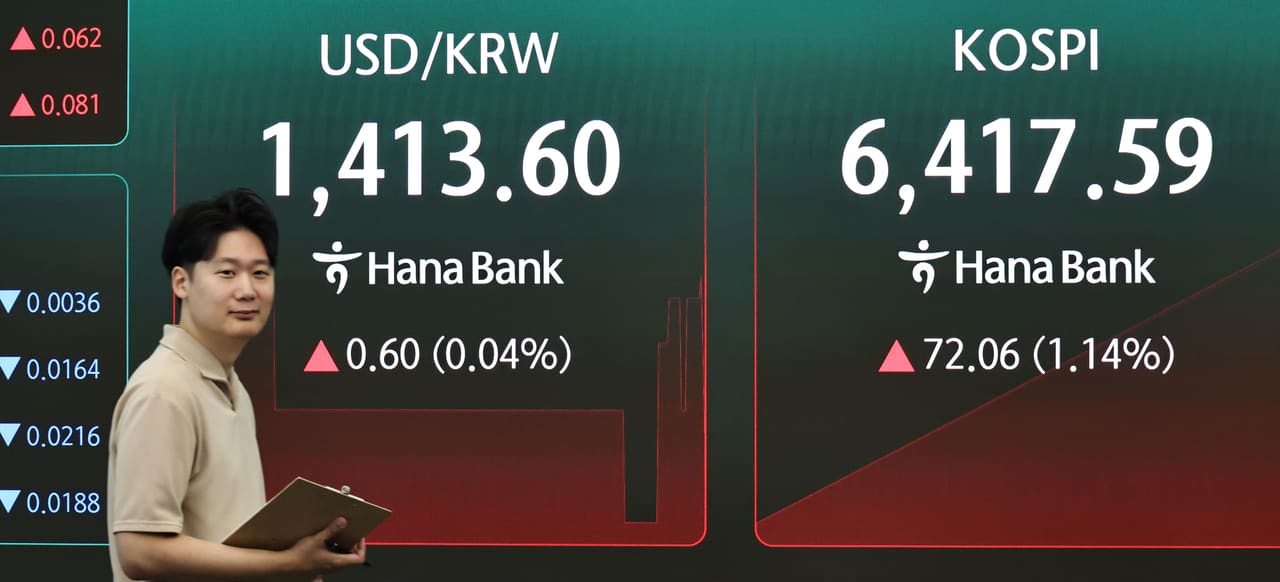
Seoul's Tech Stocks Rally While Wall Street Retreats on Iran Tensions
Cheng Wei-Lun · 5 min
South Korea's Labor Market Shows Fragile Recovery Amid Industrial Headwinds
Jun-ho Seo · 4 min
Spot something wrong? Email editor@briefasia.com. We log every correction publicly.