Finance · Markets
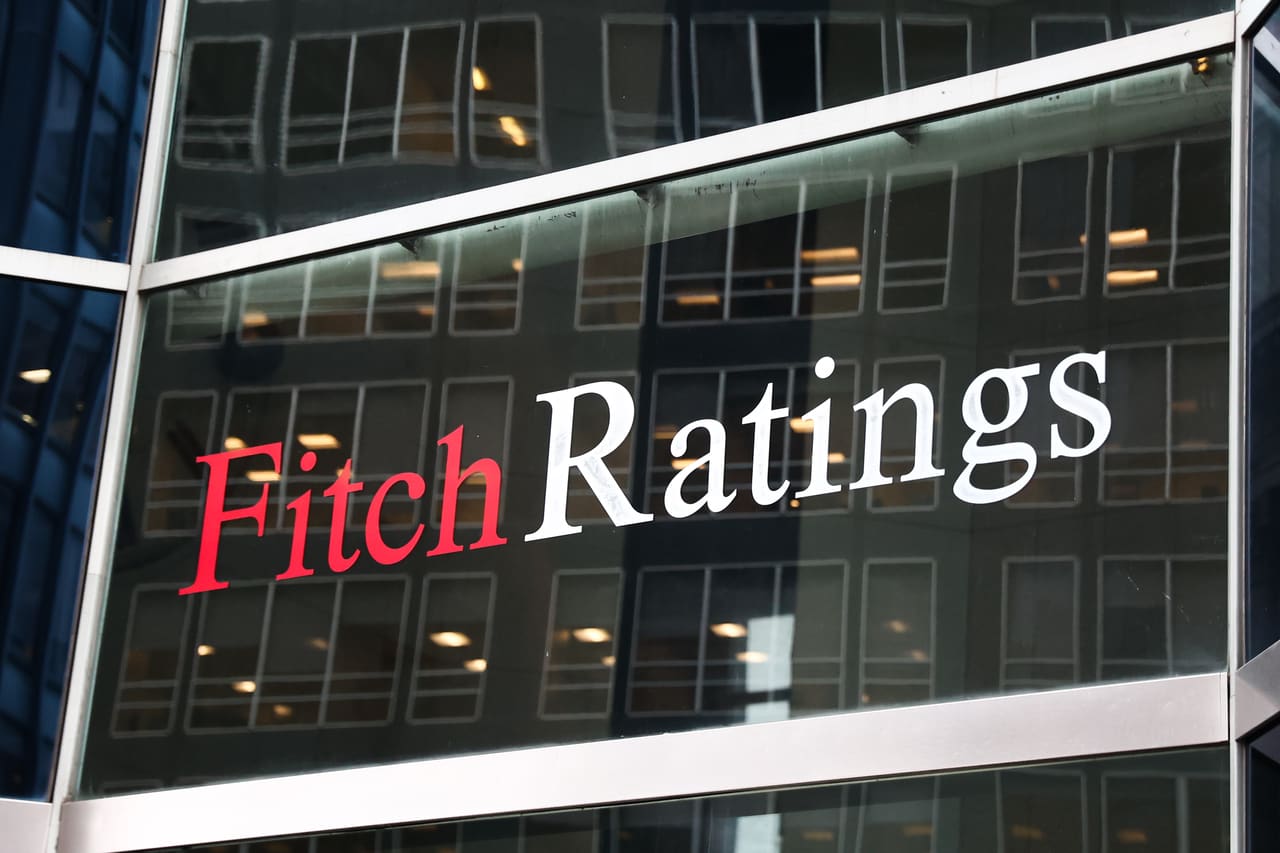
Fitch Flags Market Concentration Risk After Korea Stock Sell-Off
Rating agency sees limited credit contagion but warns leveraged products and narrow market breadth amplify volatility in Asia's fourth-largest economy
KEY TAKEAWAYS
- ·Fitch Ratings reports no significant credit contagion from South Korea's recent equity market volatility, though structural weaknesses remain visible.
- ·Market concentration in a handful of large-cap stocks and the rapid growth of leveraged investment products amplify sentiment-driven price swings.
- ·Regulators face pressure to balance market access with investor protection as retail participation and leverage continue to rise.
Credit Stress Contained for Now
South Korea's recent equity market turbulence has not yet triggered broader credit deterioration, according to Fitch Ratings, though the rating agency identified underlying structural vulnerabilities that could accelerate future volatility. The assessment comes after sharp declines in Korean equity benchmarks exposed the fragility of a market dominated by a handful of large-cap names and increasingly reliant on leveraged investment products.
Rowena Chen, who leads Asia-Pacific nonbank financial institution ratings at Fitch, noted that while immediate credit spillover remains limited, the episode revealed how market structure amplifies sentiment-driven price swings. The observation underscores a persistent challenge for Korean policymakers: balancing capital market deepening with stability in an economy where household and institutional participation in equities has surged over the past three years.
Concentration Amplifies Sentiment Swings
Korean equity indices remain heavily weighted toward a narrow set of technology and manufacturing giants. Samsung Electronics alone accounts for more than a fifth of the KOSPI benchmark by market capitalization, while the top ten constituents represent roughly half of total index value. This concentration means that sector-specific shocks or shifts in global risk appetite can produce outsized moves in headline indices, creating feedback loops that ripple through retail and institutional portfolios.
Fitch's concern centers on how this structure interacts with investor behavior. When sentiment sours, concentrated indices offer fewer places to hide, and the resulting volatility can force margin calls, trigger stop-loss orders, and prompt deleveraging across linked products. The dynamic is not unique to Korea, but the scale of retail participation and the growth of structured products make the market particularly sensitive.
Leveraged Products Accelerate Volatility
The rapid expansion of leveraged and inverse exchange-traded products has added another layer of complexity. These instruments, designed to deliver multiples of daily index performance, have grown popular among retail traders seeking magnified returns. During periods of stress, however, they can amplify selling pressure as issuers rebalance underlying positions to maintain target exposure ratios.
Fitch highlighted that the speed and magnitude of price moves can intensify when leveraged products unwind in tandem. The phenomenon was visible during the recent sell-off, when intraday swings widened and trading volumes spiked. While the products themselves represent a relatively small share of total market capitalization, their impact on liquidity and price discovery during volatile sessions is disproportionate.
Nonbank Financial Institutions in Focus
The rating agency's assessment also touched on the resilience of nonbank financial institutions, including securities firms and asset managers, which have expanded their exposure to retail equity products over the past several years. So far, Fitch sees no signs of capital adequacy or liquidity stress within this segment, but the agency is monitoring how prolonged volatility might affect fee income, margin lending books, and investor redemptions.
Korean securities firms have built substantial margin lending portfolios, enabling retail clients to amplify equity bets. A sustained downturn could force margin calls and increase credit risk if borrowers default. Asset managers, meanwhile, face the risk of redemption pressure if retail sentiment turns durably negative, though outflows have remained manageable to date.
Regulatory and Policy Implications
Korean financial regulators have in recent years sought to encourage broader equity market participation as part of efforts to deepen capital markets and reduce reliance on bank lending. The government introduced tax incentives for long-term equity investment and relaxed rules around retail access to derivatives and structured products. While these measures succeeded in drawing household savings into equities, they also increased the system's sensitivity to market downturns.
Fitch's comments suggest that regulators may need to revisit the balance between market access and investor protection, particularly as leveraged products proliferate. Enhanced disclosure requirements, stricter suitability standards, and tighter leverage limits on retail-oriented products are among the tools authorities could deploy to mitigate systemic risk without stifling market development.
Watching for Contagion Channels
The key question is whether equity market stress remains contained or begins to affect credit conditions more broadly. Possible transmission channels include margin calls that force asset sales, reduced consumer confidence that dampens spending, and tighter financial conditions if volatility spills into corporate bond or funding markets. Fitch's current view is that these channels remain dormant, but the agency emphasized the importance of continued surveillance given the interconnectedness of Korea's financial system.
For investors and policymakers alike, the episode serves as a reminder that market structure matters as much as fundamentals. Concentration and leverage can magnify both upside and downside moves, and the speed of modern trading infrastructure means that stress can propagate faster than traditional circuit breakers can contain. Korea's experience offers a case study in how rapid financial innovation and democratized market access create new stability challenges even in well-regulated, developed markets.
RELATED STORIES

Hanwha Bids Up to $1.2 Billion for Austal's US Shipyard
Cheng Wei-Lun · 2 min
South Korea Delays After-Hours ETF Trading Over Pricing Concerns
Cheng Wei-Lun · 3 min

South Korea Signals More Rate Hikes After July's First Increase in Three Years
Jun-ho Seo · 3 min
Seoul Stocks Climb on Semiconductor Rally Amid Bargain Buying
Cheng Wei-Lun · 3 min
Spot something wrong? Email editor@briefasia.com. We log every correction publicly.