Finance · Banking
South Korea Signals More Rate Hikes After July's First Increase in Three Years
Senior deputy governor cites robust growth and persistent inflation as central bank prepares to tighten further despite market stabilization
KEY TAKEAWAYS
- ·The Bank of Korea plans additional rate increases after July's first hike in three years, driven by strong growth and persistent inflation.
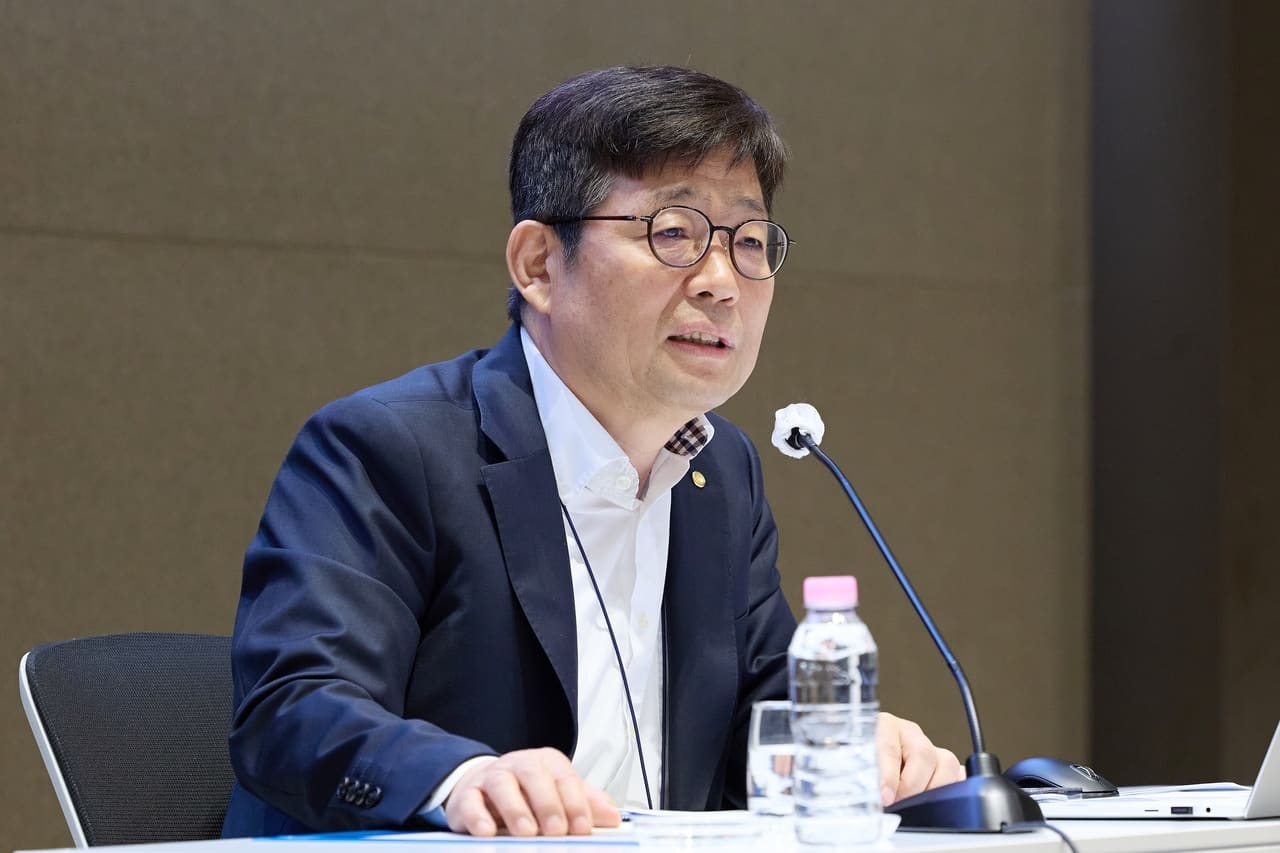
- ·Senior Deputy Governor Ryoo Sang-dai cited unprecedented income growth and financial stability risks as key factors supporting continued tightening.
- ·The central bank's stance contrasts with some regional peers and signals a data-driven approach prioritizing inflation control over market volatility.
Policy Shift Gains Momentum
The Bank of Korea intends to pursue additional interest rate increases following its July move, the first upward adjustment in over three years. Senior Deputy Governor Ryoo Sang-dai outlined the rationale during a Tuesday press conference, pointing to sustained economic expansion and stubborn inflation as primary considerations.
The July rate hike marked a significant pivot for the central bank, which had maintained a prolonged pause amid efforts to support growth. Now, policymakers are shifting focus toward price stability and financial system risks, even as currency and equity markets have shown recent signs of stabilization.
Growth and Inflation Drive Decision
Ryoo emphasized that the economic backdrop supports continued tightening. According to the senior deputy governor, growth is projected to remain firm, underpinned by what he described as unprecedented income gains across the economy. This income momentum is providing households and businesses with spending power that has sustained demand.
At the same time, underlying inflation pressures have proven persistent. While headline consumer price figures have moderated from their peaks, core inflation metrics remain elevated, complicating the central bank's task. The combination of strong growth and sticky inflation creates a policy environment that favors higher borrowing costs.
Financial Stability Concerns Mount
Beyond inflation, the central bank is monitoring financial stability risks that could intensify if rates remain too low for too long. Rapid credit growth, elevated household debt levels, and property market dynamics all factor into the policy calculus. Ryoo's comments suggest the BOK views preemptive rate increases as necessary to prevent imbalances from building further.
The won's recent stabilization and a calmer stock market have not altered the central bank's trajectory. While these developments reduce some near-term volatility concerns, they do not address the fundamental pressures driving the tightening cycle. The BOK appears committed to a data-driven approach that prioritizes inflation control and financial system resilience over short-term market movements.
Regional Context and Policy Divergence
South Korea's monetary tightening unfolds against a backdrop of varied policy stances across Asia. Some regional central banks have paused or even begun easing, responding to slower growth or contained inflation in their own economies. The BOK's decision to press ahead with hikes reflects Korea's distinct economic conditions, including robust domestic demand and labor market strength.
The trajectory also carries implications for capital flows in the region. Higher Korean rates could attract portfolio investment, supporting the won and potentially influencing funding costs for regional borrowers. At the same time, tighter policy may cool some of the domestic demand that has supported imports from neighboring economies.
What Comes Next
The central bank has not specified the magnitude or timing of future rate moves, leaving room for flexibility as new data emerges. Markets will watch upcoming inflation reports, wage growth figures, and credit expansion metrics for clues about the pace of tightening. The BOK's next policy meeting will offer further insight into how officials weigh competing considerations.
For now, Ryoo's remarks underscore a clear message: the July rate hike was the beginning of a cycle, not a standalone adjustment. With growth holding up and inflation proving sticky, the central bank sees more work ahead to bring monetary conditions into alignment with its objectives. How far rates ultimately rise will depend on how the economy responds to this initial tightening and whether inflation pressures begin to ease in earnest.
RELATED STORIES
Seoul Stocks Climb on Semiconductor Rally Amid Bargain Buying
Cheng Wei-Lun · 3 min
Seoul Stocks Snap Two-Day Slide on Chip Rally
Cheng Wei-Lun · 3 min
Hanwha Bids Up to $1.2 Billion for Austal's US Shipyard
Cheng Wei-Lun · 2 min
Fitch Flags Market Concentration Risk After Korea Stock Sell-Off
Cheng Wei-Lun · 4 min
Spot something wrong? Email editor@briefasia.com. We log every correction publicly.