Travel & Dining · Trends
China's Tourism Revival Hits 35 Million Foreign Arrivals in 2025
Visa-free access for 50 countries and aggressive social media campaigns drive a 20 per cent surge in first-half 2026 visitors, reshaping retail and soft-power prospects across major cities.
KEY TAKEAWAYS
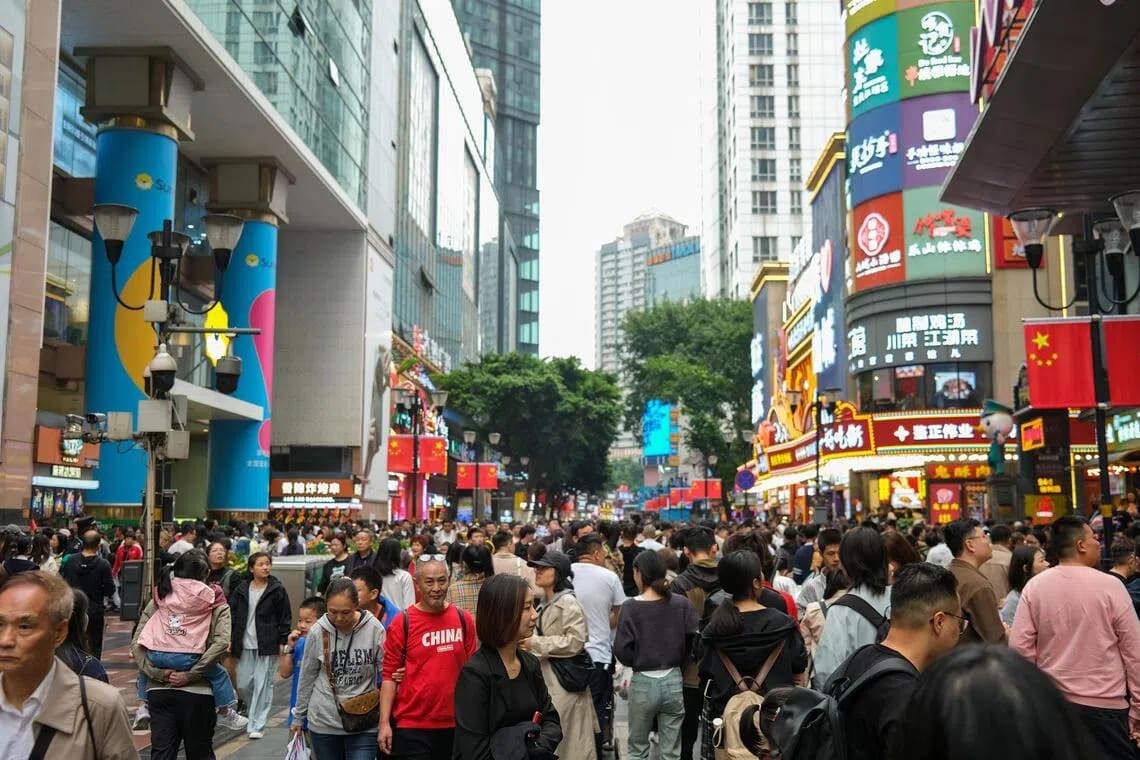
- ·China welcomed 35 million foreign tourists in 2025, exceeding pre-pandemic levels, with first-half 2026 arrivals from visa-free countries reaching 18 million and driving a 20 per cent overall increase.
- ·Beijing and Shanghai allocated millions of yuan to tourism promotion, funding foreign-language tour guides and campaigns on Expedia, Booking.com, and platforms like X and TikTok banned inside China.
- ·Foreign visitors now account for up to 70 per cent of foot traffic at flagship retail stores in Shanghai, with Miniso overseas revenue surpassing mainland sales and growing 20 per cent year on year.
Visa-Free Push Delivers Results
China recorded 35 million foreign tourist arrivals in 2025, exceeding pre-pandemic figures for the first time since border restrictions lifted, data from the National Bureau of Statistics show. The milestone caps a two-year effort that began in 2023 when Beijing introduced visa-free travel for citizens of 50 countries, a policy designed to reverse the reputational damage wrought by lengthy Covid lockdowns.
In the first six months of 2026, arrivals from visa-free nations reached 18 million, lifting total foreign visitor numbers by 20 per cent year on year. South Korea, Russia, Malaysia, and Thailand accounted for the largest shares of the inbound traffic. Beijing saw sharp increases in Vietnamese and Russian tourists during the same period, while Japanese visitor counts declined amid a diplomatic dispute between the two governments.
The figures place China just below Japan and Malaysia in total annual arrivals, and ahead of Thailand, underscoring the speed of the recovery. Tourist spending also returned to pre-2020 levels in 2025, though per-capita expenditure remains modest. Trip.com data peg average inbound spend at around 2,240 US dollars per visitor, roughly 40 per cent of the US benchmark. Total tourism receipts still trail far behind the United States, generating less than one third of American inbound revenue.
Local Budgets Back Digital Campaigns
Municipal governments have committed fresh funding to tourism promotion offices, a notable outlay at a time when local finances are stretched. Beijing allocated an additional 2.64 million yuan in 2026 to cover new headcount and launch online publicity projects, part of which funded rewards for travel agencies that recruit foreign-language tour guides. Shanghai earmarked at least 1.6 million yuan for campaigns on Expedia and Booking.com this year, procurement documents confirm.
Officials have also embraced platforms banned inside China to reach international audiences. Tourism bureaus in cities including Chongqing opened accounts on X and TikTok, deploying influencer partnerships and celebrity endorsements to amplify reach. Zhu Mao, deputy director general of tourism in Chongqing, said he aimed to make the mountainous megacity "internet famous" and enlisted American basketball player Stephen Curry to boost visibility.
The strategy appears to be working. Favourable views of China reached record highs in several countries during 2025, Pew Research Center polling indicates, as geopolitical shifts reshaped global perceptions. Online trends such as "Chinamaxxing," in which Western users adopt Chinese lifestyle habits like drinking hot tea, gained traction on social media, further raising the country's profile among younger travelers.
Retail Sector Sees Windfall
The influx has delivered a much-needed lift to Chinese retail, which has struggled with sluggish domestic consumption and a property market downturn. At the Miniso flagship store on Shanghai's Nanjing East Road, foreign visitors represent up to 70 per cent of foot traffic during peak hours, drawn by collaborations with Chiikawa, Sanrio, Harry Potter, and Disney. Miniso reported that overseas revenue surpassed mainland China sales and grew 20 per cent year on year, fueled by social media exposure from international shoppers.
Joy Group, the parent company of beauty brands Judydoll and Joocyee, generated more than 600 million yuan in overseas retail sales in 2025. Judydoll achieved tenfold growth over two years, with particularly strong performance in Vietnam and Japan, the company said.
High-tech showrooms at Huawei and DJI, theme-park-style Pop Mart stores, and hot-pot chains such as Haidilao now feature prominently on visitor itineraries. The shift reflects a broader trend: tourists are moving beyond legacy sites like the Terracotta Army to explore everyday urban experiences, from snowboarding simulators in Shanghai to perfumeries that double as Instagram backdrops.
Infrastructure Gaps Remain
Despite the momentum, structural friction persists. Major Chinese cities operate on cashless payment systems that require local bank accounts, digital wallets, or domestic phone numbers, posing challenges for foreign visitors trying to order food, hail rides, or purchase tickets. The absence of Google, Instagram, and WhatsApp, unless accessed via VPN, which is illegal in China, compounds language-support gaps.
New services are emerging to ease navigation. Kora, an AI-powered tourist guide, launched earlier this year and has served tens of thousands of users by simplifying ride-hailing, restaurant bookings, and itinerary planning through a chatbot interface, according to founder Bobo Rok.
International tourism still accounts for less than 0.5 per cent of China's GDP in 2025, Chinese media reported, well below the 8 per cent share seen in mature tourism economies such as Spain and Thailand. Closing that gap will require not only sustained marketing but also infrastructure improvements that make the country easier to navigate for first-time visitors.
Geopolitical Tailwinds
External factors have also played a role. Conflict in Iran drove up air ticket prices through Middle Eastern hubs, redirecting transit traffic through Chinese airports. State-run carriers China Eastern, Air China, and China Southern all reported rising passenger loads since the outbreak of hostilities. Chinese airlines offer lower fares than foreign competitors, many of which have yet to restore pre-Covid route capacity to China.
The combination of policy liberalization, digital outreach, and geopolitical shifts has handed Beijing a soft-power dividend that eluded it for years. For cities like Shanghai, the comparison to Tokyo, once the default Asian cultural capital for Western travelers, is becoming more frequent. Whether China can sustain that curiosity depends on how quickly it can streamline the visitor experience and maintain the momentum built over the past two years.
RELATED STORIES
Wealth Managers in Singapore Face New Compliance Era as China Targets Trust Structures
Priyanka V. Rao · 3 min
Renminbi Faces Upward Pressure After US-Japan Yen Intervention
Cheng Wei-Lun · 3 min
Singapore Dessert Chain Deploys 30 Robot Vending Machines After Profit Margin Collapses
Lim Hui Ying · 3 min
Cambodia Accelerates Four Infrastructure Projects Under China Partnership
Cheng Wei-Lun · 3 min
Spot something wrong? Email editor@briefasia.com. We log every correction publicly.