Finance · Banking
Wealth Managers in Singapore Face New Compliance Era as China Targets Trust Structures
Beijing's 20 percent levy on offshore trusts forces private banks and advisers to recalibrate cross-border planning for high-net-worth Chinese families
KEY TAKEAWAYS
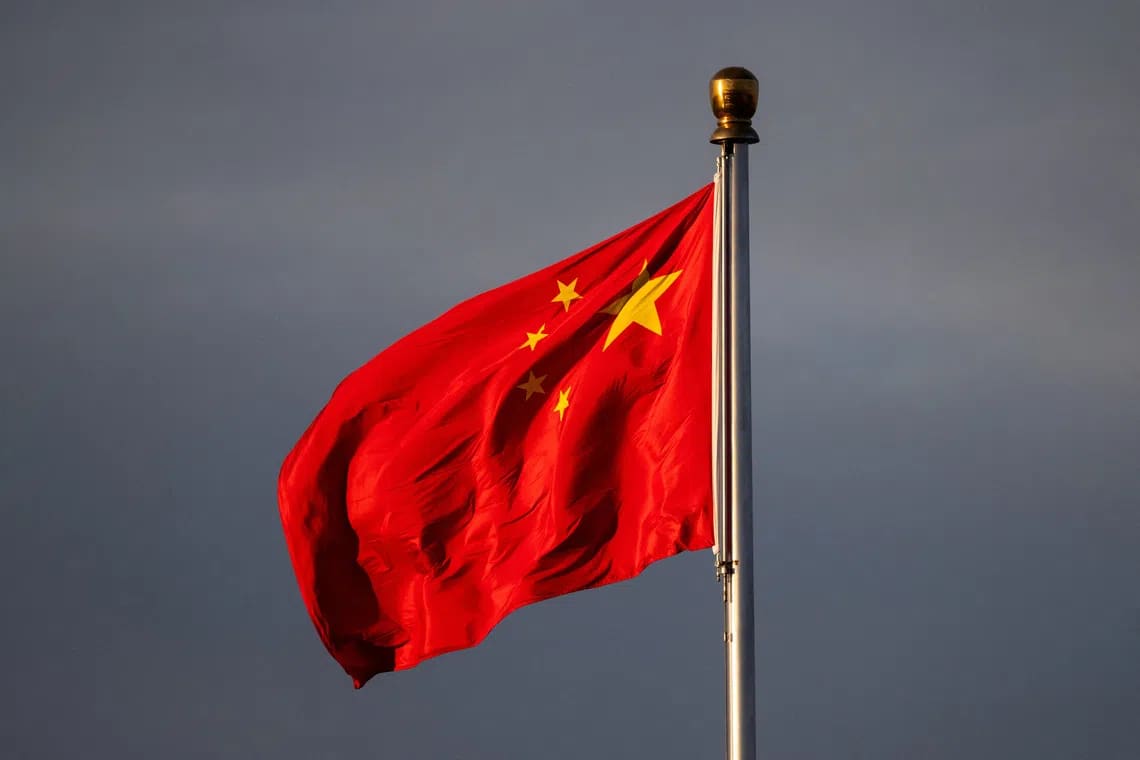
- ·China introduced a 20 percent tax on offshore trusts in July, covering establishment through distribution, with a 90-day retroactive settlement window for assets transferred since January 2023.
- ·Singapore authorities report no significant wealth sector impact yet, though private banks are advising clients to seek legal reviews as compliance requirements intensify.
- ·The regulations redefine Chinese tax residency based on economic ties rather than passport status, requiring wealth advisers to assess substance over domicile in client structures.
Beijing Closes the Offshore Loop
Private wealth advisers across Singapore are fielding urgent queries from Chinese clients after Beijing rolled out comprehensive tax measures targeting offshore trust arrangements. The Ministry of Finance and State Taxation Administration published the regulations on July 24, applying a 20 percent levy across the trust lifecycle and demanding retroactive payment for assets transferred since January 2023.
The 90-day settlement window has triggered a wave of consultations. Law firms report families requesting asset valuations and exposure assessments as they weigh which holdings to liquidate. Loh Kia Meng, senior partner and head of private wealth practice at Dentons Rodyk, described the moment as a watershed for China-linked wealth structuring, noting his firm has been advising trustees, insurers and family offices on historical liabilities and future compliance pathways.
Tax Residency Redefined
The regulations clarify that foreign citizenship or permanent residency abroad does not automatically shield individuals from Chinese tax obligations if their economic ties remain anchored in China. A passport alone does not constitute a tax strategy, Loh told The Straits Times, underscoring the shift toward substance-based residency tests.
Singapore and Hong Kong have long served as preferred jurisdictions for Chinese families establishing trust vehicles to hold pre-IPO equity stakes and generational wealth. The new rules now require those structures to demonstrate transparency, proper reporting and the ability to meet tax liabilities, moving beyond simple offshore holding arrangements.
Private Banks Mobilize
Several private banks have issued client notices recommending legal and tax reviews. Some institutions have coordinated joint visits with external advisers to clarify the rapidly evolving requirements. One tax expert, speaking on condition of anonymity, described the environment as fluid and complex, with clients attempting to quantify potential liabilities before the grace period expires.
Singapore's Monetary Authority has not observed unusual volatility in wealth flows. Edward Robinson, deputy managing director, noted that the city-state's asset and private wealth management sectors draw from diversified funding sources that remain robust. Beh Swan Gin, permanent secretary at the Ministry of Trade and Industry, confirmed no significant sector impact has been reported, though authorities continue monitoring developments.
Compliance Stakes Rise
Legal advisers at Morgan Lewis warned that the rules expand the compliance burden for Singapore's wealth sector. While private banks and wealth managers lack the same reporting duties as trustees, they face potential regulatory action and penalties in China if their advice leads to underpayment.
Kang Wei, a Hong Kong-based private client partner at Charles Russell Speechlys, said the message is unambiguous: offshore structures for Chinese high-net-worth families are entering an era of intensified scrutiny. Wealth professionals in Singapore and Hong Kong will need to assess Chinese tax residency and economic interests alongside traditional domicile considerations, a practice already standard for clients from jurisdictions such as the United States, Canada and the United Kingdom.
Structural Alternatives Under Review
Kang cautioned that products such as Variable Capital Company funds or insurance wrappers retain legitimate planning uses but should not be positioned as straightforward tax deferral tools. Alternative structures may not offer significant advantages. A Canadian-resident individual settling an offshore trust, for example, would face a trust income tax rate exceeding 48 percent, far above China's 20 percent rate.
Where family members have emigrated to territorial tax regimes like Singapore, exploring alternative arrangements may prove sensible, she noted. The regulations could ultimately enhance Singapore's role in cross-border wealth planning by rewarding advisers with deep expertise in multi-jurisdictional tax and compliance frameworks.
No Immediate Exodus
Loh advised clients to avoid panic. The regulations do not invalidate every offshore structure or require wholesale dismantling of existing arrangements. Instead, they demand a recalibration toward transparency, compliance and demonstrable governance, while still supporting succession planning and asset protection objectives.
The shift mirrors broader global trends in tax enforcement. Wealthy families from high-tax jurisdictions have long navigated close scrutiny of offshore holdings. Chinese clients now face similar expectations, with the added complexity of retroactive settlement requirements and a compressed timeline.
Singapore's wealth sector has built resilience through diversified client bases and regulatory infrastructure designed for cross-border complexity. The current environment tests that infrastructure, requiring firms to integrate Chinese tax considerations into client advisory models while maintaining robust due diligence and reporting standards.
As the 90-day window ticks down, the focus for advisers centers on three priorities: quantifying historical exposure, ensuring timely settlement to avoid penalties, and designing compliant structures for future wealth transfers. The outcome will likely redefine how Chinese capital flows through Asian wealth hubs, with Singapore positioned to capture advisory mandates that demand multi-jurisdictional fluency and rigorous compliance frameworks.
RELATED STORIES

China's New Offshore Trust Tax Rules Send Ripples Through Singapore Wealth Industry
Cheng Wei-Lun · 2 min
Renminbi Faces Upward Pressure After US-Japan Yen Intervention
Cheng Wei-Lun · 3 min
Singapore Fund Deploys Machine Learning to Diversify Away From AI Stock Concentration
Cheng Wei-Lun · 4 min
Yangzijiang Maritime Net Profit Slides 29% on Higher Operating Costs
Priyanka V. Rao · 3 min
Spot something wrong? Email editor@briefasia.com. We log every correction publicly.