Finance · Markets
Singapore Fund Deploys Machine Learning to Diversify Away From AI Stock Concentration
Aggregate Asset Management's proprietary engine evaluates over 150 indicators to build portfolios that sidestep the crowding in mega-cap tech
KEY TAKEAWAYS
- ·Aggregate Asset Management has deployed a machine-learning stock selection engine since 2021, analyzing over 150 indicators to build ultra-diversified portfolios.
- ·The firm's Aggregate Value Fund shifted from Asia equities to global markets, aiming for downside protection as concentration risk in indices reaches multidecade highs.
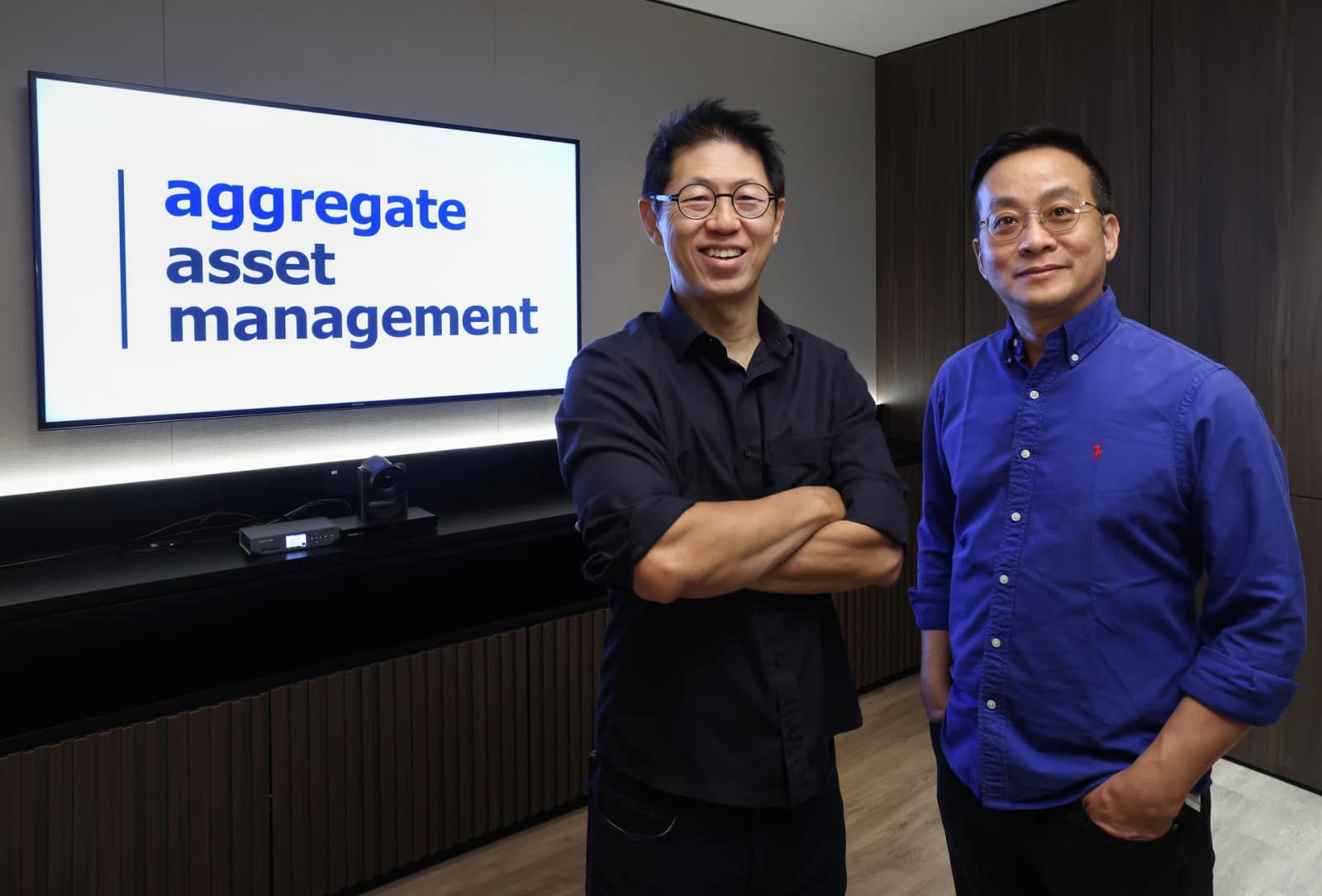
- ·Co-founders Eric Kong and Kevin Tok oversee the engine, which processes technical, fundamental, and academic data to avoid clustering in AI-themed mega-cap stocks.
A Boutique Response to Market Crowding
Concentration risk in equity markets has reached levels not seen in decades, driven by investor enthusiasm for artificial intelligence-themed stocks that now command outsize weightings in benchmark indices. For those uneasy about that crowding, a Singapore-based asset manager is offering a different path.
Aggregate Asset Management, a boutique firm co-founded by Eric Kong and Kevin Tok, has been running its own stock selection engine built on machine-learning techniques since around 2021. The system evaluates more than 150 indicators spanning technical analysis, company fundamentals, and academic research to construct portfolios.
The firm's Aggregate Value Fund has shifted from an Asia equity focus to a global, ultra-diversified strategy designed for downside protection. That pivot reflects a deliberate move to avoid the concentration that has come to define large-cap indices, where a handful of technology names tied to AI narratives account for a disproportionate share of market value.
How the Engine Works
The proprietary selection engine ingests a wide array of data points. Technical indicators track price momentum, volume patterns, and relative strength. Fundamental metrics cover valuation ratios, earnings quality, balance-sheet health, and cash-flow dynamics. Academic research inputs draw on factor models and risk premia documented in finance literature.
By processing this breadth of information, the system identifies stocks that meet the fund's criteria without clustering in a single sector or theme. The result is a portfolio that spreads exposure across geographies, industries, and market capitalizations, reducing the risk that a reversal in one popular trade derails performance.
The machine-learning approach allows the engine to update its assessments as new data arrives, adjusting holdings in response to shifting market conditions. That adaptability is central to the fund's mandate of protecting capital during drawdowns.
The Concentration Problem
Global equity benchmarks have become increasingly top-heavy. A small group of mega-cap technology companies, many of them tied to artificial intelligence infrastructure, software, or services, now represents a large fraction of index weight. When those stocks rise, they lift the market; when they stumble, the impact reverberates.
For investors holding passive index funds or strategies that hug benchmark weights, that concentration translates into implicit sector bets. A downturn in AI-related names can produce sharp losses, even if the broader economy or other sectors remain stable.
Active managers have struggled to outperform in this environment, as the rally in a narrow set of stocks has punished strategies that diversify away from the leaders. Aggregate Asset Management's approach accepts the performance drag that comes with avoiding the crowd, prioritizing downside risk management over tracking error.
An Asia Pivot to Global Markets
The firm initially focused on Asia equities, a region that offered familiar territory for a Singapore-based team. As the machine-learning engine matured and concentration dynamics shifted, the mandate evolved to encompass global markets.
That geographic expansion allows the fund to tap opportunities in North America, Europe, and emerging markets outside Asia, spreading risk across regulatory regimes, currency zones, and economic cycles. The ultra-diversified label reflects both the number of holdings and the breadth of exposures.
Downside protection remains the organizing principle. The fund aims to limit losses during market stress, even if that means lagging during melt-ups driven by a handful of high-momentum stocks. For investors with long time horizons and an aversion to sharp drawdowns, that trade-off can make sense.
Machine Learning in Asset Management
The use of machine learning in portfolio construction is not new, but adoption varies widely. Large quantitative hedge funds have employed similar techniques for years, using vast datasets and computing power to identify patterns and execute trades at scale.
Boutique managers like Aggregate Asset Management bring machine learning to a different segment, offering actively managed strategies with a focus on risk control rather than aggressive alpha generation. The technology serves as a tool for processing information and maintaining discipline, not as a black box that replaces human oversight.
Kong and Tok retain executive oversight of the firm and the fund, ensuring that the machine-learning engine operates within guardrails aligned with the firm's investment philosophy. The system generates candidate portfolios; the team reviews them and makes final allocation decisions.
What Comes Next
As concentration risk persists, the appeal of diversified strategies may grow. Investors who rode the AI rally to outsized gains now face a choice: continue to hold concentrated positions in the hope that momentum extends, or rotate into broader portfolios that sacrifice upside for stability.
Aggregate Asset Management's bet is that a meaningful cohort will choose the latter. The firm's machine-learning engine, with its emphasis on multiple indicators and downside protection, positions the fund to attract capital from those seeking to reduce exposure to the narrow group of stocks that have dominated recent returns.
Whether that strategy delivers in practice depends on how markets evolve. If the AI trade unwinds sharply, ultra-diversified portfolios may prove their worth. If the rally continues for years, the performance gap could test investor patience. For now, the fund offers an alternative for those who believe that concentration has gone too far.
RELATED STORIES

Singapore Banks Hit Record Highs on Wealth Management Surge
Priyanka V. Rao · 2 min
Yangzijiang Maritime Net Profit Slides 29% on Higher Operating Costs
Priyanka V. Rao · 3 min

OCBC Brings Platinum and Palladium Trading to Retail Clients in Singapore
Priyanka V. Rao · 3 min
Singapore's Big Three Banks Post Solid First-Half Gains as Wealth Offsets Margin Pressure
Priyanka V. Rao · 3 min
Spot something wrong? Email editor@briefasia.com. We log every correction publicly.