Asia · Business
Philippines Regulator Seeks to Drop VAT on Power System Losses
Energy Regulatory Commission proposes excluding system loss charges from taxable receipts, potentially saving consumers P6 billion annually
KEY TAKEAWAYS
- ·The Energy Regulatory Commission is drafting rules to exclude system loss charges from the VAT base of generators and grid operator, targeting P6 billion in annual consumer savings.
- ·System loss charges, estimated at P50 billion yearly, cover electricity lost in transmission and distribution; the ERC argues taxing power never delivered contradicts VAT principles.
- ·Implementation depends on Bureau of Internal Revenue acceptance and issuance of operational rules, while 89 electric cooperatives warn the shift may strain their finances.
Relief for Households and Industry
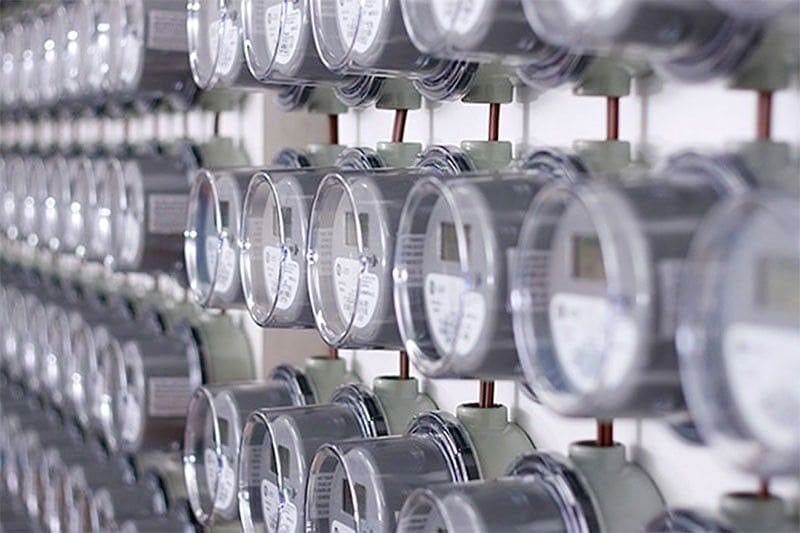
The Energy Regulatory Commission in Manila has drafted a resolution to remove the 12 percent value-added tax from system loss charges, a move that would deliver approximately P6 billion in annual savings to electricity consumers across the Philippines.
The draft proposal directs distribution utilities to list system loss charges separately on bills as government-mandated pass-through costs exempt from VAT. The charges themselves represent electricity generated and paid for but lost during transmission and distribution to end-users, a technical inefficiency that currently costs the sector around P50 billion each year.
ERC chairman Francis Saturnino Juan confirmed the regulator has characterized system loss as a pass-through cost rather than a taxable service. Implementation hinges on acceptance from the Bureau of Internal Revenue, which must issue its own operational rules before the VAT exclusion takes effect.
Under the proposal, system loss charges would be excluded from the taxable gross receipts of generation companies and the National Grid Corp. of the Philippines, the operator of the country's high-voltage transmission network.
A Tax on Electricity Never Delivered
Juan framed the issue in plain terms: levying VAT on power that never reaches consumers contradicts the basic principle of value-added tax as a levy on goods and services actually rendered.
For a typical Metro Manila household consuming 200 kilowatt-hours per month, system loss charges stood at P0.8751 per kWh in July. Removing the corresponding VAT would save that household roughly P21 monthly, according to figures presented at a media briefing.
The move follows President Ferdinand Marcos Jr.'s directive during last month's State of the Nation Address to eliminate electricity charges that fail to reflect actual services delivered to consumers. The instruction has set off a broader review of power pricing mechanisms across the archipelago.
Cooperative Sector Pushes Back
Not every corner of the industry welcomes the shift. The National Electrification Administration warned that 89 of the country's 121 electric cooperatives could face financial strain if required to absorb costs tied to removing system loss charges from bills.
NEA administrator Antonio Mariano Almeda told officials that forcing cooperatives to shoulder technical system losses would erode their ability to pay suppliers. Partial payments would accumulate into debts with no clear repayment path, he said.
The tension underscores a recurring theme in Philippine power policy: balancing consumer relief with the financial viability of utilities operating on thin margins, particularly in rural areas served by cooperatives.
What Happens Next
The draft resolution now enters a consultation phase. The ERC must finalize its characterization of system loss charges and secure formal agreement from the BIR on the tax treatment. Once that alignment is reached, the revenue bureau will need to publish implementing rules that distribution utilities can follow.
The timeline remains uncertain, but the political momentum is clear. With the presidential directive in place and estimated savings in the billions, the proposal has moved from technical discussion to active policy development. For households and businesses watching their monthly bills, the question is no longer whether relief will come, but when.
RELATED STORIES
Yuchengco Group Completes $38 Million Buyout of Philippine Wind Developer
Mariel D. Santos · 3 min
Philippines Moves to Raise Tax-Free Income Floor to ₱350,000
Priyanka V. Rao · 3 min
Philippine Foreign Investment Falls 65% to Lowest Since 2015
Priyanka V. Rao · 4 min
Manila Projects Debt Stock to Hit P21.5 Trillion as Peso Weakness Compounds Borrowing Costs
Priyanka V. Rao · 3 min
Spot something wrong? Email editor@briefasia.com. We log every correction publicly.