Asia · Politics
Philippines Moves to Raise Tax-Free Income Floor to ₱350,000
House panel advances bill exempting salaries below ₱29,000 monthly from withholding tax, targeting relief for low- and middle-income workers amid rising costs
KEY TAKEAWAYS
- ·The Philippine House committee on ways and means approved legislation raising the annual tax-free income threshold from ₱250,000 to ₱350,000, eliminating withholding tax for workers earning under ₱29,000 monthly.
- ·Chairman Miro Quimbo rejected higher exemption proposals of ₱600,000 and ₱1 million, citing excessive revenue loss that would primarily benefit upper-middle-class taxpayers rather than lower earners.
- ·The bill must pass committee reports, second reading deliberation, and Senate approval before implementation, with the Bureau of Internal Revenue requiring 60 to 90 days to issue updated withholding tables.
Legislative Advance
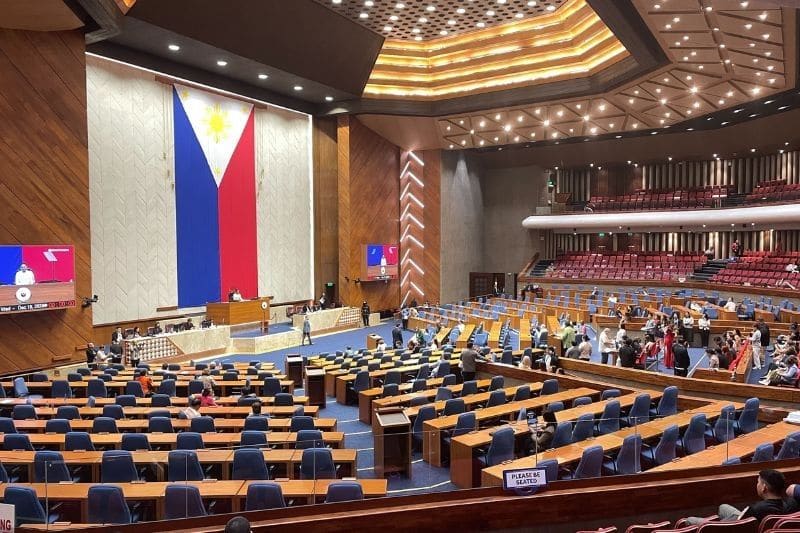
The Philippines House of Representatives committee on ways and means approved House Bill No. 10345 on August 10, advancing a proposal to raise the annual tax-free income threshold from ₱250,000 to ₱350,000. The measure, filed by Speaker Faustino "Bojie" Dy III and Majority Leader Sandro Marcos, now moves toward committee reports before proceeding to second reading for full House deliberation.
The legislation amends Section 24 of the National Internal Revenue Code and follows President Ferdinand Marcos Jr.'s commitment during his recent State of the Nation Address to provide tax relief for the middle class. Workers earning ₱350,000 or less annually, equivalent to approximately ₱29,000 monthly, would face no withholding tax deductions from their salaries under the proposed law.
The committee also approved a companion bill, House Bill No. 10346, which seeks to exempt micro and small businesses from the 2% minimum corporate income tax.
Balancing Relief and Revenue
Ways and means committee chairman Miro Quimbo, representing Marikina's second district, described the ₱350,000 threshold as the most balanced option among several proposals. Alternative bills have suggested thresholds as high as ₱600,000 and ₱1 million, but Quimbo argued those figures would inflict excessive damage on government revenue collection.
"If incomes have not kept up with the rising cost of living, then we have to make sure that taxation does not further erode their purchasing power," Quimbo said during the committee hearing.
Higher exemption ceilings would benefit primarily upper-middle-class and wealthier taxpayers while creating larger revenue shortfalls that could undermine government programs and public services, according to Quimbo. The ₱350,000 level aims to deliver meaningful relief to lower earners without compromising the fiscal capacity needed for social spending.
Regional Tax Context
The Philippine proposal arrives as Southeast Asian governments navigate competing pressures to stimulate consumption through tax cuts while maintaining revenue for infrastructure and social programs. Indonesia raised its non-taxable income threshold to Rp54 million (approximately $3,400) in 2022, while Thailand has debated similar measures to offset rising living costs in Bangkok and provincial cities.
Manila's current ₱250,000 exemption ceiling has remained static even as inflation eroded purchasing power across Metro Manila and provincial urban centers. Consumer price growth in the Philippines averaged 3.7% in the first half of 2026, with food and transport costs rising faster in many regions.
The proposed ₱350,000 threshold translates to roughly $6,200 at current exchange rates, positioning the Philippines near the middle of ASEAN income tax structures. Vietnam exempts income below VND11 million monthly (about $5,300 annually), while Singapore's progressive system begins taxing income above SGD20,000 ($14,800).
Next Steps
The bill must clear several procedural stages before reaching a House floor vote. Committee reports will be filed, followed by referral to the rules committee for scheduling. Second reading will involve line-by-line scrutiny, amendments, and voting before the measure advances to third reading for final House approval.
If the House passes the legislation, it moves to the Senate for separate committee hearings and floor debates. Both chambers must reconcile any differences in a bicameral conference committee before sending a unified version to the president for signature.
Implementation timing remains uncertain. The Bureau of Internal Revenue would need to issue updated withholding tax tables and guidance for employers, a process that typically requires 60 to 90 days after enactment. Retroactive application to the start of the 2026 tax year could trigger refund processing for workers who have already paid taxes on income between ₱250,000 and ₱350,000.
The measure faces potential resistance from fiscal conservatives who worry about revenue adequacy as the government finances infrastructure projects and social programs. The Department of Finance has not yet issued a formal position on the bill, though budget planners typically scrutinize proposals that reduce tax collections.
For millions of Filipino workers, the outcome will determine whether monthly paychecks stretch further in an economy where wage growth has lagged inflation for much of the past three years.
RELATED STORIES
Philippine Foreign Investment Falls 65% to Lowest Since 2015
Priyanka V. Rao · 4 min
Philippine Economy Stalls as Investment Collapse Drags Growth to Pandemic Lows
Priyanka V. Rao · 3 min
San Miguel's Ramon Ang Takes 25.7% Stake in Lopez Group Holding Company
Priyanka V. Rao · 3 min
Ramon Ang Secures Quarter Stake in Lopez Inc. for $11.6 Billion Economic Reach
Priyanka V. Rao · 4 min
Spot something wrong? Email editor@briefasia.com. We log every correction publicly.