Finance · Markets
Seoul Tech Stocks Surge 5% as US Inflation Data Lifts Asian Markets
Korean chipmakers recover ground after summer selloff while regional equities gain on softer Federal Reserve tightening expectations
KEY TAKEAWAYS
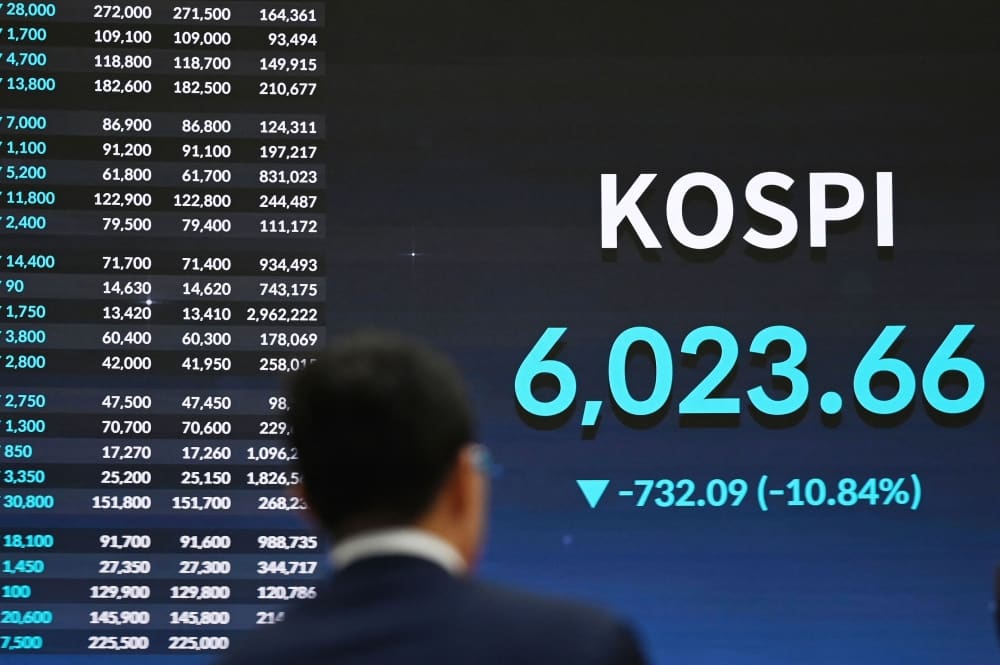
- ·Seoul's Kospi surged nearly 5 percent in early trading, led by Samsung and SK hynix, as investors returned to Asian tech stocks after a summer selloff erased 40 percent from the index.
- ·July US consumer price index data came in line with forecasts, pushing back September rate hike odds and giving the Federal Reserve room to hold borrowing costs steady despite 65 months above target.
- ·Oil prices slipped over 1 percent after six days of gains as the US-Iran standoff keeps the Strait of Hormuz closed, complicating inflation outlook for central banks.
Korean Tech Leads Regional Rally
Seoul's Kospi surged almost 5 percent in opening minutes on Thursday, spearheading gains across Asian equity markets as investors piled back into technology stocks following a summer rout that erased 40 percent from the index's peak.
Samsung and SK hynix led the rally, clawing back losses from a global semiconductor selloff that ran from late June through July. The recovery marks a sharp reversal for Korean chipmakers, which have become a barometer for sentiment around artificial intelligence infrastructure spending across the region.
The Kospi has now climbed roughly 20 percent from its recent trough, though it remains in bear market territory after the steep drawdown from its record highs earlier this year. The index's volatility underscores the whipsaw trading that has characterized Asian tech this summer, with trillions of dollars in market value swinging on investor confidence in AI returns.
Tokyo, Shanghai, Wellington, and Taipei posted gains, while Hong Kong, Singapore, and Sydney edged lower. The mixed session reflects continued uncertainty over the pace of global monetary tightening and geopolitical tensions affecting energy markets.
US Inflation Data Shifts Fed Calculus
The catalyst for Thursday's rally was July's US consumer price index report, which came in line with forecasts and reinforced recent labor market softness. The data gives the Federal Reserve breathing room to hold borrowing costs steady in the near term, easing immediate rate hike fears that had weighed on risk assets.
Neil Wilson at Saxo Markets noted that July marked the 65th consecutive month of inflation above the Fed's 2 percent target. "Nevertheless, odds of a rate hike in September were pushed out by the US CPI report," he said. "It looks as though this was soft enough for the market to give the Fed more time to sit around with inflation above target."
The prospect of a prolonged pause in tightening has bolstered the bull case for equities, with US stock futures firmer, the dollar weaker, and gold higher. Questions linger over whether Fed Chair Kevin Warsh will match his inflation-fighting rhetoric with action, but for now markets are pricing in no hike this year.
Wall Street closed broadly higher Wednesday, with the S&P 500 posting gains that set the tone for Asian trading hours.
Chip Sector Claws Back Ground
The semiconductor rally in Seoul reflects a tentative stabilization after weeks of brutal selling. The summer rout was driven by mounting concerns over whether the enormous capital outlays for AI infrastructure worldwide would generate adequate returns, compounded by forced liquidations as leveraged positions unwound.
Recent earnings from technology heavyweights have helped restore confidence. Amazon, Microsoft, and more recently CoreWeave delivered results that suggest demand for AI-related hardware and services remains robust, even as investors scrutinize the timeline for profitability.
Government interventions in South Korea aimed at curbing retail investor volatility have also played a role in steadying the market. Authorities introduced measures to dampen speculative swings, though the effectiveness of such policies remains debated among market participants.
Bargain-hunting has emerged as another tailwind. With valuations compressed after the selloff, institutional and retail investors alike have begun rotating back into names that dominated the first-half rally.
Energy Markets and Geopolitical Overhang
Oil prices slipped more than 1 percent Thursday, snapping a six-day winning streak, as traders monitored the escalating US-Iran standoff. The Strait of Hormuz remains closed, and neither side has shown willingness to de-escalate, keeping crude prices elevated despite the pullback.
The Iran conflict has become a wild card for central banks, particularly the Federal Reserve, by sustaining upward pressure on energy costs and complicating the inflation outlook. While the July CPI data offered relief, persistently high oil prices could reignite concerns and force policymakers to reconsider their dovish tilt.
For Asian markets, the energy dynamic cuts both ways. Higher oil prices weigh on import-dependent economies like Japan and South Korea, but they also support crude exporters and energy-linked equities in the region.
The interplay between inflation data, monetary policy expectations, and geopolitical risk will likely define trading patterns in the weeks ahead. Thursday's rally suggests investors are willing to look past near-term uncertainties, at least for now, but the path forward for Asian tech stocks remains sensitive to shifts in Fed rhetoric and global growth signals.
RELATED STORIES
Key Asic Shares Surge 128% on Record Volume as Asia Tech Rally Returns
Cheng Wei-Lun · 3 min
Seoul Stocks Climb on Semiconductor Rally Amid Bargain Buying
Cheng Wei-Lun · 3 min
South Korea's Economy Holds Steady as Stock Market Volatility Tests Investor Nerves
Cheng Wei-Lun · 3 min

South Korea Signals More Rate Hikes After July's First Increase in Three Years
Jun-ho Seo · 3 min
Spot something wrong? Email editor@briefasia.com. We log every correction publicly.