Asia · Trade
Indonesia's Textile Exports Eye 4% Growth as Supply Chain Gaps Persist
Projected recovery in global demand offers opportunity, but manufacturers face pressure to modernize machinery and meet international standards for quality and sustainability.
KEY TAKEAWAYS
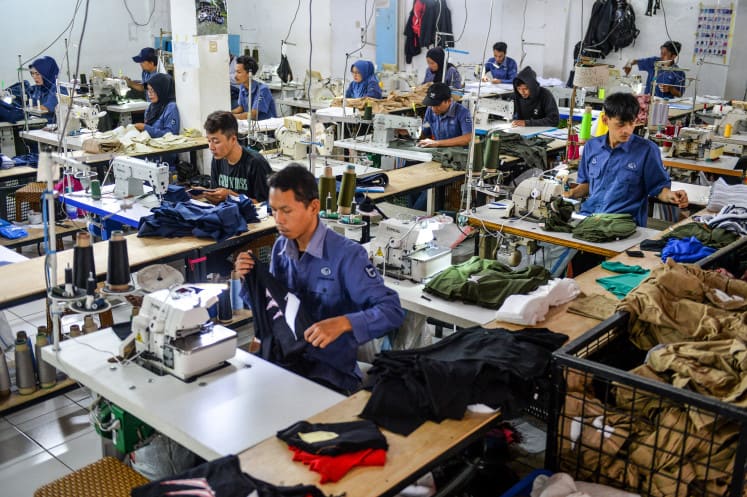
- ·Indonesia's textile exports are projected to grow 2 to 3.2 percent in 2026 and 3.5 to 4 percent in 2027, with finished fabrics accounting for 74 percent of total shipments.
- ·Manufacturers face pressure to upgrade outdated machinery and meet stricter international standards for quality, delivery speed, traceability, and sustainable materials.
- ·Regional competition from China, India, Vietnam, and Turkey intensifies as buyers demand higher-value products and Indonesian producers risk losing ground without supply-chain improvements.
Recovery Takes Shape
Indonesia's textile sector is positioning for a modest rebound after years of sluggish performance. The Indonesian Export Financing Institution projects textile exports will climb 2 to 3.2 percent in 2026, accelerating to 3.5 to 4 percent growth in 2027, according to executive director Sukatmo Padmosukarso. The forecast hinges on recovering demand in key markets and manufacturers' ability to meet stricter buyer requirements around quality, delivery speed, traceability, and sustainable materials.
Finished fabric products represent roughly 74 percent of the country's total textile and apparel exports, according to the institution. Japan, Turkey, Bangladesh, China, and the United States remain the largest buyers, while expanding garment industries in Bangladesh and Vietnam open potential supply-chain entry points for Indonesian yarn and woven fabrics.
Machinery and Standards Under Scrutiny
The optimistic projections come with caveats. Manufacturers face mounting pressure to upgrade outdated equipment and tighten supply-chain coordination. Global buyers increasingly demand compliance with international standards, transparent sourcing, and on-time delivery, raising the bar for Indonesian producers accustomed to competing primarily on cost.
Sukatmo noted that upstream products, including yarn and knitted fabrics, began showing signs of recovery in 2025. Sustaining that momentum will require producers to move beyond basic commodity sales and target higher-value segments, particularly in sustainable and premium textiles where margins are stronger and order volumes more stable.
Regional Competition Intensifies
Indonesia competes directly with China, India, Vietnam, and Turkey across multiple textile categories. Each rival brings distinct advantages: China's scale and vertical integration, India's cotton supply and labor costs, Vietnam's trade agreements and nimble factories, Turkey's proximity to European buyers. Indonesian producers occupy a middle tier, strong in certain fabric types but lacking the infrastructure depth or policy support seen in neighboring countries.
Shifting trade policies and uneven demand across regions add further uncertainty. The institution flagged these variables as key risks that could dampen the projected growth if global economic conditions deteriorate or if major buyers redirect orders to competitors offering better terms or faster turnaround.
Sustainability as Growth Driver
Demand for sustainable textiles, especially in premium segments, is expected to become a significant growth driver. Buyers in Europe and North America are tightening requirements around water use, chemical inputs, and carbon footprint, creating opportunities for manufacturers willing to invest in cleaner production methods and transparent supply chains.
Indonesian producers capable of meeting these standards stand to capture higher-margin orders and build long-term relationships with brands prioritizing environmental and social responsibility. However, the transition requires capital investment in new machinery, certifications, and supply-chain traceability systems that many mid-sized manufacturers struggle to afford.
What Comes Next
The textile sector's trajectory over the next two years will test whether Indonesian manufacturers can adapt quickly enough to capitalize on the demand recovery. Finished fabric exports provide a solid foundation, but growth depends on closing the gap between current capabilities and the quality, speed, and sustainability standards that global buyers now treat as baseline expectations.
Industries that successfully navigate this shift will likely gain share in higher-value segments. Those that delay upgrades or fail to integrate supply chains risk losing ground to competitors already moving up the value ladder. The window for adjustment is narrow, and the stakes are rising as regional rivals accelerate their own modernization efforts.
RELATED STORIES

Indonesia Names Central Bank Veteran as Governor Amid Fiscal Tensions
Priyanka V. Rao · 3 min
Indonesia's Hartono Heirs Receive $2.9 Billion Each in Major Asian Wealth Transfer
Priyanka V. Rao · 3 min
Indonesia Redirects State Fund Dividends to Reduce Debt Burden
Priyanka V. Rao · 3 min
Indonesia Nominates Destry Damayanti as First Female Central Bank Chief
Priyanka V. Rao · 3 min
Spot something wrong? Email editor@briefasia.com. We log every correction publicly.