Asia · Business
Indonesia's Hartono Heirs Receive $2.9 Billion Each in Major Asian Wealth Transfer
Michael Hartono's four children split nearly $12 billion stake in holding firm that controls Bank Central Asia, marking one of Southeast Asia's largest family estate distributions
KEY TAKEAWAYS
- ·Four children of late Indonesian tycoon Michael Hartono each received at least $2.93 billion from his 49 percent stake in Dwimuria Investama Andalan, the holding firm controlling Bank Central Asia.
- ·The $11.7 billion estate represents one of Asia's largest recent wealth transfers, surpassing the $10 billion left by Singapore banker Wee Cho Yaw in 2024.
- ·The Hartono family, with combined net worth of $28.6 billion, built wealth from Djarum kretek cigarettes before diversifying into banking, electronics, and real estate across Indonesia.
A Generational Shift in Indonesian Capital
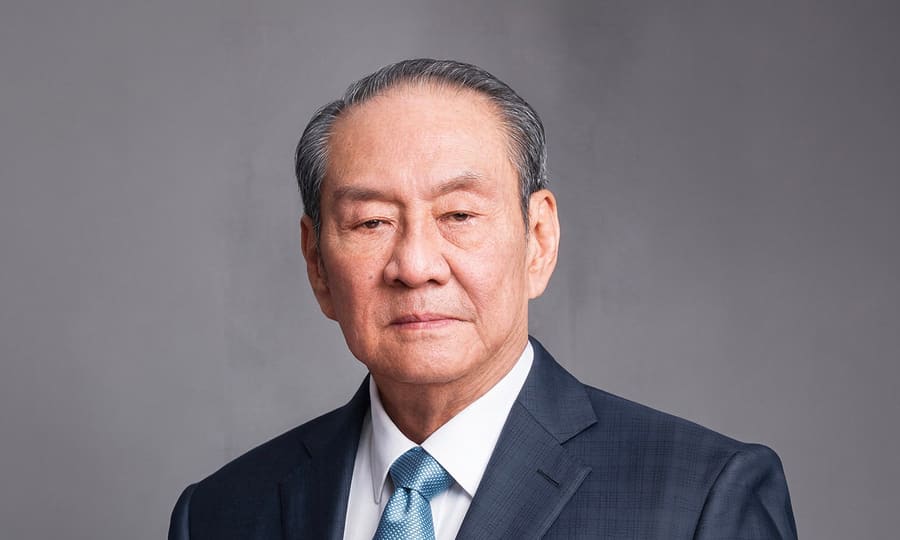
Four children of Michael Hartono have each received at least $2.93 billion in shares following the Indonesian tycoon's death in March at age 86. The inheritance represents an equal split of Michael's 49 percent stake in Dwimuria Investama Andalan, the family holding vehicle that controls more than half of Bank Central Asia, Indonesia's largest private lender.
With BCA currently valued at approximately $44 billion, Michael's interest in Dwimuria was worth at least $11.7 billion as of this week, based solely on the firm's position in the bank. The distribution marks one of the most significant family wealth transfers in recent Asian history, exceeding the roughly $10 billion estate left by Singapore banking patriarch Wee Cho Yaw, chairman emeritus of United Overseas Bank, who died in 2024.
The Hartono Empire Beyond Banking
The Hartono family's combined net worth stands at $28.6 billion, according to recent estimates. In 2024, they ranked 17th on global dynasty wealth lists and were one of only two Southeast Asian families to make that roster.
While BCA represents a substantial portion of their holdings, the family's wealth originates from a different industry entirely. Their late father, Oei Wie Gwan, founded Djarum, a manufacturer of kretek, the clove-infused cigarettes that remain culturally significant in Indonesia. After Oei died in 1963, Michael and his brother Robert transformed Djarum from a local operation into one of Indonesia's largest kretek producers with international distribution.
The brothers systematically diversified beyond tobacco over the decades, moving into electronics, banking, and real estate. Today, the Hartono name appears across multiple sectors of Indonesia's economy, though the family has maintained a notably private profile given their influence.
Next Generation Already Active
Michael's heirs already hold interests across the family's sprawling business network. Meanwhile, Robert Hartono's sons have taken increasingly public roles. Victor Hartono, Robert's eldest, now serves as CEO of PT Djarum, having previously held the chief operating officer position. His brother Martin Hartono founded GDP Venture, where he serves as CEO. The venture firm has backed a range of Indonesian startups, including e-commerce platform Blibli.
The family's approach to succession reflects a broader pattern among Southeast Asian conglomerates, where second and third generations assume operational control while founding patriarchs retain strategic oversight. The Hartonos have managed this transition with minimal public friction, a contrast to some regional peers whose succession processes have sparked legal battles or corporate restructuring.
Regional Context for Dynastic Wealth
The Hartono wealth transfer arrives as Southeast Asia grapples with the mechanics of generational transition among its founding business families. Indonesia, in particular, hosts several multi-billion-dollar family conglomerates built during the country's rapid industrialization from the 1970s onward. Many of those founders are now in their seventies and eighties, making estate planning and succession a live issue for both families and the markets they influence.
Estate distributions of this scale carry implications beyond family finances. BCA, as Indonesia's largest private bank by assets, plays a central role in corporate lending and retail banking across the archipelago. Continuity in ownership and governance matters to institutional investors and regulators alike. So far, the transition appears orderly, with no public indication of disputes or strategic shifts at the bank level.
The Hartono case also underscores the continued dominance of ethnic Chinese families in Southeast Asian capital markets, a legacy of colonial-era trade networks and post-independence industrialization. While politically sensitive in some contexts, this demographic pattern remains a structural feature of the region's economy.
What Comes Next
Michael's four heirs now face decisions about how actively they will manage their stakes versus relying on professional management. The family has historically favored a hands-off approach at the operational level, delegating day-to-day decisions to executives while retaining board seats and strategic control. Whether the next generation maintains that model or pursues a more direct role remains to be seen.
For now, the distribution appears complete, and the family's combined position in BCA and Djarum remains intact. The inheritance also sets a benchmark for other Indonesian families navigating similar transitions, offering a template for structured, equitable division of complex holding structures.
RELATED STORIES
Indonesia Redirects State Fund Dividends to Reduce Debt Burden
Priyanka V. Rao · 3 min
Indonesia Nominates Destry Damayanti as First Female Central Bank Chief
Priyanka V. Rao · 3 min
Indonesia Tightens Central Control Across Financial, Fiscal, and Data Institutions
Priyanka V. Rao · 3 min

Indonesia Names Central Bank Veteran as Governor Amid Fiscal Tensions
Priyanka V. Rao · 3 min
Spot something wrong? Email editor@briefasia.com. We log every correction publicly.