Finance · Markets
South Korea's Producer Prices Drop as Oil Costs Ease
Central bank data shows first monthly decline in nearly a year, with energy prices offsetting agricultural inflation
KEY TAKEAWAYS
- ·South Korea's producer price index fell 0.4 percent month-on-month in July, the first decline since August 2025, driven primarily by lower global crude oil prices.
- ·Producer prices remained 7.7 percent higher year-on-year despite the monthly drop, reflecting accumulated inflationary pressures across the economy.
- ·Agricultural commodity prices surged during July's heat wave, partially offsetting energy-related declines and complicating the inflation outlook for coming months.
Energy Costs Drive Unexpected Decline
South Korea's producer price index fell 0.4 percent in July compared to the previous month, marking the first monthly decline in eleven months, according to preliminary data from the Bank of Korea. The drop comes despite significant upward pressure from agricultural commodities, which saw sharp increases during July's heat wave.
The producer price index serves as a leading indicator of consumer inflation, tracking the prices manufacturers and producers receive for goods before they reach retail shelves. The July decline represents a reversal of the steady upward trend that had persisted since September 2025.
Year-on-year figures tell a different story. Producer prices remained 7.7 percent higher than July 2025 levels, reflecting the accumulated inflationary pressures that have built up over the past year across Asia's fourth-largest economy.
Oil Markets Provide Relief
The monthly decline stems primarily from retreating global crude oil prices, which eased the cost pressures facing South Korean manufacturers and producers. Energy inputs represent a substantial component of production costs across the country's export-oriented industrial base, particularly in petrochemicals, transportation, and manufacturing sectors.
South Korea imports nearly all of its crude oil requirements, making the economy particularly sensitive to global energy price movements. The country ranks among the world's top ten oil importers, with refineries processing crude for both domestic consumption and export markets across Asia.
Lower energy costs provided manufacturers with margin relief after months of elevated input prices that had squeezed profitability and contributed to broader inflationary pressures throughout the supply chain.
Agricultural Prices Surge in Heat
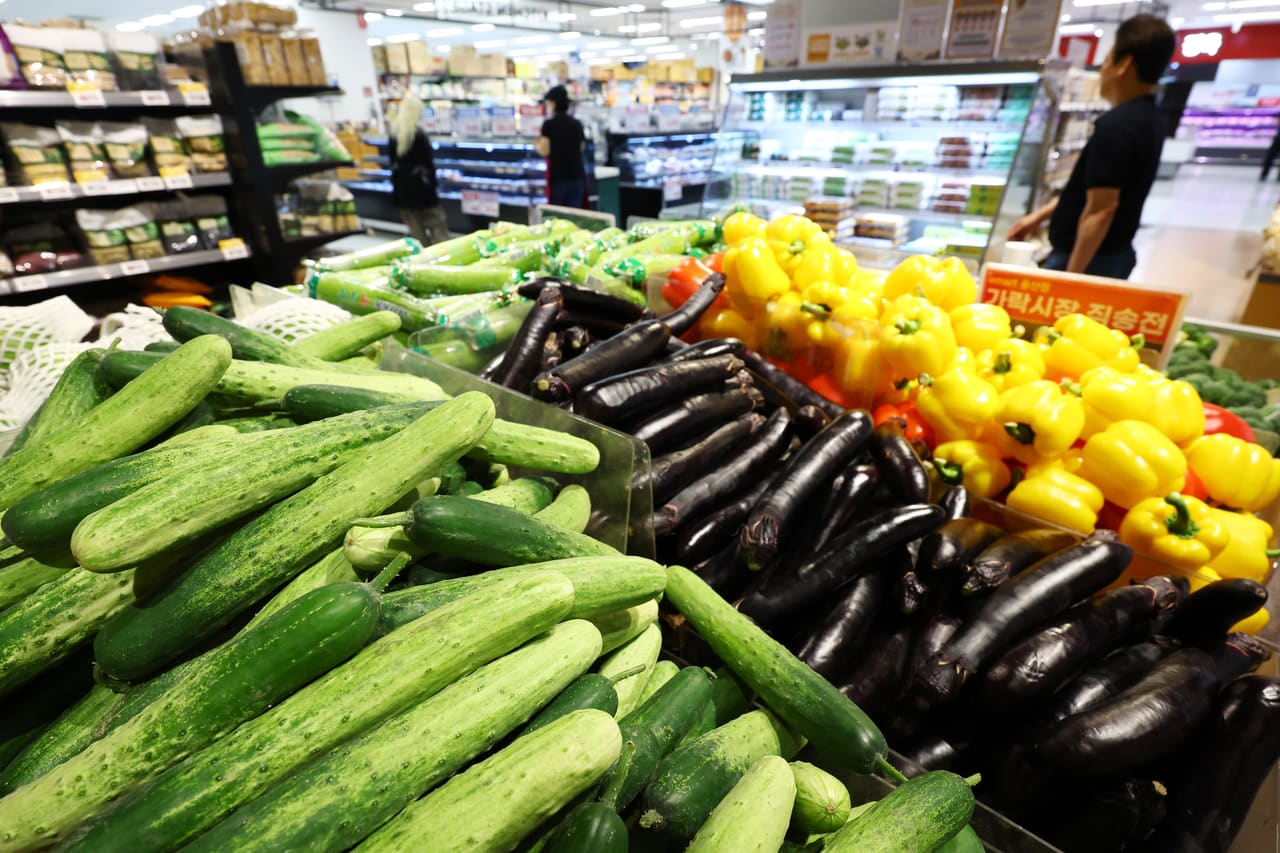
The decline in producer prices occurred despite sharp increases in agricultural commodity costs. South Korea experienced severe heat waves during July, with temperatures in some regions reaching record levels and straining crop production.
Agricultural products saw notable price increases as heat stress affected yields and quality across multiple crop categories. The summer heat particularly impacted fresh produce, with vegetables and certain fruits experiencing supply constraints that pushed wholesale prices higher.
These agricultural price pressures partially offset the energy-related declines, preventing a steeper drop in the overall producer price index. Food costs remain a sensitive component of inflation in South Korea, where fresh produce represents a significant portion of household food expenditures.
Implications for Monetary Policy
The producer price data arrives as the Bank of Korea weighs its monetary policy stance amid competing pressures. While the monthly decline offers some relief, the 7.7 percent year-on-year increase keeps inflation concerns elevated.
Central bank officials have emphasized data dependency in their policy deliberations, balancing inflation control against growth considerations. South Korea's export sector has faced headwinds from softer global demand, particularly in key markets like China and the United States.
Producer price trends typically feed through to consumer prices with a lag, suggesting that July's decline could eventually translate into moderated consumer inflation if the trend continues. However, a single month of data rarely determines policy direction, and officials will be watching for sustained evidence of cooling price pressures.
The interplay between energy costs and agricultural prices will likely remain a key variable in coming months. Global oil markets remain volatile amid geopolitical uncertainties and OPEC+ production decisions, while South Korea's agricultural sector faces ongoing climate variability that can quickly shift price dynamics.
For now, manufacturers and producers in South Korea have gained some breathing room on input costs, though the year-on-year comparison shows that price levels remain substantially elevated compared to mid-2025. How long energy prices remain subdued and whether agricultural pressures ease will shape the inflation outlook through the remainder of 2026.
RELATED STORIES
SK Hynix Shifts Profit Bonuses to Equity, Links Pay to Loss Risk
Cheng Wei-Lun · 3 min

Kakao Closes Door on Holding Company Structure for Split Entity
Jun-ho Seo · 3 min
Singapore's Retail Fund Push Faces Test as South Korea's Leveraged ETF Losses Mount
Cheng Wei-Lun · 3 min

Samsung Unveils $80 Billion Buyback in Bid to Restore Investor Confidence
Cheng Wei-Lun · 3 min
Spot something wrong? Email editor@briefasia.com. We log every correction publicly.