Finance · Markets
Singapore's Retail Fund Push Faces Test as South Korea's Leveraged ETF Losses Mount
As Singapore moves to expand retail access to sophisticated investment products, observers warn that stronger investor safeguards will be critical to avoid the speculative losses that hit South Korean retail traders
KEY TAKEAWAYS
- ·Singapore's Monetary Authority proposed in July a more flexible framework to allow retail investors access to new fund types, aiming to deepen local markets.
- ·South Korean retail investors recently incurred significant losses from leveraged ETFs amid concentrated speculation and wild market swings.
- ·Observers stress that expanded product access in Singapore must be paired with robust investor education and safeguards, as availability does not equal suitability.
A Cautionary Tale from Seoul
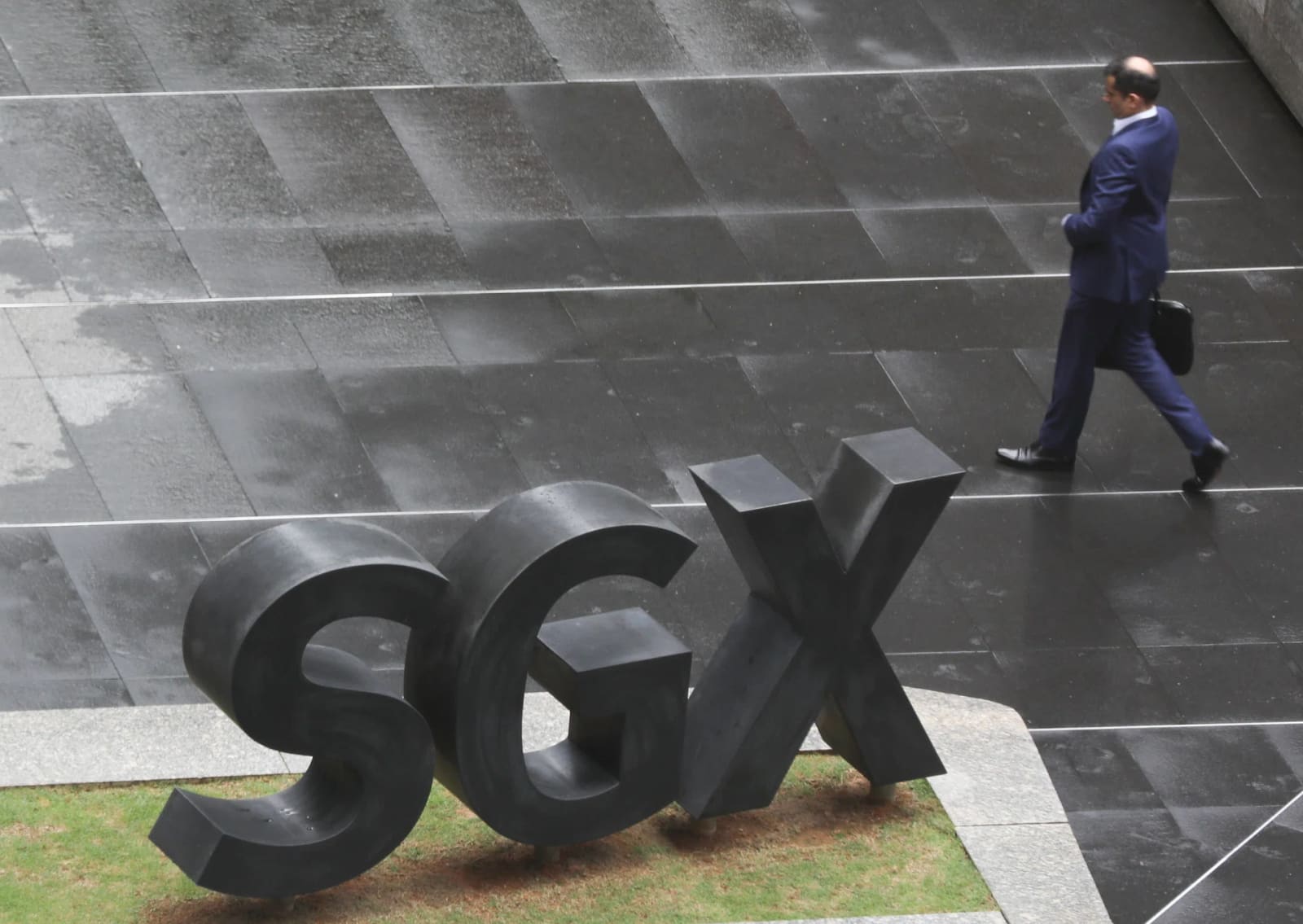
Singapore's capital markets regulator is considering a more flexible framework that would expand the types of funds retail investors can access, but recent turmoil in South Korea's leveraged ETF market is offering a stark reminder of what can go wrong when complex products meet unsophisticated demand.
In July, the Monetary Authority of Singapore proposed changes that could allow retail investors to trade new fund types on the Singapore Exchange. The move aims to deepen local markets and offer more investment choices, but it comes as South Korean retail traders are nursing significant losses from wild swings in leveraged exchange-traded funds, instruments that amplify both gains and losses through borrowed capital.
The contrast between the two markets is instructive. South Korea has seen concentrated retail speculation drive volatility in leveraged products, with individual investors bearing the brunt when trades turn sour. Singapore, by comparison, has historically maintained tighter controls on what retail investors can buy, a posture that has limited both opportunity and risk.
The Singapore Framework Shift
The proposed regulatory changes would represent a meaningful shift in Singapore's approach to retail investment products. While details of the framework remain under consultation, the direction signals a willingness to let individual investors access instruments that have traditionally been restricted to institutional or accredited players.
That evolution reflects broader trends across Asian markets, where regulators are balancing the desire to build deeper, more liquid capital markets against the need to protect retail participants who may lack the sophistication to assess complex risks.
David Gerald, founder, president and CEO of the Securities Investors Association (Singapore), emphasized that product availability should not be conflated with suitability. "Availability on the Singapore Exchange should not be taken as an endorsement of suitability for retail investors - the two issues are quite separate," he said.
South Korea's Leveraged ETF Reckoning
South Korea's experience with leveraged ETFs illustrates the downside. Retail investors in the country piled into these products, attracted by the promise of magnified returns. But leverage cuts both ways, and when market sentiment shifted, losses accumulated rapidly.
The concentration of retail speculation in South Korea is partly a function of market structure and culture. Korean retail investors have historically been active traders, often moving in herds into popular themes. When those themes involve leverage, the swings can be extreme.
Singapore's market culture differs. Retail participation is lower, and the regulatory environment has been more conservative. But as the city-state seeks to expand its role as a financial hub, the question is whether opening the door to more sophisticated products will change that dynamic.
The Education Imperative
Observers agree that any expansion of retail access to complex products must come with robust investor education. Leveraged ETFs, inverse products, and other structured instruments carry risks that are not immediately obvious to casual investors.
The challenge is that education alone may not be enough. Even well-informed investors can misjudge their own risk tolerance or get swept up in market euphoria. South Korea has mandatory financial literacy programs, yet retail losses in leveraged products have remained a persistent problem.
Singapore's regulators will need to consider not just disclosure requirements, but also whether certain products should carry additional guardrails, such as suitability assessments or transaction limits for retail accounts.
Balancing Depth and Protection
The tension between market development and investor protection is not unique to Singapore. Hong Kong, Tokyo, and other Asian financial centers have grappled with similar questions as they seek to attract capital and expand product offerings.
Deeper markets can improve liquidity, reduce costs, and give investors more tools to manage portfolios. But complexity also creates opportunities for mis-selling, misunderstanding, and mistakes that can erode confidence in the financial system.
For Singapore, the South Korean experience offers a useful data point. It suggests that simply making products available is not enough. The infrastructure around those products, including education, disclosure, and oversight, will determine whether expanded access serves retail investors or exposes them to avoidable harm.
As the MAS continues its consultation on the proposed framework, the lessons from Seoul will likely weigh on policymakers. The goal is to build a more vibrant retail investment market without importing the volatility and losses that have marked South Korea's leveraged ETF experiment.
RELATED STORIES

Jardine C&C Exits Singapore and Malaysia Auto Markets in $208M Deal
Priyanka V. Rao · 3 min

Hong Kong Fund Managers Push for Carried Interest Tax Relief as Singapore Moves First
Cheng Wei-Lun · 3 min
Singapore Mobile Operators Face Earnings Squeeze Amid Intensifying Competition
Cheng Wei-Lun · 3 min

Singapore Debtors Use Fake Divorces to Shield Assets from Creditors
Priyanka V. Rao · 3 min
Spot something wrong? Email editor@briefasia.com. We log every correction publicly.