Finance · Deals
Singapore Mobile Operators Face Earnings Squeeze Amid Intensifying Competition
Declining mobile-service revenue at StarHub and Singtel Singapore is fueling analyst calls for industry consolidation as price pressure mounts
KEY TAKEAWAYS
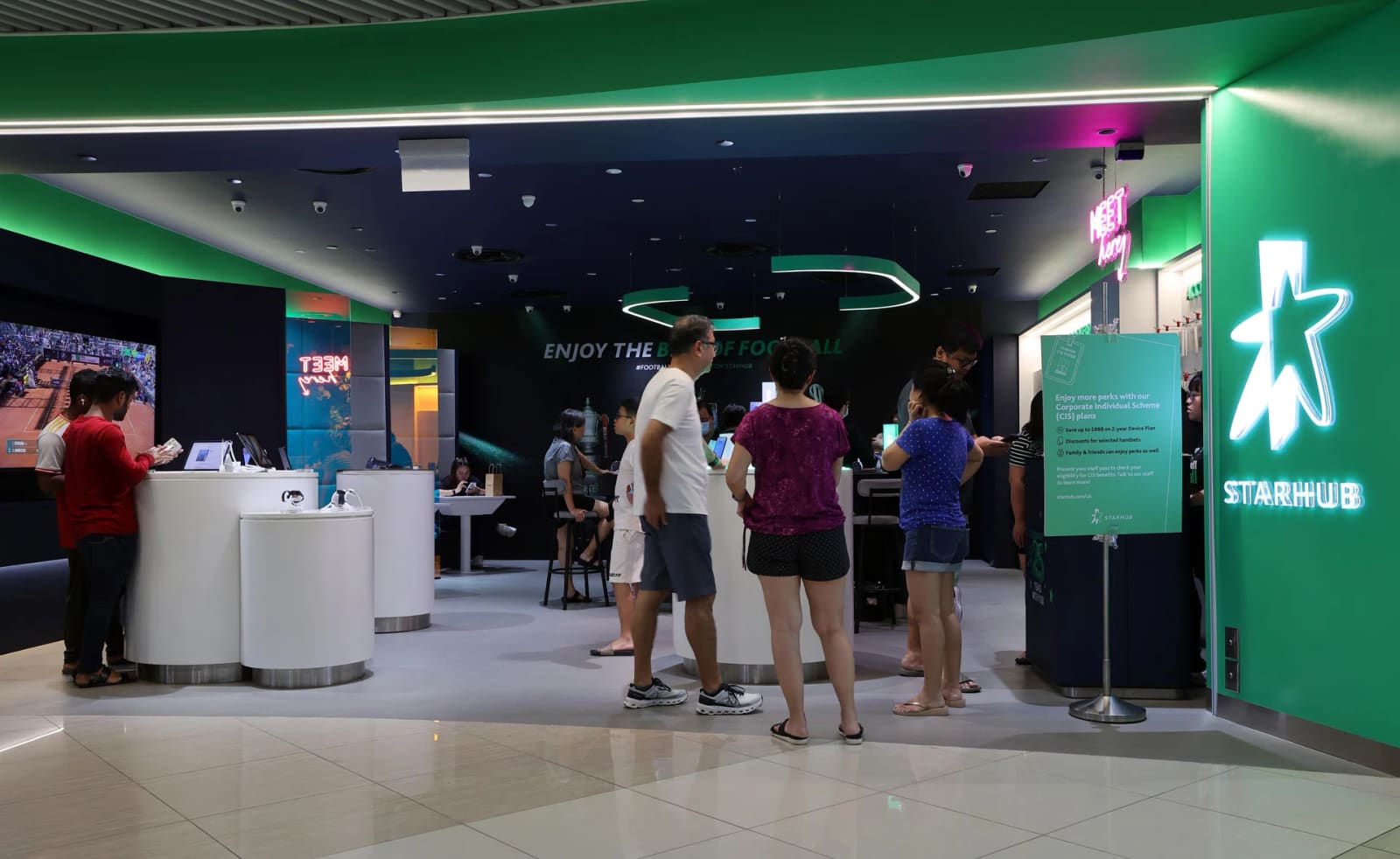
- ·StarHub's first-half EBITDA excluding its cybersecurity venture dropped 23.8 percent as price competition eroded mobile-service revenue.
- ·Analysts say consolidation among mobile network operators is necessary for incumbents to restore sustainable revenue growth.
- ·A potential StarHub-M1 merger would reduce Singapore's mobile network operators from three to two, pending regulatory approval.
Pressure on Incumbents
Singapore's mobile operators are confronting a deteriorating earnings picture as competitive intensity in the city-state's telecommunications market reaches uncomfortable levels. StarHub's earnings before interest, taxes, depreciation, and amortization fell 23.8 percent for the six months ended June 30, excluding results from Ensign, its cybersecurity joint venture with Temasek. The decline underscores the toll that aggressive pricing is taking on the financial health of established players.
Singtel Singapore is experiencing similar headwinds in its home market, with local mobile-service revenue under pressure. The dual squeeze on the two largest incumbents has prompted industry observers to question whether the current market structure remains sustainable.
Consolidation as the Path Forward
Analysts now see industry consolidation as the most viable route for operators to restore revenue growth in mobile services. Chris Muckensturm at Bloomberg Intelligence noted that absent meaningful industry rationalization, incumbents face limited prospects for a sustained recovery in mobile-service revenue growth.
The prescription is specific: consolidation must occur among mobile network operators themselves, not merely among mobile virtual network operators that lease network capacity. The distinction matters because only a reduction in the number of infrastructure owners can fundamentally alter competitive dynamics and pricing power.
Singapore's mobile market currently supports three mobile network operators alongside multiple virtual operators. That structure has enabled persistent price competition, particularly as newer entrants have used aggressive pricing to gain market share at the expense of incumbents with higher legacy cost structures.
StarHub-M1 Deal in Focus
The earnings pressure is lending fresh urgency to discussions around a potential combination of StarHub and M1, the city-state's third and fourth largest mobile operators by subscriber count. Such a merger would reduce the number of mobile network operators from three to two, assuming Singtel remains independent.
Keppel holds a controlling stake in M1, while StarHub is publicly listed. Any deal would require navigating complex shareholder interests and regulatory approval, but the strategic rationale has grown more compelling as financial performance has weakened.
Industry consolidation in small, developed markets is not without precedent in Asia. Hong Kong reduced its number of mobile network operators through a series of mergers over the past decade, and similar dynamics have played out in European markets of comparable size.
Market Dynamics
The current price war in Singapore reflects both structural factors and tactical moves by individual operators. TPG Telecom, which entered the market as the fourth mobile network operator in 2018, adopted a disruptive pricing strategy that forced incumbents to respond. The resulting competition has benefited consumers through lower prices but compressed operator margins.
Mobile-service revenue is the core profit engine for telecommunications companies, and sustained declines threaten the ability to fund network upgrades and maintain service quality. Singapore's operators have invested heavily in 5G infrastructure, and the return on that capital depends on stabilizing revenue trajectories.
The earnings slide at StarHub is particularly acute. The 23.8 percent drop in half-year EBITDA, even excluding the cybersecurity venture, signals that cost-cutting measures have not kept pace with revenue erosion. For Singtel Singapore, the home market weakness contrasts with stronger performance in some of its regional associates, complicating the group's overall strategic picture.
What Comes Next
Whether consolidation materializes depends on multiple factors: regulatory appetite for reducing the number of competitors, shareholder willingness to accept dilution or control changes, and the ability of operators to demonstrate that a combined entity would deliver efficiencies without harming consumers.
Singapore's competition authority has historically taken a cautious approach to telecommunications mergers, reflecting the city-state's small market size and the importance of competitive pricing for businesses and households. Any StarHub-M1 proposal would face rigorous scrutiny on those grounds.
For now, the financial pressure continues to build, and the case for industry rationalization grows stronger with each quarterly result.
RELATED STORIES
Singapore Moves to Close Asset Management Gap with Hong Kong
Priyanka V. Rao · 3 min
Singapore SME Aggregator Secures $60 Million Credit Line for Acquisition Push
Priyanka V. Rao · 3 min
DayOne Lands $530 Million Green Loan for Singapore's First Hydrogen-Ready Data Centre
Cheng Wei-Lun · 3 min
Singapore's Private Banks Miss One-Month Onboarding Target as Complex Checks Drag On
Priyanka V. Rao · 3 min
Spot something wrong? Email editor@briefasia.com. We log every correction publicly.