Finance · Deals
Singapore SME Aggregator Secures $60 Million Credit Line for Acquisition Push
Timah Partners closes umbrella facility with UOB, RHB Bank, and Genesis Alternative Ventures to fund multi-deal rollup strategy
KEY TAKEAWAYS
- ·Timah Partners secured a S$60 million umbrella delayed-drawdown facility from UOB, RHB Bank, and Genesis Alternative Ventures to finance multiple SME acquisitions in Singapore without renegotiating terms per deal.
- ·The structure addresses succession challenges in Singapore's 280,000-strong SME base, where aging founders lack family successors and traditional private equity often skips smaller tickets.
- ·Timah Partners completed its first acquisition in July, a waste management business, and plans to extend lender relationships into portfolio-wide banking services and founder wealth planning.
Committed Capital for Serial Acquisitions
Timah Partners closed a S$60 million debt facility this week, structured as an umbrella delayed-drawdown agreement that lets the holding company tap pre-negotiated capital for multiple small and medium-sized enterprise acquisitions without renegotiating terms each time. The facility brings together UOB, RHB Bank, and Genesis Alternative Ventures as lenders, with Kroll Agency and Trustee Services handling facility administration and security.
The delayed-drawdown structure is uncommon in Southeast Asia's SME finance market, where most acquisition debt is arranged deal by deal. By locking in pricing and covenants upfront, Timah Partners can move faster on opportunities and offer sellers certainty on closing timelines, a competitive advantage in fragmented markets where founders often weigh emotional and legacy considerations alongside price.
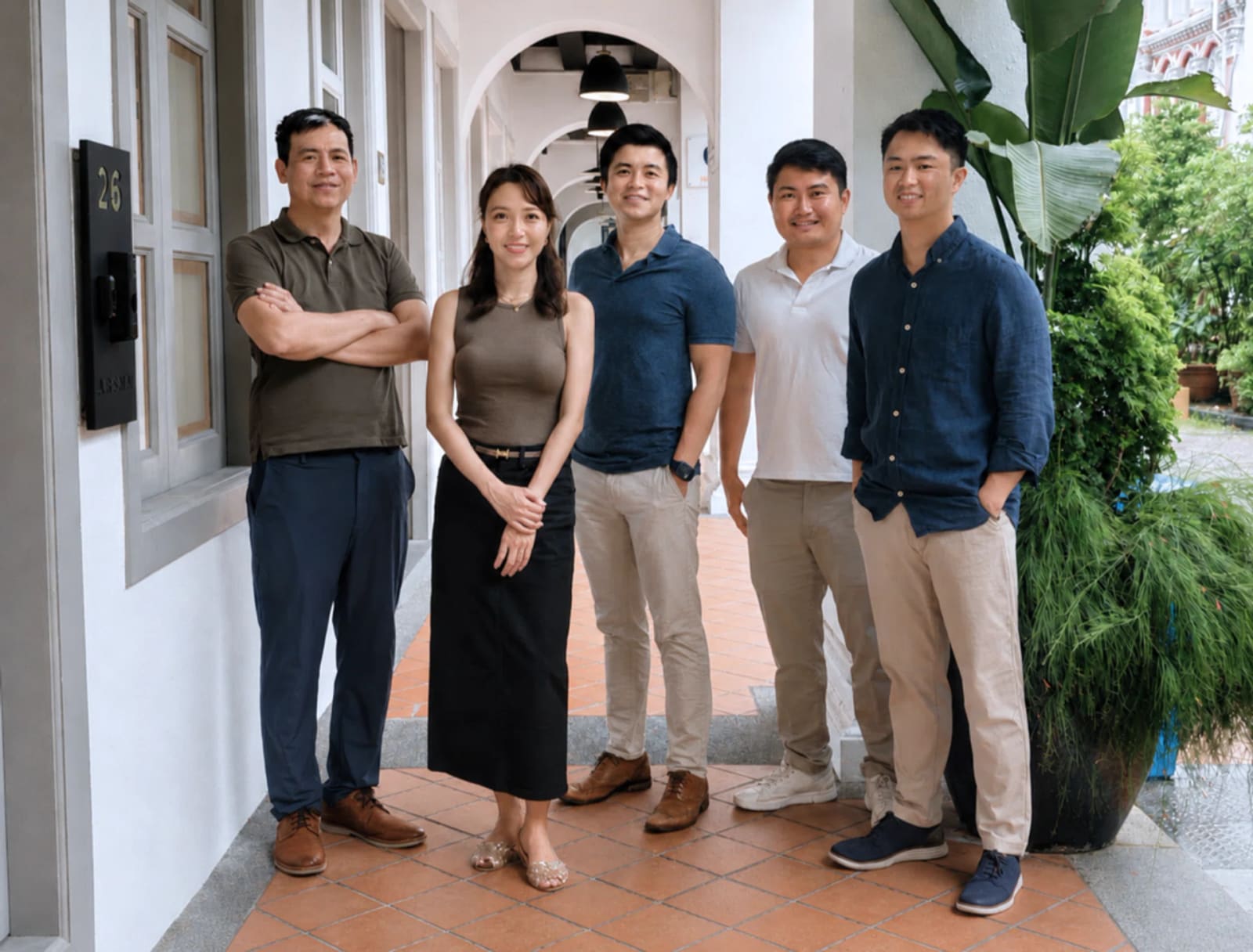
Dennis Chua, founder and CEO of Timah Partners, said founders prioritize clarity, straightforward processes, and confidence that their businesses and teams will be looked after. The umbrella facility addresses those concerns by eliminating financing contingencies that can derail transactions late in the process.
Singapore's SME Succession Gap
Singapore counts more than 280,000 SMEs, which together account for nearly half of GDP and employ roughly two-thirds of the workforce. A significant share of these businesses face succession challenges as founding entrepreneurs age out without family members willing to take over. Traditional private equity often passes on smaller deals due to ticket-size constraints and limited exit liquidity, creating an opening for permanent-capital vehicles and search funds.
Timah Partners positions itself in that gap, targeting profitable SMEs with defensible niches but no clear succession plan. The company announced its first acquisition in July, a specialised waste management business whose name and purchase price were not disclosed. The deal established a sector platform, signaling an intention to build vertically within industries rather than assemble a horizontal conglomerate.
Regional Rollup Models Gain Traction
The umbrella facility model mirrors structures used by holding companies in Europe and North America, where search funds and micro private equity firms have raised similar delayed-drawdown lines to pursue buy-and-build strategies. In Asia, the approach remains nascent, though interest is growing as banks seek differentiated commercial lending opportunities and as aging business owners look for liquidity without relinquishing operational continuity.
Eric Lian, UOB head of group commercial banking, said the partnership will support renewal and sustained growth of strong local enterprises. Serena Hong, RHB Bank's head of commercial banking, described the facility as innovative and positioned to strengthen high-quality local enterprises and reinforce resilience in Singapore's SME ecosystem.
Genesis Alternative Ventures, the third lender, typically focuses on growth equity and venture debt but has expanded into SME acquisition finance as the sector matures. The involvement of a non-bank lender alongside two commercial banks suggests appetite for structured credit in a segment historically dominated by senior secured lending.
Beyond Acquisition Finance
Timah Partners indicated the facility represents the start of a broader relationship with its lending partners, extending into banking services across the portfolio, including founder wealth planning as acquired businesses professionalize and scale. That hints at a platform strategy where the holding company acts as a conduit for financial services, capturing economics from both operational improvement and ancillary revenue streams.
The company has not disclosed target acquisition sizes, sector preferences beyond waste management, or the number of deals it expects to close under the facility. At S$60 million, the line could support anywhere from four to twelve transactions, depending on enterprise values and leverage multiples.
Singapore's government has encouraged SME consolidation through various schemes, including the Enterprise Financing Scheme and the SME Talent Programme, which subsidize working capital and executive hires for qualifying businesses. Timah Partners has not commented on whether it plans to layer public support onto its private facility, but the combination could lower effective cost of capital and improve returns.
The structure of the facility, with three lenders and a third-party agent, suggests institutional rigor unusual for sub-$10 million deals. That level of governance may appeal to sellers who want assurance their companies will be managed prudently post-sale, a concern that has slowed adoption of rollup models in markets where personal relationships and reputation carry weight.
As more operators enter the SME aggregation space across Southeast Asia, access to committed capital will likely separate platforms that can move quickly from those stuck in reactive fundraising mode. Timah Partners now has that advantage locked in.
RELATED STORIES
DayOne Lands $530 Million Green Loan for Singapore's First Hydrogen-Ready Data Centre
Cheng Wei-Lun · 3 min

Singapore's Private Banks Miss One-Month Onboarding Target as Complex Checks Drag On
Priyanka V. Rao · 3 min
GXS Bank Launches Credit Card with 10% Grab Rebates
Priyanka V. Rao · 3 min
Singapore Exchange CEO Calls for Better Market Understanding Amid Trading Surge
Priyanka V. Rao · 4 min
Spot something wrong? Email editor@briefasia.com. We log every correction publicly.