Asia · Business
Khánh Hòa Province Positions for Halal Market Entry
Vietnam's coastal province pursues Halal certification ecosystem to capture Muslim consumer demand and expand export reach across Southeast Asia and the Middle East
KEY TAKEAWAYS
- ·Khánh Hòa province is developing a Halal-compliant ecosystem to attract investment and expand exports to Muslim-majority markets worth over USD 2.6 trillion globally by 2030.
- ·The initiative targets tourism, agriculture, seafood processing, and manufacturing, aiming to secure Halal certification for products entering Saudi Arabia, UAE, Indonesia, and Malaysia.
- ·Vietnam lags regional peers like Thailand and the Philippines in Halal sector development, making execution speed and credible certification critical for Khánh Hòa's competitive position.
A Coastal Province Eyes Muslim Markets
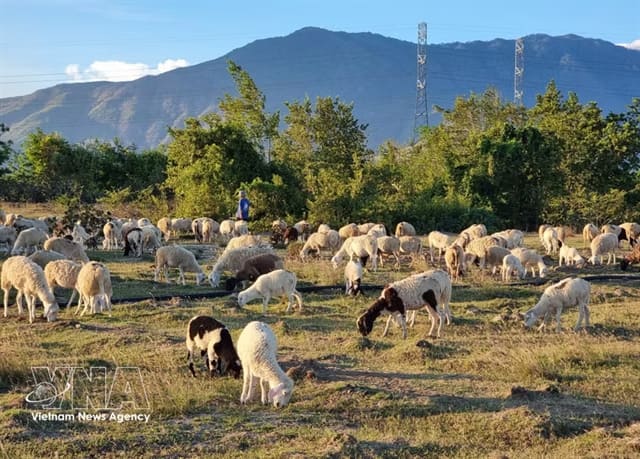
Khánh Hòa province, home to the resort city of Nha Trang on Vietnam's south-central coast, is moving to establish a Halal-compliant business environment. The initiative targets both inbound tourism from Muslim-majority countries and outbound exports to markets where Halal certification unlocks access to 1.8 billion consumers globally.
Provincial authorities are working to position Khánh Hòa as a Halal-friendly destination, according to the province. The strategy focuses on supporting local businesses in obtaining Halal certification, attracting foreign direct investment from countries with established Halal industries, and creating infrastructure for Halal logistics and manufacturing.
The province's geographical advantages include deep-water ports, proximity to major Southeast Asian shipping lanes, and an established tourism sector that already draws visitors from Indonesia, Malaysia, and the Middle East. Building a Halal ecosystem could deepen those commercial ties while opening new channels for agricultural and processed goods exports.
Beyond Tourism: Export and Investment Angles
While Halal tourism garners headlines, the economic rationale extends into agriculture, food processing, and manufacturing. Khánh Hòa's fishing industry, fruit cultivation, and seafood processing facilities stand to benefit from Halal certification, which is mandatory for food products entering markets such as Saudi Arabia, the UAE, and Indonesia.
The province aims to attract strategic partners and investors from countries with mature Halal sectors. Malaysia and Indonesia lead the region in Halal standards development, while the Gulf Cooperation Council markets represent high-value export destinations. Partnerships could bring capital, technical expertise in Halal supply chain management, and direct market access.
Vietnam's Halal sector remains underdeveloped compared to regional peers. Thailand and the Philippines have built significant Halal export industries, capturing market share in Muslim-majority countries. Khánh Hòa's initiative reflects a broader effort by Vietnamese provinces to close that gap.
Infrastructure and Certification Challenges
Establishing a Halal ecosystem requires more than promotional efforts. Businesses must navigate certification from recognized Halal authorities, which involves audits of ingredients, processing methods, storage, and transport. Vietnam lacks a unified national Halal standard, meaning exporters often seek certification from foreign bodies such as Malaysia's JAKIM or Indonesia's MUI.
The province will need to build capacity in Halal logistics, ensuring segregated supply chains and proper handling from farm or factory to port. Cold chain infrastructure, warehousing, and trained personnel are essential components that require investment.
Khánh Hòa's plan also involves attracting projects in Halal manufacturing and processing. This could include food production facilities, cosmetics, pharmaceuticals, and textiles that meet Islamic guidelines. Such projects would create jobs and diversify the province's economic base beyond tourism and traditional agriculture.
Regional Context and Competitive Landscape
Vietnam's engagement with Halal markets comes as regional competition intensifies. Thailand has positioned itself as a global Halal food hub, leveraging strong food safety standards and government support. The Philippines, with its large Muslim minority, has developed Halal export zones in Mindanao. Cambodia and Laos are also exploring Halal tourism and agriculture.
For Khánh Hòa, success will depend on execution speed, private sector uptake, and the ability to demonstrate credible Halal compliance to Muslim consumers and importers. The province's existing tourism infrastructure provides a foundation, but scaling to manufacturing and exports requires deeper institutional support and capital.
The global Halal market is projected to exceed USD 2.6 trillion by 2030, driven by population growth in Muslim-majority countries and rising middle-class incomes. Vietnam's share of that market remains minimal, presenting both opportunity and risk as regional competitors move faster.
Khánh Hòa's initiative is still in the exploratory phase. Whether it translates into measurable investment, certified facilities, and export growth will become clear over the next two to three years as the province moves from policy announcements to operational implementation.
RELATED STORIES

Stavian Group Breaks Ground on $95.6 Million Industrial Park in Thái Nguyên
Priyanka V. Rao · 3 min
Dung Quat Economic Zone Pulls $19.4 Billion in Foreign Investment
Tran Quoc Bao · 2 min
Vietnam Faces $230 Billion Export Sprint to Salvage 2026 Growth Target
Tran Quoc Bao · 2 min

Energy Infrastructure Deals Climb in Southeast Asia Amid AI Demand and Security Concerns
Cheng Wei-Lun · 4 min
Spot something wrong? Email editor@briefasia.com. We log every correction publicly.