Finance · Deals
Kakao Closes Door on Holding Company Structure for Split Entity
Seoul tech giant publicly dismisses speculation that its planned Kakao X investment vehicle would become a holding company after corporate restructuring
KEY TAKEAWAYS
- ·Kakao approved a corporate split creating Kakao AI and Kakao X, with CEO nominee Kim Do-young confirming Kakao X will not become a holding company.
- ·The distinction avoids stricter regulatory oversight from Korea's Fair Trade Commission that holding companies face under conglomerate designation rules.
- ·The AI carve-out follows regional trends as Asian tech firms separate artificial intelligence units to sharpen focus and compete with rivals like Naver.
Split Structure Takes Shape
Kakao moved to quash market speculation about its post-split corporate structure on Friday, with executives stating unequivocally that the company's planned investment vehicle will not become a holding company. The clarification came hours after the board approved a corporate split that will create two distinct entities.
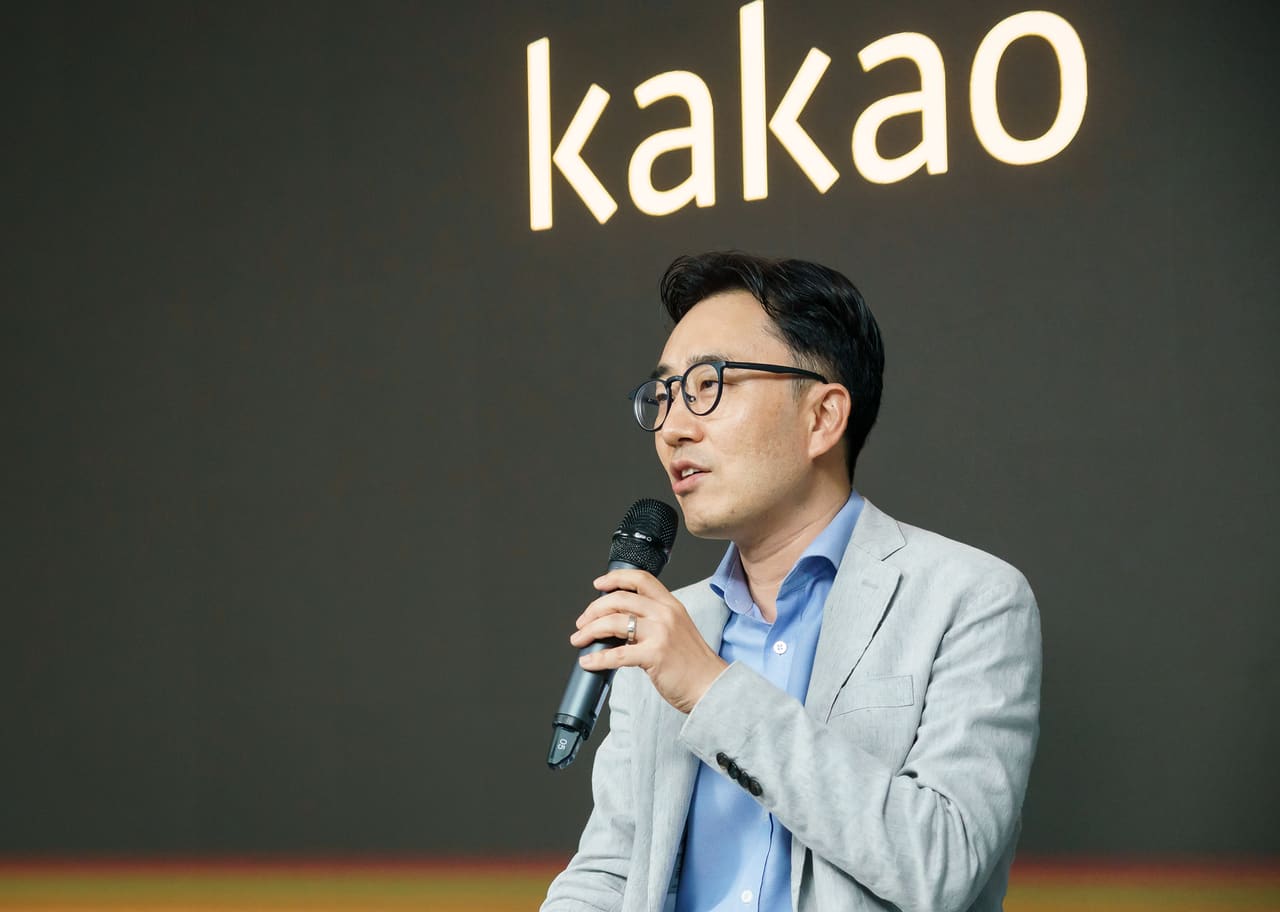
Kim Do-young, nominated to lead Kakao X, addressed the issue directly during a Friday afternoon briefing. "We can say with certainty that there are absolutely no plans to convert Kakao X into a holding company after the split," Kim said, according to the company.
The board's approval earlier that day set in motion a restructuring that will divide Kakao into Kakao AI, a newly established entity focused on artificial intelligence operations, and Kakao X, which will remain as the surviving investment company. The split represents one of the most significant corporate reorganizations in South Korea's technology sector this year.
Investment Entity, Not Conglomerate Hub
The distinction matters in the South Korean regulatory environment. Holding companies face stricter governance requirements, heightened disclosure obligations, and more rigorous oversight from the Korea Fair Trade Commission. By keeping Kakao X as an investment company rather than converting it into a holding structure, Kakao maintains operational flexibility while avoiding the regulatory burden that comes with formal conglomerate designation.
Market watchers had speculated that Kakao might eventually pivot toward a holding company model similar to structures employed by other Korean tech giants. Naver, Kakao's primary competitor, operates through a complex network of subsidiaries, and questions have circulated about whether Kakao would follow a comparable path as its portfolio of investments expands.
Friday's announcement appears designed to settle those questions before the split proceeds. Kakao X will function as an investment vehicle managing stakes across Kakao's ecosystem, which spans messaging, payments, mobility, content, and gaming. The entity will oversee capital allocation decisions but will not adopt the formal holding company designation that would trigger additional regulatory frameworks.
AI Carve-Out Reflects Regional Trends
The creation of Kakao AI as a standalone entity aligns with broader patterns across Asian technology companies. Firms from Seoul to Singapore have been carving out artificial intelligence operations into dedicated units, a move designed to sharpen focus, attract specialized talent, and provide clearer visibility into AI investment and returns for shareholders.
Kakao has invested heavily in large language models, conversational AI, and machine learning infrastructure over the past two years. Separating those efforts into Kakao AI allows the company to ring-fence resources, establish distinct performance metrics, and potentially pursue partnerships or capital raises specific to AI without entangling the broader investment portfolio housed in Kakao X.
The split also reflects competitive pressure. Naver has made aggressive moves in generative AI, launching its HyperCLOVA X model and integrating AI features across search, e-commerce, and productivity tools. Samsung has embedded AI across its device ecosystem. For Kakao, a dedicated AI entity signals commitment to the technology race while providing structural clarity for investors evaluating its position in the space.
What Comes Next
Kakao has not disclosed a timeline for completing the split, and regulatory filings will be required before the restructuring can proceed. Shareholder approval is typically necessary for corporate splits of this scale, and the company will need to navigate Fair Trade Commission review to ensure the transaction does not raise competition or governance concerns.
The market will watch how Kakao allocates resources between the two entities and whether the split unlocks valuation upside. Korean tech stocks have faced headwinds from regulatory scrutiny, slowing growth in core businesses, and uncertainty about profitability timelines for newer ventures. A cleaner corporate structure could help analysts model the businesses independently and reduce the conglomerate discount that has weighed on shares.
For now, Kakao's message is clear: Kakao X will remain an investment company, not a holding company. That decision shapes the regulatory landscape, the governance framework, and the strategic options available as the company navigates its next chapter in Asia's crowded and fast-moving technology sector.
RELATED STORIES
Singapore's Retail Fund Push Faces Test as South Korea's Leveraged ETF Losses Mount
Cheng Wei-Lun · 3 min
Samsung Unveils $80 Billion Buyback in Bid to Restore Investor Confidence
Cheng Wei-Lun · 3 min
Kakao Settles First Labor Strike With 6.3% Salary Increase
Jun-ho Seo · 2 min

Woori Bank Completes First Cross-Border Bond Settlement via ICSD Network
Cheng Wei-Lun · 3 min
Spot something wrong? Email editor@briefasia.com. We log every correction publicly.