Asia · Business
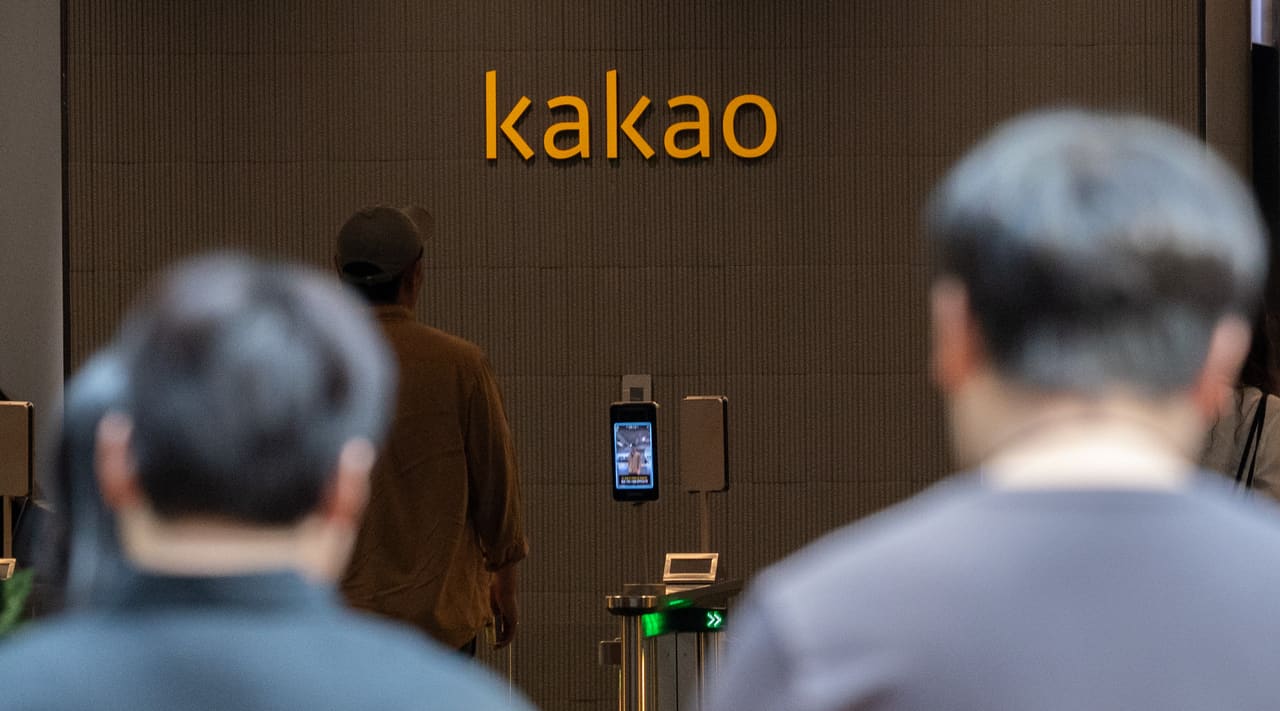
Kakao Settles First Labor Strike With 6.3% Salary Increase
South Korea's tech giant closes historic labor dispute with wage deal and cash bonus for employees
KEY TAKEAWAYS
- ·Kakao reached a wage settlement with its union following the company's first strikes, raising the salary budget 6.3 percent and paying employees 3 million won each.
- ·The agreement ends a historic labor dispute at South Korea's messaging and platform giant, which operates KakaoTalk and businesses across mobility, payments, and commerce.
- ·The settlement reflects growing labor organizing across Korean tech firms, where unions have gained leverage amid regulatory scrutiny and wage-growth demands.
Historic Agreement Closes New Chapter
Kakao has closed the book on its first labor dispute since the company's establishment, reaching a wage settlement with union members that marks a turning point for one of South Korea's largest technology conglomerates. The deal, which union members approved through a formal vote, increases the overall salary budget by 6.3 percent and includes a special one-time payment of 3 million won (approximately $2,115) per employee, according to Kakao.
The resolution ends a period of unprecedented labor action at the Pangyo-headquartered firm, which operates the country's dominant messaging platform KakaoTalk alongside businesses spanning mobility, payments, entertainment, and e-commerce. The strikes represented the first organized work stoppages in the company's history, underscoring growing labor assertiveness across South Korea's technology sector.
Terms and Implementation
Under the negotiated terms, the 6.3 percent budget expansion will fund base salary adjustments across Kakao's workforce. The structure allows for differentiated increases by role and performance tier, though the aggregate spending commitment is fixed. The 3 million won special payment applies uniformly to eligible employees and will be disbursed separately from the recurring salary adjustments.
Kakao confirmed it will implement the agreement as negotiated. "We will faithfully implement the agreement reached through the negotiations," a company official stated, adding that management intends to work collaboratively with the union moving forward.
Broader Context in Korean Tech Labor
The settlement arrives as South Korean technology companies face mounting pressure to improve compensation and working conditions. Wage growth in the sector has lagged behind profitability gains at major platforms, fueling discontent among engineers and operational staff who powered the industry's pandemic-era expansion.
Labor organizing has accelerated across Korean tech firms over the past two years, with unions forming at previously non-unionized companies and existing labor groups adopting more confrontational tactics. Kakao's strike represents one of the most visible examples of this shift, given the company's scale and public profile.
The dispute also unfolds against the backdrop of regulatory scrutiny facing Kakao and its affiliate companies. Antitrust authorities have investigated the conglomerate's market practices in multiple verticals, while lawmakers have debated measures to limit platform dominance. Labor relations add another dimension to the company's stakeholder management challenges.
What Comes Next
The wage agreement provides Kakao with near-term stability in labor relations, removing a source of operational uncertainty as the company navigates competitive and regulatory headwinds. Whether the settlement sets a precedent for other Korean tech employers remains to be seen, though union organizers at peer companies will likely reference the terms in their own negotiations.
Kakao's broader strategic priorities include defending market share in messaging and payments, expanding its content and commerce offerings, and managing the performance of its publicly traded affiliates. Labor cost increases will factor into margin guidance, particularly if the company faces pressure to extend similar terms in future bargaining cycles.
For South Korea's technology sector, the outcome signals that labor has gained leverage even at companies once considered immune to organized action. The balance between talent retention, cost discipline, and labor peace will shape how Korean platforms compete in the years ahead.
RELATED STORIES
Incheon Airport Launches Korea's First Passenger-to-Freighter Conversion Service
Cheng Wei-Lun · 3 min

Homeplus Secures Funding and Resumes Operations as Court Deadline Looms
Jun-ho Seo · 4 min

Washington's Polysilicon Tariffs Set to Squeeze Korean Solar Producers
Cheng Wei-Lun · 3 min

South Korea's Food Costs Surge as Summer Heat Ravages Farms
Jun-ho Seo · 5 min
Spot something wrong? Email editor@briefasia.com. We log every correction publicly.