Asia · Business
Homeplus Secures Funding and Resumes Operations as Court Deadline Looms
South Korean retailer begins soft launch after receiving crucial lifeline from Meritz Financial, with rehabilitation plan decision expected within weeks
KEY TAKEAWAYS
- ·Homeplus received a 200 billion won debtor-in-possession loan from Meritz Financial Group and started a soft reopening Thursday, with full operations planned next week.
- ·The court will rule on the retailer's rehabilitation plan in four weeks, after previously reversing a termination decision once the financing agreement was secured.
- ·The case reflects broader pressure on traditional retailers in South Korea facing e-commerce competition, operational inefficiencies, and shifting consumer behavior across Asia.
Cash Injection Arrives
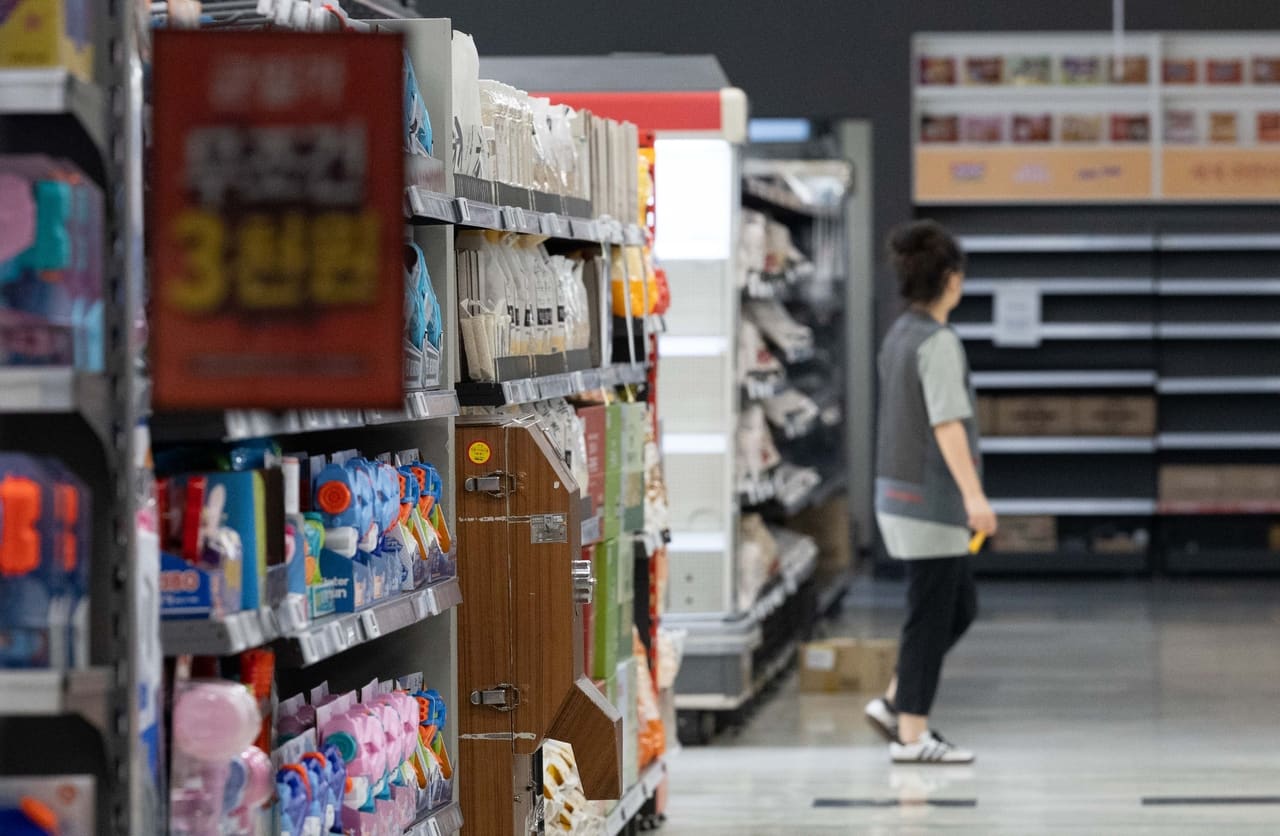
Homeplus began its soft reopening Thursday after confirming receipt of a 200 billion won ($141 million) debtor-in-possession loan from Meritz Financial Group. The financing marks a turning point for the South Korean retailer, which has been fighting to stay operational through court-supervised rehabilitation proceedings.
The company announced the funds have cleared, enabling it to resume limited operations ahead of a full restart planned for next week. Management emphasized the urgency of the timeline, with a court ruling on the retailer's restructuring proposal scheduled in approximately four weeks.
The loan arrived three weeks after a pivotal court reversal. Initially, the court had moved to terminate Homeplus's rehabilitation process, but reversed course once the financing agreement with Meritz Financial was formalized. That decision gave the retailer breathing room to execute its turnaround strategy, contingent on securing the capital that has now materialized.
Regional Retail Distress
Homeplus's struggle reflects broader challenges facing traditional brick-and-mortar retailers across South Korea and the wider Asian market. The country's retail sector has faced mounting pressure from e-commerce platforms, changing consumer habits accelerated by the pandemic, and rising operating costs that have squeezed margins across the industry.
South Korea's hypermarket sector, once dominated by large-format stores operated by conglomerates and foreign-backed chains, has seen significant consolidation over the past five years. Homeplus itself was sold by UK-based Tesco to a consortium of Korean private equity firms in 2015 for approximately $6 billion, but the anticipated turnaround never fully materialized.
The company's path into rehabilitation proceedings highlights how rapidly market conditions can erode even established retail footprints. Homeplus operated more than 140 stores at its peak, serving millions of Korean households. Yet mounting debt and operational inefficiencies left it vulnerable when consumer spending patterns shifted decisively toward online channels.
Rehabilitation Timeline Tightens
The four-week window until the court decision adds significant pressure on Homeplus management to demonstrate operational viability. Korean bankruptcy courts typically require clear evidence that a rehabilitation plan can restore profitability and satisfy creditor claims before approving continued operations under protection.
Debtor-in-possession financing serves a specific function in these proceedings. It provides working capital to keep operations running while restructuring negotiations continue, giving management the resources needed to maintain inventory, pay essential staff, and serve customers. Without it, retailers in rehabilitation often face immediate liquidation.
Meritz Financial Group's willingness to extend the facility signals some confidence in Homeplus's recovery prospects, though the terms of such loans typically include strict covenants and higher interest rates reflecting the elevated risk. The financial group has been active in distressed asset situations across Korea, bringing both capital and restructuring expertise to troubled companies.
Store Network and Employment
The soft reopening affects multiple locations across the country, though Homeplus has not disclosed the exact number of stores resuming operations this week. The phased approach allows management to test supply chain readiness and assess consumer response before expanding to the full network.
Employment implications remain a central concern. Homeplus employs thousands of workers directly and supports many more jobs through its supplier network. The retailer's ability to maintain payroll during the restructuring period depends heavily on generating sufficient revenue from reopened stores and managing cash flow tightly until the court issues its final determination.
Labor unions representing Homeplus employees have been vocal participants in the rehabilitation process, advocating for job preservation as a key component of any approved plan. Their cooperation will be essential if management hopes to execute a smooth operational restart.
Market Position and Competition
Homeplus faces intensified competition from multiple directions. E-commerce giants like Coupang have captured substantial market share in Korea's retail sector, offering rapid delivery and competitive pricing that traditional hypermarkets struggle to match. Meanwhile, discount chains and convenience store networks have expanded aggressively, targeting different segments of the consumer base.
The retailer's restructuring plan will need to address how it differentiates itself in this crowded landscape. Simply reopening stores without a clear value proposition risks burning through the newly secured capital without achieving sustainable profitability.
Some industry observers point to opportunities in hybrid retail models that blend physical locations with digital ordering and fulfillment. Korea's high population density and advanced logistics infrastructure could support such approaches, but execution remains challenging for companies emerging from financial distress.
Creditor Dynamics
The court's upcoming decision will weigh creditor interests heavily. Secured lenders, unsecured creditors, suppliers owed payment, and employees with wage claims all have stakes in the outcome. Rehabilitation plans typically involve some level of debt forgiveness or restructuring, requiring negotiations that balance competing priorities.
Meritz Financial's loan, while substantial, does not resolve the underlying debt burden that pushed Homeplus into rehabilitation. The retailer will need to demonstrate a credible path to servicing both existing obligations and the new facility, likely through a combination of asset sales, operational improvements, and potentially equity conversions that dilute current ownership.
The next four weeks will test whether management can show enough progress to convince the court that rehabilitation remains viable. Failure to meet operational targets or demonstrate market traction could prompt a shift toward liquidation proceedings instead.
What Comes Next
Homeplus has indicated full operations should resume next week, assuming the soft launch proceeds smoothly. That timeline suggests confidence in supply chain readiness and staff availability, though execution risk remains high given the compressed schedule.
The retailer's performance between now and the court hearing will likely influence the judge's assessment significantly. Strong customer traffic, stable inventory management, and clear communication with creditors could strengthen the case for approval. Operational stumbles or further financial stress would have the opposite effect.
For Korea's retail sector, the outcome carries broader implications. A successful Homeplus rehabilitation could provide a template for other struggling chains, while failure might accelerate consolidation and drive more traditional retailers toward exit strategies rather than restructuring attempts.
The clock is running, and the stakes extend well beyond a single company's balance sheet.
RELATED STORIES

South Korea's Food Costs Surge as Summer Heat Ravages Farms
Jun-ho Seo · 5 min

KT&G Posts Fourth Consecutive Quarter of Double-Digit Profit Growth
Cheng Wei-Lun · 3 min
Incheon Airport Launches Korea's First Passenger-to-Freighter Conversion Service
Cheng Wei-Lun · 3 min
Washington's Polysilicon Tariffs Set to Squeeze Korean Solar Producers
Cheng Wei-Lun · 3 min
Spot something wrong? Email editor@briefasia.com. We log every correction publicly.