Asia · Environment
South Korea's Food Costs Surge as Summer Heat Ravages Farms
Spinach prices have more than doubled while nearly a million livestock and fish have died in the country's worst heat wave in years
KEY TAKEAWAYS
- ·Spinach prices in South Korea rose 152 percent in one month as extreme heat above 40°C damaged crops vulnerable to high temperatures.
- ·More than 900,000 livestock and 864,000 fish died from heat stress by early August, with poultry accounting for 95 percent of animal losses.
- ·Government plans to increase chicken imports and expand fish promotions to prevent agricultural inflation from spreading to broader consumer prices.
Vegetable Prices Jump as Heat Withers Crops
South Korea is facing a sharp spike in agricultural commodity costs as an intense summer heat wave decimates crop yields and livestock operations. The price surge is most visible in green vegetables, which have proven especially vulnerable to sustained high temperatures that topped 40°C in some areas last week.
Spinach has become the poster child for heat-driven inflation. Retail prices for 100 grams of the leafy green climbed more than 152 percent in the month ending August 5, according to data from the Korea Agro-Fisheries & Food Trade Corp. Cucumbers followed a similar trajectory, with the cost of a ten-pack rising nearly 55 percent over the same period. Blue lettuce jumped more than 41 percent.
The price movements reflect a fundamental supply shock. Cool-season vegetables like spinach, cucumbers, and zucchini thrive in moderate temperatures but wilt quickly when exposed to prolonged heat. South Korean agriculture officials noted that these crops typically see seasonal price increases during summer months, but the current wave has been more severe and sustained than usual patterns.
The impact extends beyond the produce aisle. Farmers across the peninsula have struggled to maintain irrigation schedules and protect crops from heat stress, while wholesale markets report thinner inventories and reduced quality in available stock. The disruption arrives during a period when domestic demand for fresh vegetables remains robust, creating a classic supply-demand mismatch that has pushed retail prices to multi-year highs.
Livestock and Aquaculture Face Mounting Losses
The agricultural crisis has deepened beyond field crops. As of August 5, more than 900,000 livestock animals had perished due to heat-related stress, according to the agriculture ministry. Poultry operations bore the brunt of the damage, with chickens and ducks accounting for roughly 95 percent of total livestock deaths. The concentration of losses in poultry reflects the sector's sensitivity to temperature fluctuations and the challenges of cooling large-scale barn operations during extreme weather.
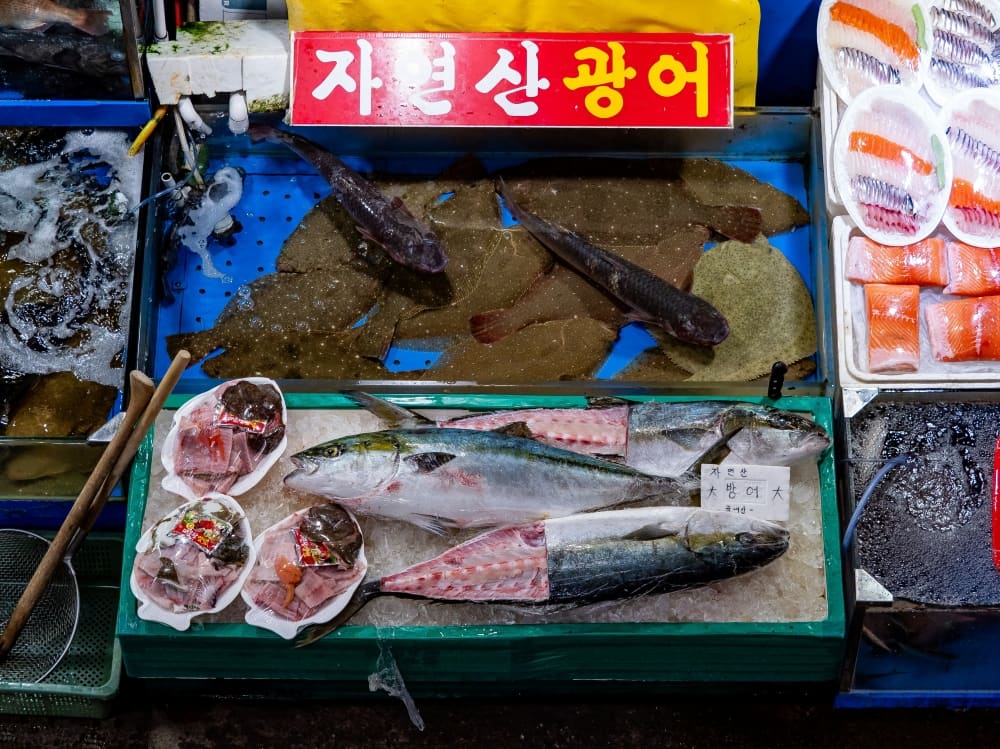
Aquaculture facilities have recorded similarly troubling figures. Fish farmers reported 864,497 deaths by the same date, driven primarily by rising ocean temperatures that have reduced dissolved oxygen levels in coastal waters. The warming trend in marine environments has proven particularly damaging to species like flounder and rockfish, which prefer cooler water conditions.
The flounder market offers a clear window into the price dynamics. Average auction prices for one kilogram of the fish reached 22,300 won between July 27 and August 1, marking a 2.3 percent increase from the prior week and a 13.2 percent jump compared to the same period in 2025, according to the National Federation of Fisheries Cooperatives.
Industry observers expect the price pressure to intensify in September. Unlike land surfaces, ocean waters retain heat longer and cool more slowly as autumn approaches. This lag effect means that even as air temperatures moderate, coastal water temperatures will remain elevated for weeks, continuing to stress fish populations and constrain supply.
Regional Implications and Policy Response
The Korean experience carries broader implications for Northeast Asia's food security. Japan and coastal China face similar heat patterns this summer, and agricultural disruptions in one major economy can ripple through regional supply chains. South Korea imports substantial volumes of feed grain and other agricultural inputs from regional partners, meaning domestic price shocks can influence cross-border trade flows and complicate inflation management across multiple markets.
Seoul has moved to cushion the blow for consumers. The government announced plans to increase imports of broiler chickens to offset domestic poultry losses and is coordinating with large discount retailers to expand promotional campaigns for fish and other protein sources. The measures aim to prevent heat-driven agricultural inflation from feeding into broader consumer price indices, a particular concern given the country's ongoing efforts to maintain price stability.
The policy toolkit reflects a balancing act. Import surges can stabilize prices but may undercut domestic producers still recovering from heat losses. Promotional campaigns can boost sales volumes but squeeze margins for retailers and wholesalers. Agriculture officials are also exploring medium-term strategies, including support for climate-resilient crop varieties and investments in cooling infrastructure for livestock facilities.
Meteorologists forecast some relief in the coming days, with midday temperatures expected to ease to around 34°C. However, the damage to summer harvests is already locked in, and the delayed cooling of ocean waters means aquaculture stress will persist well into early autumn. The full economic impact of the heat wave will become clearer in the weeks ahead, as wholesale markets adjust to reduced supply and retailers pass through cost increases to end consumers.
Broader Climate and Market Context
South Korea's agricultural sector has faced increasing volatility in recent years as climate patterns shift. The current heat wave follows a spring marked by erratic rainfall and temperature swings, compounding the challenges for farmers trying to manage planting and growing cycles. The frequency and intensity of extreme weather events have prompted calls for more robust climate adaptation strategies across the sector.
The financial stakes are significant. Agriculture and fisheries together account for a modest share of South Korea's GDP, but food price inflation carries outsized political and social weight. Rising costs for staple vegetables and protein sources can erode household purchasing power and complicate monetary policy decisions for the Bank of Korea, which has signaled caution about inflation risks even as economic growth remains sluggish.
For investors and corporate supply chain managers across Asia, the Korean situation underscores the growing importance of weather risk in agricultural commodities. Companies with exposure to food retail, restaurant operations, or agricultural inputs are increasingly factoring climate volatility into their planning models. The integration of weather derivatives and other hedging tools into agricultural finance is accelerating, reflecting a broader recognition that extreme weather is no longer an outlier event but a recurring feature of the operating environment.
As temperatures begin to moderate this week, attention will shift to damage assessments and the pace of market recovery. The coming harvest season will test whether Korean farmers can make up lost ground, or whether the summer's heat will cast a longer shadow over the country's food supply and inflation trajectory.
RELATED STORIES

Homeplus Secures Funding and Resumes Operations as Court Deadline Looms
Jun-ho Seo · 4 min
Washington's Polysilicon Tariffs Set to Squeeze Korean Solar Producers
Cheng Wei-Lun · 3 min
Incheon Airport Launches Korea's First Passenger-to-Freighter Conversion Service
Cheng Wei-Lun · 3 min

KT&G Posts Fourth Consecutive Quarter of Double-Digit Profit Growth
Cheng Wei-Lun · 3 min
Spot something wrong? Email editor@briefasia.com. We log every correction publicly.