Asia · Trade
Washington's Polysilicon Tariffs Set to Squeeze Korean Solar Producers
Planned 15 percent levy and price floor threaten manufacturers reliant on Southeast Asian supply chains as US tightens trade controls
KEY TAKEAWAYS
- ·The Trump administration is preparing to impose a 15 percent tariff and minimum price floor on polysilicon imports, with restrictions extending to wafers, cells, and modules.
- ·Korean solar manufacturers with production networks in Vietnam, Thailand, and Malaysia face direct exposure despite the measures targeting Chinese supply chains.
- ·The policy announcement expected Thursday follows a year-long review and leaves limited time for companies to reconfigure procurement or adjust pricing strategies.
Korean Solar Supply Lines Under Pressure
Korean solar panel manufacturers are bracing for impact as Washington prepares to impose new restrictions on polysilicon imports that could disrupt regional supply chains far beyond their stated China target. The Trump administration's proposed 15 percent tariff and minimum price floor would apply not only to raw polysilicon but also to downstream products including wafers, solar cells, and finished modules, according to industry analysts tracking the policy rollout.
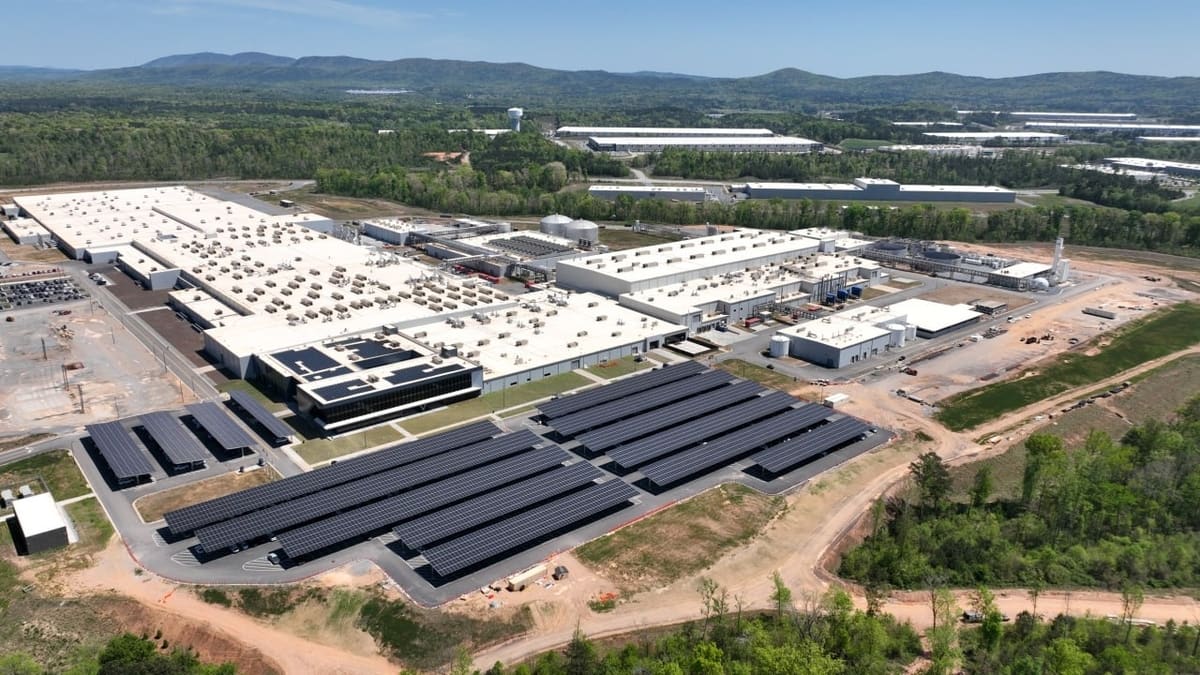
The timing creates particular pressure for Korean firms that have built production networks across Southeast Asia over the past five years. Companies including Hanwha Q CELLS and others have established manufacturing operations in Vietnam, Thailand, and Malaysia, partly to diversify away from direct China exposure while maintaining cost competitiveness. Those facilities now sit squarely in the scope of the expanded trade measures.
The restrictions were expected to be announced as early as Thursday, following the conclusion of a year-long review by US trade officials. The policy marks an escalation in Washington's efforts to reshape global solar supply chains, moving beyond targeted sanctions to broad tariff mechanisms that affect multiple Asian production hubs.
Regional Production Networks at Risk
The proposed measures would create immediate cost pressures for Korean manufacturers operating in Southeast Asia. Polysilicon sourced from Chinese producers, which currently supplies much of the region's solar manufacturing base, would face the new levy regardless of where it is processed into wafers or cells. The minimum price floor adds a second layer of control, effectively setting a baseline cost for materials entering the US market.
Korean solar firms have invested heavily in Southeast Asian capacity over the past half-decade, attracted by lower labor costs, trade preferences, and proximity to growing regional demand. Vietnam has emerged as a particularly important production hub, hosting wafer and cell lines that feed into global module assembly. Thailand and Malaysia have seen similar investment in mid-stream manufacturing.
The overlap between Korean supply chains and the scope of the new tariffs reflects the integrated nature of Asian solar production. Raw polysilicon from China moves through multiple processing stages across several countries before reaching final markets. Korean manufacturers, positioned in the middle of these flows, face exposure at multiple points.
Timing and Implementation Questions
Industry observers note that the timing of the announcement, expected in early August, leaves limited runway for companies to adjust procurement or pricing strategies ahead of the policy taking effect. The year-long review process that preceded the decision has been closely watched by solar manufacturers across Asia, with Korean firms among the most vocal in expressing concern about potential collateral impact.
The minimum price floor mechanism, if implemented as outlined, would function differently from traditional tariffs by setting an absolute cost threshold rather than a percentage levy. This approach aims to prevent circumvention through transfer pricing or subsidized exports, but it also reduces flexibility for manufacturers working with diverse supplier bases.
Korean solar executives have privately indicated that the measures could force difficult decisions about supply chain reconfiguration, including potential shifts in raw material sourcing or production locations. However, the scale of existing Southeast Asian investments and the limited availability of non-Chinese polysilicon make rapid adjustments challenging.
Asia's Solar Ecosystem in Flux
The policy shift arrives as Asia's solar manufacturing landscape undergoes broader realignment. Chinese producers have expanded capacity in Southeast Asia in recent years, often in partnership with local or regional firms. Korean manufacturers have pursued similar strategies, creating overlapping networks that now face common regulatory pressures from major export markets.
The US measures add to a growing list of trade barriers affecting solar supply chains, including earlier tariffs on Chinese-origin panels and circumvention investigations targeting Southeast Asian production. European markets are considering parallel policies, raising the prospect of coordinated restrictions across major demand centers.
For Korean solar firms, the immediate challenge lies in assessing exposure across their production footprints and identifying pathways to maintain market access. The extension of restrictions to wafers, cells, and modules means that simply relocating final assembly is unlikely to provide relief. Deeper supply chain restructuring, potentially including shifts in polysilicon sourcing, may be necessary to navigate the new trade environment.
The unfolding situation underscores the vulnerability of regionally integrated supply chains to policy decisions aimed at specific geopolitical targets. As Washington sharpens its focus on reshaping solar manufacturing flows, Asian producers with complex cross-border operations find themselves navigating an increasingly fragmented trade landscape.
RELATED STORIES

SK Hynix Eyes Stake Sale in $3 Billion China Packaging Facility
Cheng Wei-Lun · 2 min

South Korea's Food Costs Surge as Summer Heat Ravages Farms
Jun-ho Seo · 5 min
Asian Tech Stocks Surge as Weak US Jobs Data Dims Rate Hike Outlook
Cheng Wei-Lun · 4 min
Incheon Airport Launches Korea's First Passenger-to-Freighter Conversion Service
Cheng Wei-Lun · 3 min
Spot something wrong? Email editor@briefasia.com. We log every correction publicly.