Finance · Markets
Woori Bank Completes First Cross-Border Bond Settlement via ICSD Network
South Korean lender executes Korean Treasury bond transaction through international securities infrastructure, signaling broader market access for regional institutions
KEY TAKEAWAYS
- ·Woori Bank executed the first Korean government bond settlement with a foreign counterparty through an International Central Securities Depository, following regulatory approval earlier in 2026.
- ·The transaction bundled bond sale, foreign exchange conversion, and hedging operations through a single settlement channel, reducing intermediary costs and operational complexity.
- ·Direct ICSD access brings South Korean banks closer to operational parity with Japanese and Singaporean peers, with market watchers monitoring whether other Seoul lenders follow quickly.
Seoul Bank Breaks Ground on Settlement Infrastructure
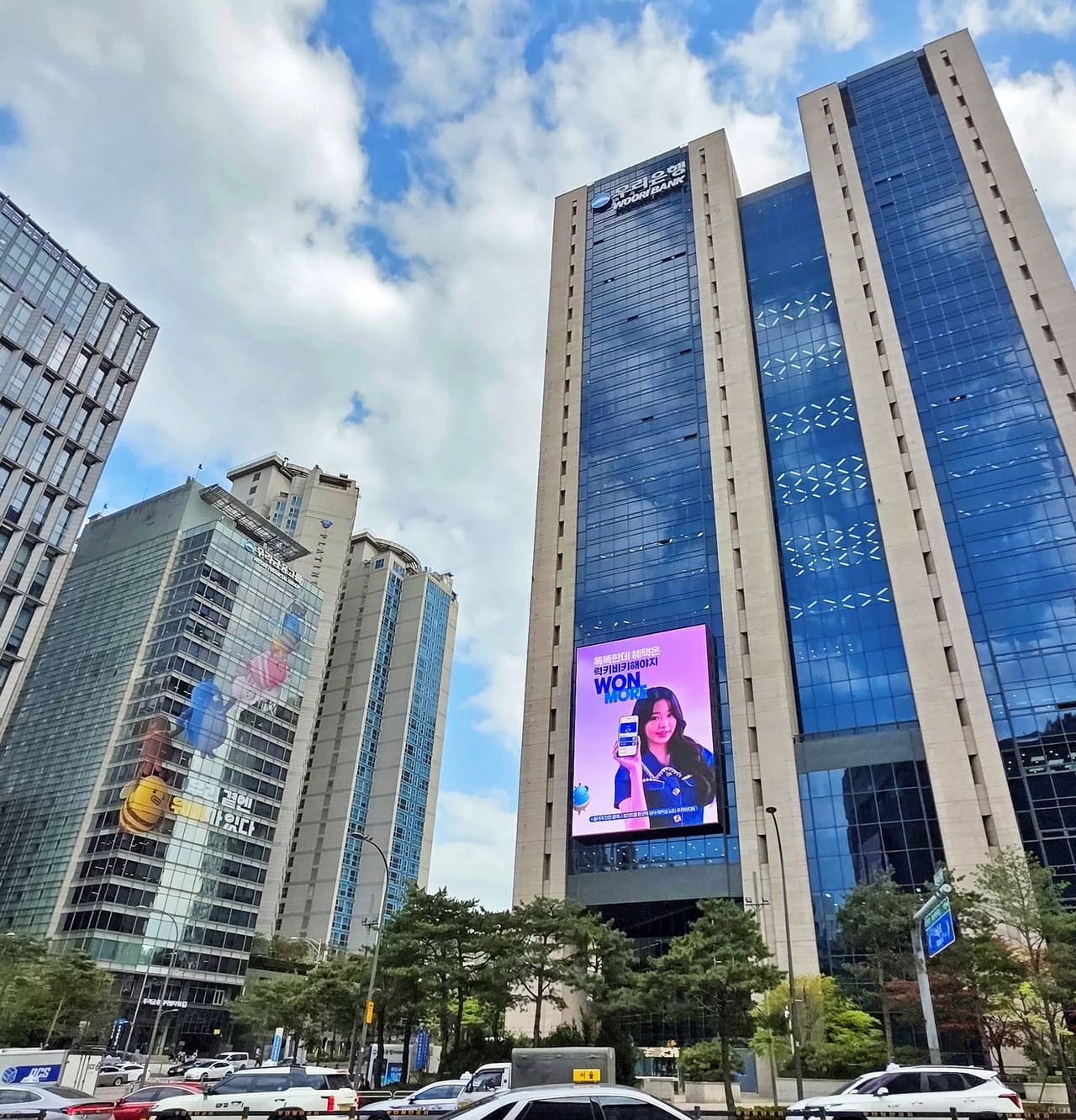
Woori Bank has executed a Korean Treasury bond transaction with a foreign financial institution using an International Central Securities Depository, marking the first time a South Korean bank has completed such a settlement through the global infrastructure. The transaction, announced Thursday, included the sale of government bonds alongside corresponding foreign exchange and hedging operations.
The milestone follows regulatory changes implemented earlier in 2026 that granted domestic banks access to ICSD channels. These networks - dominated by platforms such as Euroclear and Clearstream - serve as the backbone for cross-border securities transactions, holding and transferring assets on behalf of financial institutions globally.
Why the Infrastructure Matters
ICSDs reduce settlement risk and operational friction in international bond markets by standardizing custody, clearing, and delivery. For Korean banks, direct access eliminates the need for intermediary correspondent banks in many transactions, cutting both time and cost.
Woori's transaction demonstrates operational readiness among Seoul's larger banks to tap this infrastructure. The deal involved multiple moving parts: the bond sale itself, the foreign exchange leg to convert proceeds, and derivative hedging to manage currency or interest rate exposure. Executing all three through a single settlement channel streamlines what would otherwise require coordination across separate systems.
South Korea's government bond market has grown more attractive to foreign investors in recent years, driven by relatively higher yields compared to Japan and stable sovereign credit ratings. Opening ICSD access for domestic banks reciprocally makes it easier for those institutions to distribute Korean debt to offshore buyers and manage their own portfolios with international counterparties.
Regional Context and Next Steps
The move fits a broader pattern across North Asian financial centers. Japan's megabanks have long used ICSD networks for government and corporate bond settlements. Singapore and Hong Kong, as offshore hubs, route significant volumes through Euroclear and Clearstream daily. South Korea's regulatory green light brings its banks closer to operational parity with regional peers.
Market participants will watch whether other Korean lenders - KB, Shinhan, Hana - follow quickly or whether Woori's early-mover advantage translates into deeper relationships with foreign asset managers. The test will be transaction volume: a single pilot deal proves technical capability, but sustained flow indicates genuine market appetite and competitive pricing.
For Korea's capital markets, the development also has implications beyond banking. If domestic insurers, asset managers, and pension funds gain similar ICSD access, cross-border portfolio investment could accelerate. The National Pension Service, one of the world's largest institutional investors, already allocates heavily to foreign assets; direct settlement infrastructure would reduce its reliance on global custodian banks.
Woori has not disclosed the size of the transaction or the identity of the foreign counterparty. Nor has it specified which ICSD platform it used, though Euroclear and Clearstream dominate the market. The bank's statement emphasized the operational complexity of coordinating bond settlement, FX conversion, and hedging in a single workflow - a signal that it views the capability as a competitive edge in serving corporate and institutional clients with cross-border needs.
Regulators in Seoul have prioritized financial market infrastructure upgrades as part of efforts to deepen capital markets and attract foreign participation. The ICSD access granted this year complements earlier initiatives, including extended trading hours for the won and streamlined registration for foreign investors in Korean equities and bonds. Whether these changes meaningfully shift Seoul's position in regional capital flows will depend on sustained policy support and market adoption by both domestic and offshore players.
RELATED STORIES
Kakao Mobility Files for $1 Billion US IPO
Cheng Wei-Lun · 3 min
Woori Financial Group Plans $39 Billion Insurance Merger in South Korea
Cheng Wei-Lun · 3 min
SK hynix Unveils $28.7 Billion Share Buyback as Memory Sector Braces for Volatility
Cheng Wei-Lun · 3 min
Seoul Stocks Rebound After Sharp Tech Selloff
Cheng Wei-Lun · 3 min
Spot something wrong? Email editor@briefasia.com. We log every correction publicly.