Finance · Deals
SK Hynix Shifts Profit Bonuses to Equity, Links Pay to Loss Risk
South Korea's memory giant and its union finalize deal that pays 60 percent of profit-sharing in stock, introduces wage deferrals tied to financial performance
KEY TAKEAWAYS
- ·SK hynix will pay 60 percent of profit-sharing bonuses in company stock, with 40 percent in cash, following a union agreement that also includes a 6.3 percent wage increase.
- ·The deal introduces wage deferrals if the chipmaker posts a loss, shifting downside risk to employees in a move uncommon for South Korean chaebol labor agreements.
- ·The agreement may set a precedent for other capital-intensive exporters in Asia as chipmakers balance cyclical revenue swings with rising labor costs and retention needs.
A New Compensation Model
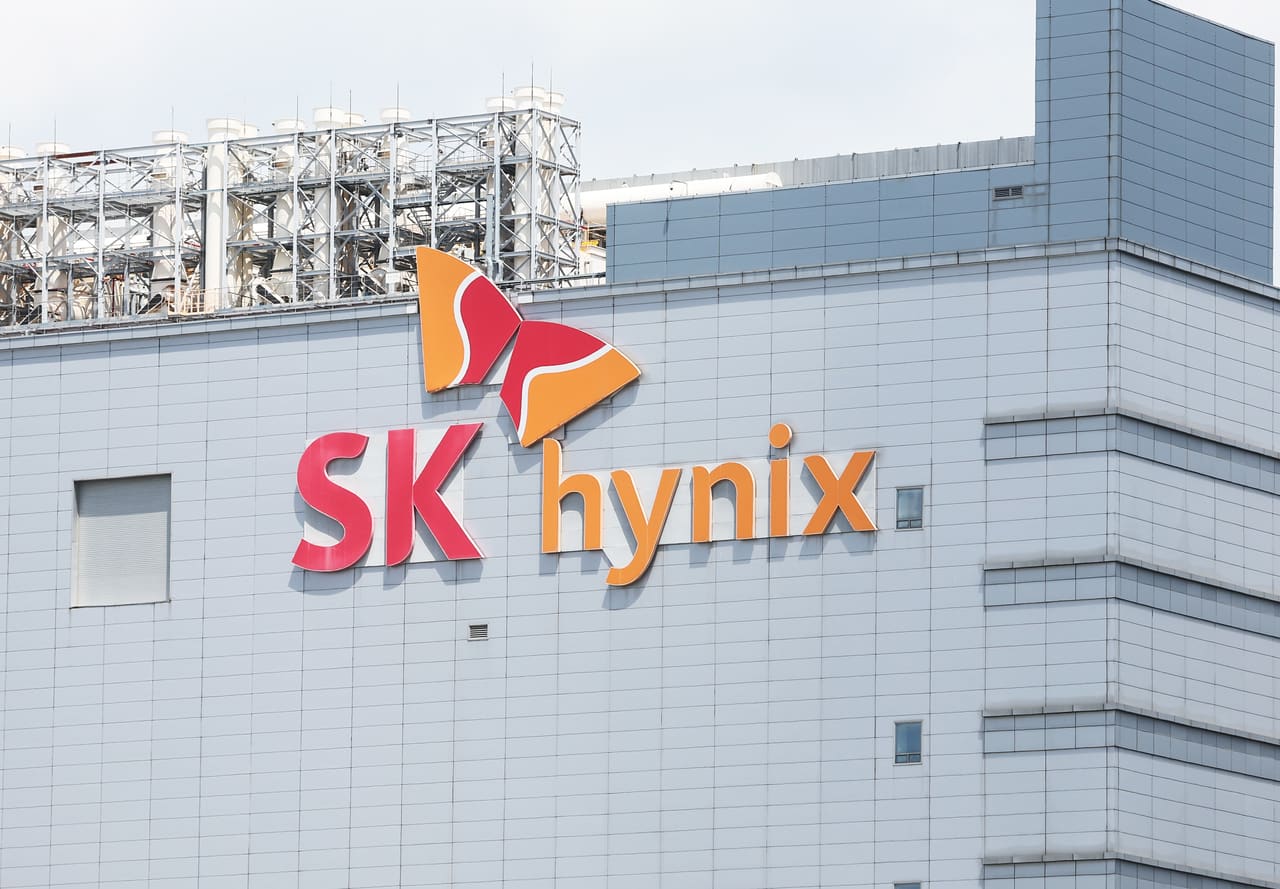
SK hynix has locked in a compensation structure that ties employee rewards more closely to the company's financial trajectory. The memory chipmaker and its labor union finalized terms Thursday that will deliver 60 percent of profit-sharing bonuses in company stock rather than cash, while introducing a mechanism to defer wages if the firm reports a loss.
The arrangement emerged from this year's wage and collective bargaining negotiations. SK hynix announced a 6.3 percent base wage increase alongside the new profit-sharing framework, which gives workers more flexibility in how they receive performance-based payouts.
Under the agreement, 40 percent of profit-sharing bonuses will be paid in cash in the year they are earned. The remaining 60 percent converts to equity, a move that shifts a significant portion of variable compensation into longer-term alignment with shareholder interests. The wage deferral provision, meanwhile, creates a buffer for the company during downturns, a reality South Korean chipmakers have navigated repeatedly over the past decade as memory prices swing between oversupply and shortage.
Why This Matters in Seoul and Beyond
The deal reflects a broader recalibration across Asia's semiconductor industry, where labor costs, capital intensity, and cyclical revenue swings are colliding. SK hynix competes directly with Samsung Electronics in DRAM and NAND markets, and both face mounting pressure from Chinese rivals and the capital demands of high-bandwidth memory production for AI accelerators.
Equity-based compensation is not new in tech, but its adoption in unionized manufacturing environments in South Korea has been slower than in Silicon Valley or Taiwan. By converting a majority of profit-sharing to stock, SK hynix reduces immediate cash outlays in boom years while betting that employees will accept delayed liquidity in exchange for potential upside. The wage deferral clause, conditional on losses, introduces downside risk-sharing that is uncommon in South Korean chaebol labor agreements.
For the union, the tradeoff appears to hinge on the base wage increase and the flexibility language around profit-sharing. Workers retain cash for a portion of their bonuses, but the equity component means their total compensation now fluctuates with share price and vesting schedules. If SK hynix continues its recent profitability driven by HBM sales to Nvidia and other AI chip designers, the stock component could prove lucrative. If memory prices soften or the company hits a loss quarter, deferred wages and illiquid equity could squeeze household budgets.
Regional Context and Precedent
South Korea's semiconductor workforce has grown more assertive in recent years, with unions at both SK hynix and Samsung pushing for higher base pay and profit-sharing formulas that reflect the sector's outsize contribution to national GDP. Samsung's union staged its first-ever strike in 2024, and labor negotiations have since become higher-stakes affairs as chipmakers race to build advanced packaging lines and EUV-based fabs.
The SK hynix agreement may set a template for future talks across the chaebol system. If equity compensation and conditional wage deferrals become standard, other capital-intensive exporters facing cyclical demand could adopt similar frameworks. That would represent a shift from the postwar model of stable wages and seniority-based pay toward variable structures more common in North American and European tech firms.
Taiwan's TSMC, by contrast, has long used stock bonuses as a retention tool, though its profit-sharing remains largely discretionary and tied to individual performance rather than collective bargaining. Japanese chipmakers, meanwhile, have seen limited union activity as consolidation and joint ventures with foreign partners reshape the industry.
What Comes Next
The tentative agreement now moves to a ratification vote among SK hynix employees. If approved, the new compensation structure will take effect in the current fiscal year, with the first equity-based profit-sharing payouts likely in early 2027.
Investors will watch whether the equity issuance dilutes existing shareholders and how the company accounts for deferred wage liabilities on its balance sheet. Analysts will also track whether the wage deferral clause is triggered, which would signal a downturn in memory markets or a strategic loss tied to capacity expansion.
For Asia's chip sector, the deal is a data point in a larger question: how to retain talent and manage costs as the industry moves from commodity memory to specialized, high-margin products that require both heavy capital and deep engineering benches. SK hynix has chosen to share upside through equity and downside through deferrals. Whether that proves sustainable will depend on how long the current AI-driven memory boom lasts and whether employees remain willing to accept compensation volatility in exchange for potential long-term gains.
RELATED STORIES
Samsung Unveils $80 Billion Buyback in Bid to Restore Investor Confidence
Cheng Wei-Lun · 3 min
SK hynix Unveils $28.7 Billion Share Buyback as Memory Sector Braces for Volatility
Cheng Wei-Lun · 3 min
Kakao Closes Door on Holding Company Structure for Split Entity
Jun-ho Seo · 3 min
Singapore's Retail Fund Push Faces Test as South Korea's Leveraged ETF Losses Mount
Cheng Wei-Lun · 3 min
Spot something wrong? Email editor@briefasia.com. We log every correction publicly.