Asia · Politics
Seoul Faces Economic Pressure as US Policy Shift Strains Trade and Security Ties
President Lee Jae Myung navigates mounting challenges from Washington's evolving stance on bilateral relations, raising questions about South Korea's economic trajectory
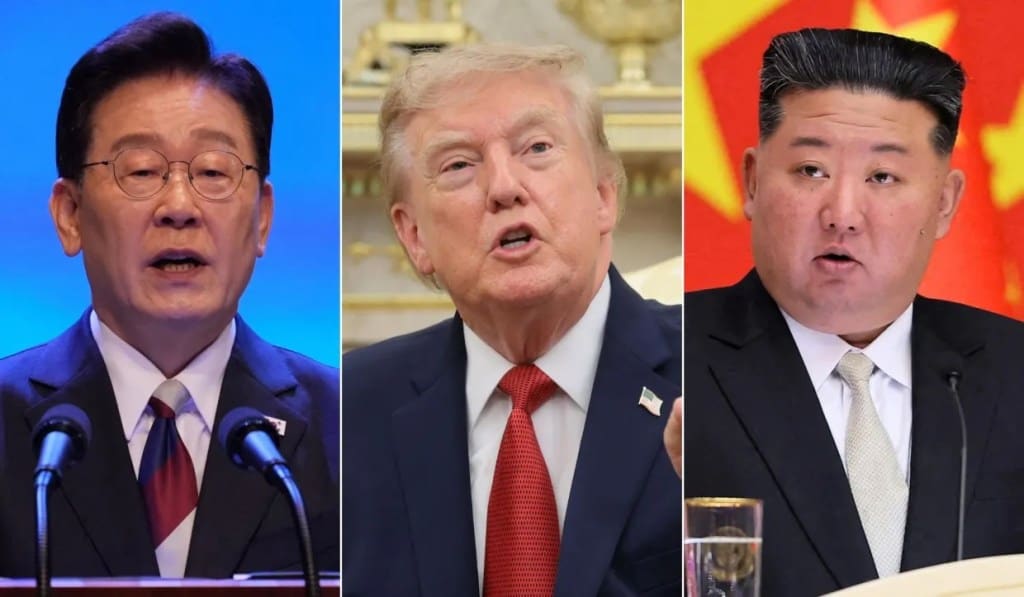
KEY TAKEAWAYS
- ·President Lee Jae Myung confronts growing economic and security pressure as US policy shifts strain South Korea's bilateral relationship with Washington.
- ·South Korean semiconductor and automotive exports face heightened uncertainty from potential trade restrictions and changing market access rules.
- ·Seoul must balance US alliance commitments with economic diversification needs as regional competition intensifies across Asia.
Bilateral Tensions Rise
South Korea finds itself in an increasingly uncomfortable position as Washington recalibrates its approach to the bilateral relationship. President Lee Jae Myung's administration is confronting a series of policy headwinds originating from the United States that threaten to complicate both Seoul's economic planning and its regional security posture.
The friction marks a notable shift in the dynamics between the two longtime allies. For decades, South Korea has anchored its economic model on robust trade ties with the US while maintaining security guarantees through the military alliance. That dual foundation now faces stress tests on multiple fronts.
Trade and Industrial Policy at Stake
Seoul's export-driven economy depends heavily on access to American markets, particularly in sectors such as semiconductors, automotive manufacturing, and consumer electronics. Any disruption to these channels carries immediate consequences for South Korean conglomerates and their sprawling supply chains across Asia.
The timing is particularly delicate. South Korea's semiconductor industry, led by Samsung Electronics and SK Hynix, has invested billions in advanced fabrication capacity. These firms supply critical components to US technology giants and defense contractors. Policy changes that restrict market access or impose new tariff structures could undermine the business case for those investments.
Automotive exports represent another pressure point. Hyundai and Kia have built significant manufacturing footprints in the United States, but their profitability models assume stable regulatory environments and predictable trade rules. Sudden policy pivots create planning uncertainty that ripples through investment decisions and employment levels.
Security Calculations Complicate the Picture
The economic strain arrives amid broader questions about US security commitments in Northeast Asia. South Korea faces persistent threats from North Korea's nuclear and missile programs, and Seoul has long relied on American military support as a core element of its defense strategy.
Any perceived weakening of that commitment forces Lee's government to weigh costly alternatives. Increased defense spending would strain fiscal resources. Closer security cooperation with regional partners such as Japan remains politically sensitive in Seoul. Autonomous defense capabilities, including indigenous nuclear deterrence, spark domestic debate and international concern.
Washington's policy signals on burden-sharing and alliance priorities therefore carry weight far beyond the immediate military domain. They shape South Korean calculations about industrial policy, technology partnerships, and diplomatic alignments across the region.
Regional Competition Intensifies
South Korea's challenges unfold against a backdrop of intensifying competition for influence in Asia. Beijing continues to expand its economic footprint through infrastructure investment and trade integration. Tokyo pursues its own strategic partnerships and technology alliances. Southeast Asian economies navigate between major powers while building their own industrial capabilities.
Seoul's ability to maintain its competitive position depends on stable access to key markets and predictable rules of engagement. Disruptions to those conditions force difficult choices. Pivoting too far toward alternative partnerships risks alienating Washington. Remaining too dependent on US markets leaves Seoul vulnerable to policy volatility.
The semiconductor sector illustrates these tensions. South Korean firms must balance American pressure to limit technology transfers to China with their need to serve the world's largest consumer market. Export controls and supply chain restrictions create operational complexity and strategic dilemmas.
Economic Data Reflects Uncertainty
Recent economic indicators suggest the strain is already visible. Export growth has softened in key categories. Business confidence surveys show increased caution about capital expenditure plans. Currency markets reflect investor concern about policy uncertainty.
The Bank of Korea faces its own balancing act. Supporting growth through accommodative monetary policy risks currency depreciation and imported inflation. Tightening to defend the won could choke off recovery momentum. External shocks from trade policy complicate an already delicate calibration.
Lee's government has limited fiscal room to cushion the impact. Public debt levels rose during the pandemic, and demographic pressures from an aging population constrain long-term spending flexibility. Stimulus measures must be carefully targeted to avoid crowding out private investment or triggering sustainability concerns.
What Comes Next
The path forward requires Seoul to navigate multiple constraints simultaneously. Maintaining the US alliance remains a strategic priority, but not at the cost of economic viability. Diversifying trade relationships offers resilience, but demands careful diplomacy to avoid antagonizing Washington.
Technology policy will prove particularly consequential. South Korea's competitive edge in semiconductors, batteries, and advanced manufacturing depends on access to global talent, capital, and markets. Any fragmentation of those networks diminishes Seoul's strategic position.
Lee's administration must also manage domestic political pressures. South Korean voters expect economic growth and job creation. Visible subservience to external demands carries political costs. Finding a posture that preserves sovereignty while accommodating alliance realities will test the president's political skill.
The broader lesson extends beyond Seoul. Middle powers across Asia face similar dilemmas as great power competition reshapes regional order. Economic integration and security alignments no longer run on parallel tracks. Navigating the intersection demands strategic clarity and diplomatic agility.
For South Korea, the stakes are immediate and substantial. The country's prosperity and security both depend on choices made in the coming months. How Lee responds will shape not just South Korea's trajectory, but also the broader pattern of alignment and hedging across the region.
RELATED STORIES
South Korea Creates Fiscal Buffer Fund to Manage Semiconductor Tax Surge
Cheng Wei-Lun · 4 min
South Korea's Central Bank Set to Lift 2026 Growth Forecast Above 3 Percent
Cheng Wei-Lun · 3 min
Hyundai Motor Faces First Full-Day Strike in a Decade as Wage Talks Stall
Jun-ho Seo · 2 min

South Korea's Alcohol Production Hits 27-Year Low as Wellness Trends Reshape Drinking Culture
Cheng Wei-Lun · 3 min
Spot something wrong? Email editor@briefasia.com. We log every correction publicly.