Asia · Politics
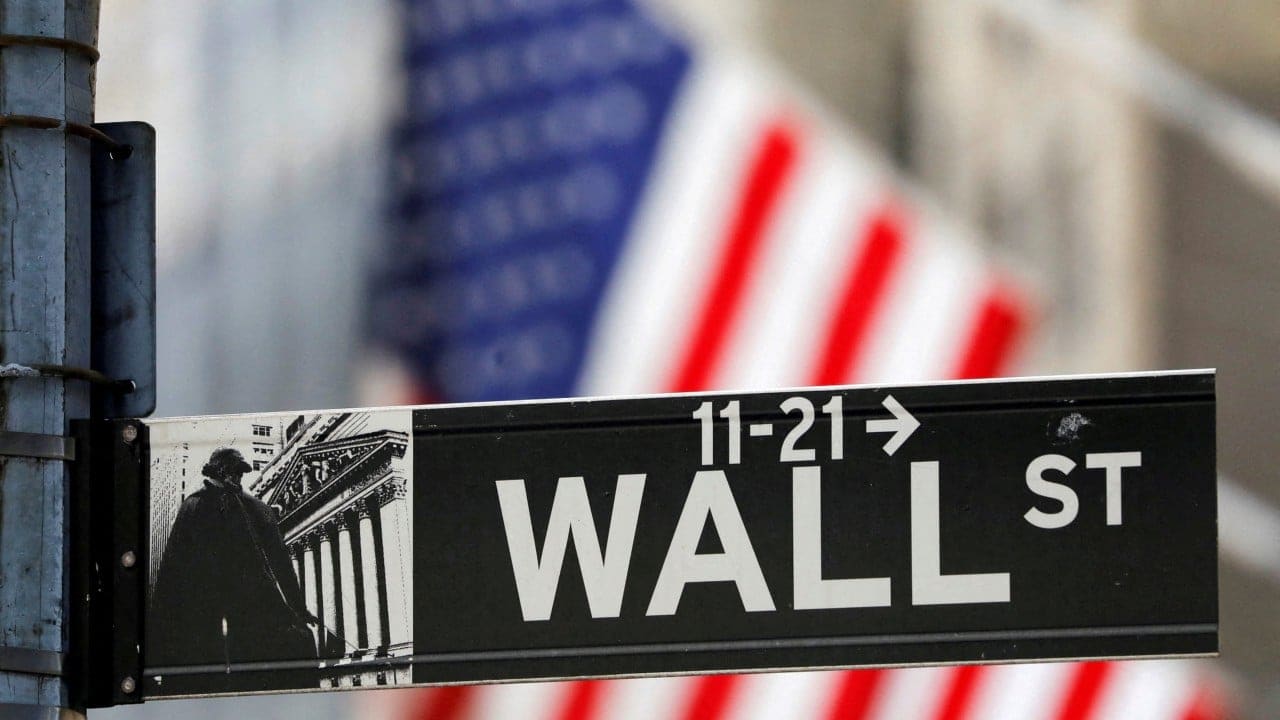
Wall Street's Access to Beijing's Leadership Fades Despite Market Opening
American financiers who once enjoyed direct meetings with China's top officials now find those doors quietly closing
KEY TAKEAWAYS
- ·Wall Street executives who once held regular private meetings with China's top leadership now find that access has largely disappeared, despite continued commercial operations.
- ·China has technically opened its financial sector further in recent years, lifting foreign ownership caps and expanding investment quotas, creating a paradox of regulatory liberalization alongside diminished elite political access.
- ·The shift reflects geopolitical tension, domestic political currents emphasizing self-reliance, and generational change in Chinese leadership less inclined to personal diplomacy with foreign financiers.
The Quiet Shift
American finance chiefs who once walked the halls of Zhongnanhai with regularity now find themselves managing China exposure from afar. The change is not dramatic - no announcements, no policy reversals - but unmistakable to those who track elite access in Beijing.
Henry Paulson, Stephen Schwarzman, and Ray Dalio each built reputations as conduits between Wall Street and the Communist Party leadership. Their firms poured capital into Chinese markets during the reform decades, and in return they received something rare: direct conversations with the officials who set the course for the world's second-largest economy.
That arrangement has frayed. While business delegations still arrive in Shanghai and Shenzhen, and while American asset managers continue to expand onshore operations, the private meetings at the apex of power have thinned considerably.
The Old Guard
Goldman Sachs entered China in 1994, years before the country joined the World Trade Organization. Paulson, who led the firm before becoming U.S. Treasury Secretary, made more than 70 trips to China during his career. Schwarzman's Blackstone established one of the earliest large-scale private equity presences in the region, and Dalio's Bridgewater became a fixture in Chinese institutional circles.
These relationships were not merely transactional. Beijing cultivated a network of Western financiers who could explain China's trajectory to skeptical audiences in New York and Washington, and who brought not just capital but credibility. The term "old friends of China" carried weight - it signaled trust, longevity, and access.
The Paradox of Opening
China has, by several measures, opened its financial sector further in recent years. Foreign ownership caps on securities firms were lifted. The Shanghai-Hong Kong and Shenzhen-Hong Kong Stock Connect programs expanded. Qualified Foreign Institutional Investor quotas were relaxed, then effectively abolished.
Yet this technical liberalization has coincided with a contraction in elite political access. The paradox is striking: as the regulatory architecture becomes more permissive, the informal channels that once mattered most have narrowed.
Several factors appear at work. Geopolitical tension between Washington and Beijing has made high-profile American executives more complicated guests. Domestic political currents in China have shifted emphasis toward self-reliance and away from the reform-era openness that welcomed foreign capital as a strategic necessity. And a generational change in Chinese leadership has brought officials less inclined to the personal diplomacy that characterized earlier decades.
What Remains
Wall Street has not retreated from China. BlackRock, Fidelity, and other asset managers have launched wholly owned mutual fund ventures. Goldman Sachs and Morgan Stanley control their China securities joint ventures outright. The flow of capital continues, managed through institutional channels rather than personal relationships.
But the strategic conversations that once shaped market reforms and cross-border investment frameworks now happen, if at all, through formal diplomatic and regulatory channels. The era of the financier-statesman, able to phone a vice premier or secure a meeting with the premier himself, has receded.
Implications for Capital Flows
The shift raises questions about how information and influence will move between the world's two largest economies. Personal relationships lubricated misunderstandings and provided early warning of policy shifts. Without them, both sides risk operating with less granular intelligence.
For American firms, the challenge is navigating a market that remains large and profitable but increasingly opaque at the decision-making level. For Chinese officials, the risk is that capital allocators in New York and London form judgments based on regulatory text and public statements alone, missing the nuance that informal dialogue once provided.
The door has not closed entirely. Visits continue, and commercial relationships endure. But the days when a Wall Street chief could expect a quiet hour with China's top economic policymakers appear to belong to a different era - one that both sides remember, but neither seems eager to restore.
RELATED STORIES
Indonesian Investment Climbs as Trade War Reshapes Asian Capital Flows
Siti Nuraini · 5 min

Malaysian Rubber Prices Climb on China Restocking and Supply Risks
Priyanka V. Rao · 3 min
Taiwan's National Security Council Expands Role in Defense Strategy
Cheng Wei-Lun · 3 min
Vietnam's National Assembly Closes Extraordinary Session With Nuclear and Renewable Energy Approvals
Tran Quoc Bao · 3 min
Spot something wrong? Email editor@briefasia.com. We log every correction publicly.