Sustainability · Mobility
Nine Automakers Face China's Largest Vehicle Recall Over Retractable Door Handles
Safety concerns around electric vehicle door handle design trigger unprecedented regulatory action affecting Tesla and eight other manufacturers
KEY TAKEAWAYS
- ·China has ordered nine automakers including Tesla to participate in the country's largest vehicle recall, addressing safety risks in retractable door handles used primarily in electric vehicles.
- ·The handles can fail during emergencies such as fires or power loss, potentially trapping occupants when electronic extension mechanisms malfunction.
- ·Manufacturers must retrofit affected vehicles with mechanical backup systems or software updates, straining service networks across China's vast market.
Unprecedented Scale of Action
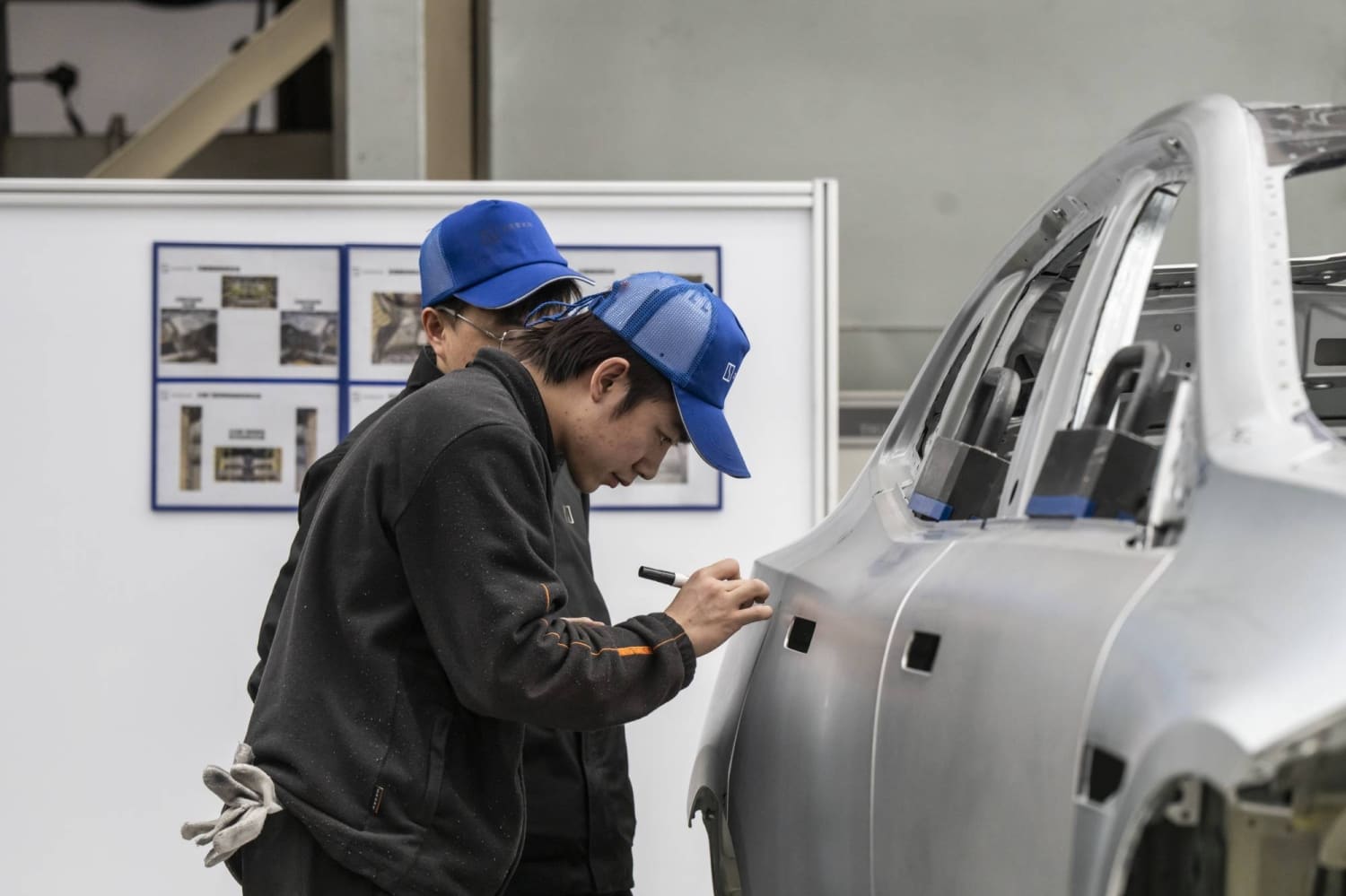
China has launched its largest vehicle recall on record, requiring nine automakers to remedy safety hazards linked to retractable door handles. The design feature, which Tesla helped popularize across the electric vehicle segment, has become the focus of regulatory scrutiny after incidents raised concerns about occupant safety.
The recall affects multiple manufacturers that adopted the flush-mount handle design, a styling choice favored in electric vehicles for its aerodynamic benefits and modern aesthetic. Retractable handles sit flush with the door surface when not in use, extending outward when a driver approaches or presses a release mechanism.
The Safety Concern
Regulators identified specific dangers associated with the retractable mechanism. In emergency situations, particularly accidents involving fire or water submersion, the handles can fail to extend or become difficult to operate. The electronic systems that control the handles may malfunction during power failures, potentially trapping occupants inside vehicles.
The issue carries particular weight in electric vehicles, where battery fires can escalate rapidly and high-voltage systems may complicate rescue efforts. Traditional exterior door handles offer immediate mechanical access, while retractable versions introduce an additional point of potential failure.
Tesla pioneered the widespread adoption of retractable door handles with its Model S sedan, positioning the feature as both a design statement and an efficiency measure. The flush surface reduces aerodynamic drag, extending vehicle range in a segment where every percentage point of efficiency matters. Competitors across Asia, Europe, and North America subsequently incorporated similar designs into their own electric and luxury models.
Regional Manufacturing Impact
The recall's scale reflects China's position as the world's largest automotive market and a manufacturing hub for both domestic and international brands. Chinese electric vehicle makers have rapidly scaled production over the past five years, with many adopting design elements that signal technological sophistication to buyers.
Several Chinese manufacturers built their brand identities around premium electric vehicles featuring retractable handles, panoramic glass roofs, and minimalist interiors. The recall requires these companies to retrofit vehicles already in customer hands, a logistically complex operation that may strain service networks still developing capacity to support growing EV fleets.
International automakers with Chinese manufacturing operations face dual challenges: managing the recall logistics while maintaining production schedules in a market where monthly sales figures heavily influence investor sentiment and government relationships. Tesla operates a major manufacturing facility in Shanghai that serves both domestic and export markets.
Technical Remediation
The specific remediation measures vary by manufacturer and model, but generally involve hardware modifications or software updates to ensure handles can be manually operated even during electrical system failures. Some solutions add mechanical backup release mechanisms accessible from outside the vehicle, while others reprogram control systems to prioritize handle extension during impact detection or power loss events.
The retrofitting process requires specialized parts and trained technicians, resources that may be unevenly distributed across China's vast geography. Urban centers with concentrated EV adoption and established service infrastructure can process recalls more quickly than secondary and tertiary cities where EV ownership is newer and service networks thinner.
Market Implications
China's automotive regulators have demonstrated increasing willingness to mandate safety improvements even when doing so affects major manufacturers or introduces short-term market disruptions. The recall signals that design elements imported from premium segments will face the same scrutiny as traditional safety systems.
For automakers, the action creates immediate costs in parts, labor, and potential reputation damage, but also establishes clearer expectations for future vehicle designs. Companies developing next-generation electric platforms must now weigh aerodynamic and aesthetic benefits against regulatory risk and emergency access requirements.
The recall may accelerate industry discussion around standardizing emergency egress systems for electric vehicles, particularly as the segment expands beyond early adopters into mass-market ownership where buyer familiarity with vehicle-specific features cannot be assumed.
RELATED STORIES
Chinese Automakers Target Hybrid Market After Electric Vehicle Success
Cheng Wei-Lun · 3 min
China Orders Record Auto Recall Over Emergency Door Release Flaws
Cheng Wei-Lun · 3 min
Tesla Recalls 2.9 Million Vehicles in China Over Emergency Door Access
Cheng Wei-Lun · 3 min
Thailand Urged to Tie EV Investment to Local Supply Chain Development
Priyanka V. Rao · 3 min
Spot something wrong? Email editor@briefasia.com. We log every correction publicly.