Technology · Products
Tesla Recalls 2.9 Million Vehicles in China Over Emergency Door Access
Beijing regulators flag interior handle design that obscures emergency exits; eight Chinese automakers face similar safety mandates
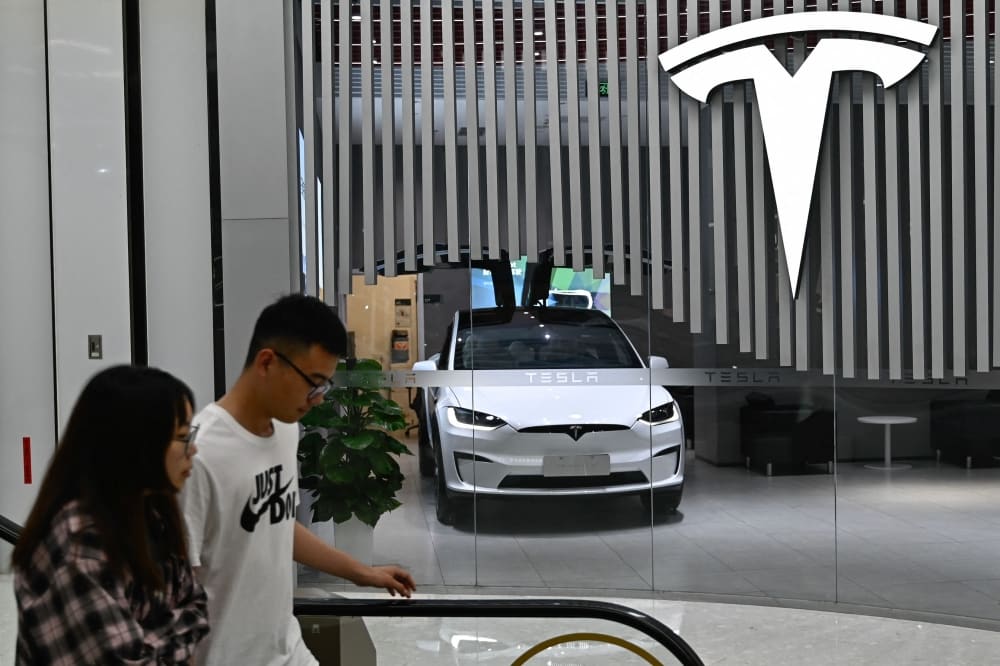
KEY TAKEAWAYS
- ·Tesla is recalling 2.9 million domestically made Model 3 and Model Y vehicles in China starting September 25 over interior door handles that are difficult to locate in emergencies.
- ·Eight Chinese automakers including Xiaomi, XPeng, and Geely are conducting parallel recalls affecting over 800,000 additional vehicles with similar camouflaged emergency releases.
- ·China will ban concealed door handles on new vehicles from January 1, 2027, requiring identifiable mechanical releases on both interior and exterior surfaces.
Scale of the Action
Tesla will recall 2.9 million domestically manufactured Model 3 and Model Y electric vehicles in China beginning September 25, according to the State Administration for Market Regulation. The action addresses interior emergency handles that blend into cabin trim, making them difficult to locate during crashes or fires. An additional 46,000 imported Model 3, Model X, and Model S units face the same recall.
The timing underscores Beijing's intensifying focus on EV safety as the country's electric vehicle fleet expands. Tesla operates one of its largest production facilities in Shanghai, and China remains the company's second-largest market after the United States.
The Design Problem
The recalled vehicles feature mechanical emergency releases that match interior color schemes, rendering them nearly invisible under stress. In Model 3 rear seats, passengers must reach into the door pocket compartment and pull a release cable to manually open the door, a process that requires prior knowledge of the mechanism's location.
SAMR described the risk in technical terms: when a severe collision disables the low-voltage electrical system, the camouflaged handles may prevent occupants from exiting quickly and hinder external rescue efforts. The issue affects both powered door systems and backup mechanical releases.
Tesla is also recalling 2.7 million domestically produced Model 3 and Model Y vehicles over separate monitoring system deficiencies related to steering assist functions. Regulators did not clarify whether overlap exists between the two recall populations.
Industry-Wide Mandate
Eight Chinese automakers face parallel recalls over identical handle visibility issues. Xiaomi recalled roughly 390,000 units of its 2024 SU7 sedan series starting August 22. XPeng began recalling nearly 265,000 vehicles the following day. Geely initiated a recall of approximately 92,000 Zeekr luxury brand cars on August 25.
BAIC BluePark, a subsidiary of state-owned BAIC Group, is recalling around 46,000 Arcfox Kaola EVs for lacking dedicated text warnings near the emergency mechanism on the right rear sliding door. Chery and Leapmotor also filed recalls, though unit counts were not disclosed.
Manufacturers are offering free warning label installations near affected handles. Several companies plan over-the-air software updates to automatically lower windows following a collision, creating an alternative exit route.
Regulatory Backdrop
The recalls align with new standards China announced in February that will ban concealed door handles starting January 1, 2027. The Ministry of Industry and Information Technology rule requires all vehicles to feature both interior and exterior mechanical door releases that are immediately identifiable.
Electronic folding door handles debuted with Tesla's 2012 Model S launch, reducing aerodynamic drag by retracting flush with the body when the vehicle is in motion. Chinese EV startups adopted the feature widely as part of premium design language emphasizing minimalism and technology integration.
The regulatory intervention follows rising public concern over high-tech cabin designs that fail during electrical system loss. Social media discussions in China have highlighted cases where occupants struggled to escape vehicles after accidents disabled electronic controls.
Market Implications
China produced 9.5 million new energy vehicles in 2025, making it the world's largest EV market. The recall wave affects a significant portion of the installed base and signals stricter scrutiny of design choices that prioritize aesthetics or efficiency over fail-safe operation.
Tesla's Shanghai Gigafactory produced over 950,000 vehicles in 2025, supplying both domestic buyers and export markets across Asia-Pacific. The recall scope suggests the handle design was standard across multiple model years and trim levels.
For Chinese manufacturers, the coordinated recalls represent an early test of compliance infrastructure as they scale production. Xiaomi entered the automotive sector only in 2024, and the SU7 recall covers much of its first-year output. XPeng and Geely, both established players, face logistics challenges in retrofitting hundreds of thousands of units already in customer hands.
The 2027 deadline gives automakers 16 months to redesign door systems for new models and phase out non-compliant inventory. How quickly manufacturers execute the changes, and whether they extend fixes to export vehicles, will indicate how seriously they treat the safety gap Beijing has identified.
RELATED STORIES
China Orders Record Auto Recall Over Emergency Door Release Flaws
Cheng Wei-Lun · 3 min

Chinese Automakers Pivot to Humanoid Robots as EV Subsidies Fade
Cheng Wei-Lun · 2 min
China Orders 4.3 Million Vehicles Off Roads Over Emergency Exit Design
Cheng Wei-Lun · 3 min

BYD's Fang Cheng Bao Launches Pre-Orders for Formula S Sedan Range
Cheng Wei-Lun · 2 min
Spot something wrong? Email editor@briefasia.com. We log every correction publicly.