Finance · Deals
Shein Drops 4% in Hong Kong Debut as Tariff Pressure Weighs on Valuation
The fast-fashion retailer's market capitalisation now sits at $25.3 billion, down from a $100 billion peak in 2022, as regulatory scrutiny and trade costs mount.
KEY TAKEAWAYS
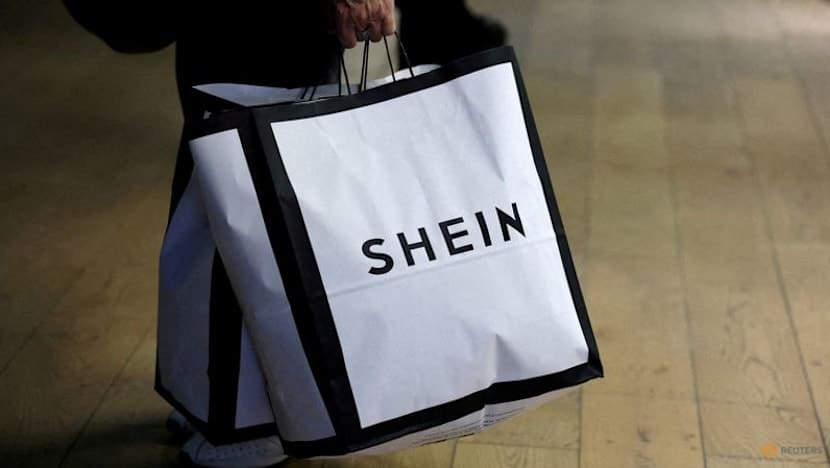
- ·Shein's shares fell 4% on their Hong Kong debut, valuing the company at $25.3 billion, down sharply from a $100 billion peak in 2022.
- ·The end of de minimis duty exemptions in the US and EU has eroded Shein's direct-shipping cost advantage, contributing to a 39% drop in net income last year and a first-quarter loss.
- ·Shein faces ongoing regulatory investigations by the US Federal Trade Commission and European Commission, adding uncertainty as it trades at a premium valuation despite slower growth.
A Subdued Market Reception
Shein opened its first day of trading in Hong Kong on 1 September with shares sliding 4%, settling at HK$46.62 by mid-session after an early dip of as much as 10%. The company priced its initial public offering at HK$48.56, valuing the business at approximately $25.3 billion. That figure represents a steep decline from its 2022 valuation peak of nearly $100 billion, a trajectory that reflects mounting headwinds across its core markets.
The listing closes a four-year effort to take the company public. Founded in China in 2012 and redomiciled to Singapore in late 2021, Shein pursued listings in New York and London before both attempts stalled. Chinese regulatory authorities ultimately blocked those plans, prompting the pivot to Hong Kong.
Investor appetite during the IPO process proved tepid compared to recent high-profile offerings in artificial intelligence and robotics. The retail tranche was subscribed 5.63 times, and the international portion 2.59 times. For context, some Hong Kong listings have attracted oversubscription levels in the hundreds of times, particularly among the city's active retail investor base.
Cornerstone Support Despite Growth Concerns
Despite weaker demand, the IPO secured backing from prominent institutional investors. Willett Advisors, the family office of billionaire Michael Bloomberg, participated alongside French entrepreneur Xavier Niel and Microsoft, according to a filing. Indian conglomerate Reliance Industries, controlled by Mukesh Ambani, increased its stake, while Marcelo Claure's Claure Group and the SoftBank Vision Fund also invested.
Cornerstone investors took roughly one-fifth of the IPO and face a six-month lock-up period. The offering itself represents about 6.6% of Shein's enlarged share capital, leaving approximately 5% of shares freely tradeable at launch.
Chief Financial Officer Leigh Gui spoke briefly at the opening gong ceremony, emphasising the company's commitment to supply chain optimisation. Founder and CEO Sky Xu, known for avoiding public appearances, attended but declined to respond to questions.
Tariff Changes Erode Competitive Edge
Shein built its business model around direct-shipping low-cost apparel to consumers, leveraging duty exemptions that allowed packages valued under $800 to enter the United States tariff-free. That advantage evaporated when Washington ended the de minimis exemption last year. The European Union followed with its own fees on low-value parcels, further pressuring margins.
The impact has been tangible. Shein reported a 39% decline in net income for 2025 and swung to a loss in the first quarter of 2026. The company has indicated that operating profit margin for the first half of this year will likely fall below the first quarter level, driven by higher customs duties, tariffs, fees, and logistics expenses in Europe and the Middle East.
Daily active users in Europe have dropped approximately 45% since the EU eliminated its duty exemption on small parcels. The shift has affected not only Shein but also rivals operating similar cross-border models, signalling a broader recalibration in the e-commerce sector.
Regulatory Scrutiny on Multiple Fronts
Regulatory challenges add another layer of uncertainty. Shein has disclosed an ongoing US Federal Trade Commission investigation into consumer protection matters, which could result in significant financial penalties. In Europe, the European Commission is examining the company's handling of illegal products, the design of its platform for potential addictive features, and the transparency of its recommendation algorithms.
These probes arrive as Shein attempts to diversify beyond ultra-cheap own-label fashion. The company has expanded its third-party marketplace and in May acquired US apparel brand Everlane, signalling a shift toward a broader product mix and higher-margin categories.
Valuation Still Seen as Stretched
Even with the sharp markdown from 2022 levels, analysts question whether the current valuation adequately reflects the company's risk profile. Shein trades at approximately 15 times forward earnings, more than double the multiple of PDD Holdings, the parent company of rival Temu. That premium comes despite slower growth visibility and the regulatory and trade headwinds now facing the business.
The IPO also served a capital-structure purpose. Shein has agreed to cash payments totalling about $3.5 billion and share adjustments to compensate preferred shareholders who invested at significantly higher valuations. For early backers, the listing provides liquidity and a mechanism to reset their positions after years of private-market markdowns.
What Comes Next
Shein's Hong Kong debut underscores the challenges facing cross-border e-commerce platforms that once thrived on regulatory arbitrage and low-cost logistics. The end of de minimis exemptions in the US and EU marks a structural shift, forcing companies to reconsider supply chains, pricing strategies, and market positioning.
For Shein, the path forward involves balancing cost competitiveness with margin preservation, navigating intensifying regulatory scrutiny, and proving to investors that it can sustain growth without the tailwinds that powered its earlier expansion. The muted market reception suggests scepticism remains high, and the company will need to demonstrate operational resilience in a materially changed environment.
RELATED STORIES
Shein Targets $27 Billion Valuation in Hong Kong Debut
Cheng Wei-Lun · 3 min
Shein Targets $27 Billion Valuation in Hong Kong Listing
Cheng Wei-Lun · 3 min
Shein Stumbles in Hong Kong Debut After Years of IPO Delays
Cheng Wei-Lun · 3 min

Private Capital Floods Asia's MedTech Sector as Brain Interfaces and Robotics Draw Investors
Priyanka V. Rao · 4 min
Spot something wrong? Email editor@briefasia.com. We log every correction publicly.